 John Myers
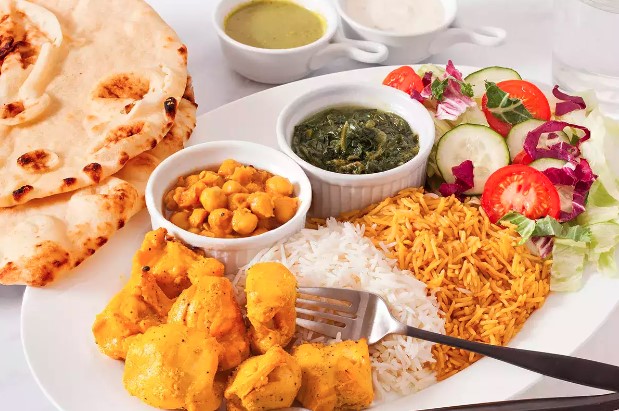
Introduction: Exploring Indian Influences in Afghan Street Food
Afghanistan is a country that lies at the crossroads of several ancient trade routes, connecting the Middle East, Central Asia, and South Asia. As a result, Afghan cuisine has been shaped by various cultural influences, including Indian cuisine. Indian cuisine has a long history of influence in Afghanistan, and this can be seen in the street food that is popularly consumed in the region. In this article, we will explore the historical and cultural connection between India and Afghanistan, the role of spices in Afghan street food, popular Indian-influenced street foods in Afghanistan, and the future of Indian-influenced street food in the country.
The Historical and Cultural Connection between India and Afghanistan
India and Afghanistan have a long history of cultural exchange, dating back to the time of the Silk Road. The region has been influenced by Indian culture and religion for centuries, with Buddhism and Hinduism being prominent religions in Afghanistan until the arrival of Islam in the 7th century. The Mughal Empire, which ruled India from the 16th to the 19th century, also had a significant impact on Afghanistan, with many Mughal emperors and their armies travelling through the region. As a result, Indian spices, ingredients, and cooking techniques have been incorporated into Afghan cuisine, particularly in street food.
The Role of Spices in Afghan Street Food
Spices play a crucial role in Afghan street food, and Indian spices are commonly used to give the dishes a rich and complex flavour. Some of the most commonly used Indian spices in Afghan cuisine include cumin, coriander, turmeric, and cardamom. These spices are used in various dishes, such as kebabs, curries, and biryanis, and they give the food a distinctive aroma and flavour. Afghan street food vendors often use a combination of spices to create a unique flavour profile for their dishes.
Popular Indian-Influenced Street Foods in Afghanistan
There are several popular Indian-influenced street foods in Afghanistan that reflect the country’s cultural connection with India. One such dish is the samosa, which is a deep-fried pastry filled with spiced vegetables or meat. Another popular dish is the kebab, which is made from minced meat that is flavoured with spices and grilled on skewers. The biryani is also a well-loved dish in Afghanistan, which is a spiced rice dish that is often served with meat or vegetables. These dishes are commonly found in street food markets and bazaars across Afghanistan.
The Future of Indian-Influenced Street Food in Afghanistan
As Afghanistan becomes more connected to the global community, the future of Indian-influenced street food in the country is likely to continue to evolve. With increasing access to international ingredients and cooking techniques, Afghan street food vendors may incorporate more diverse flavours and ingredients into their dishes. However, the influence of Indian cuisine on Afghan street food is likely to remain strong, as it reflects the country’s historical and cultural connection with India.
Conclusion: The Delicious Blend of Indian and Afghan Cuisines
In conclusion, Indian cuisine has had a significant impact on Afghan street food, with Indian spices, ingredients, and cooking techniques being incorporated into many popular dishes. The historical and cultural connection between India and Afghanistan has shaped the country’s cuisine, and this can be seen in the delicious blend of flavours found in Afghan street food. As Afghanistan continues to evolve, the future of Indian-influenced street food in the country is likely to continue to reflect the country’s rich cultural heritage.


Facebook Comments