 John Myers
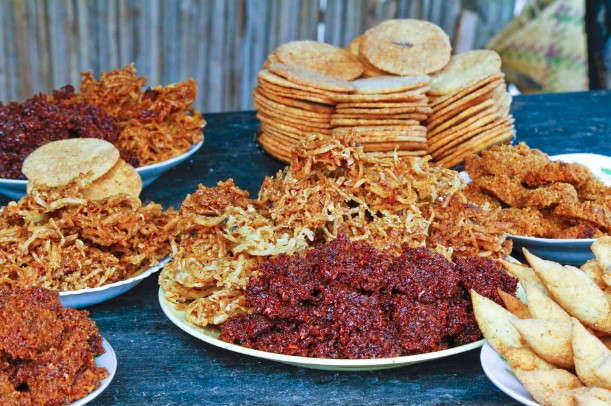
Introduction: The Flavors of Madagascar
Madagascar, an island nation located off the southeast coast of Africa, boasts a rich culinary heritage that is as diverse as its culture. The cuisine of Madagascar is a fusion of African, Indian, and Southeast Asian flavors that are blended together to create a unique and delicious culinary experience.
One of the hallmarks of Madagascar cuisine is its use of spices, which play a prominent role in many of the country’s dishes. Some of the most commonly used spices in Malagasy cooking include ginger, garlic, turmeric, cinnamon, and cardamom.
The Wonders of Grilling and Roasting in Malagasy Cuisine
Grilling and roasting are two traditional cooking methods that are widely used in Malagasy cuisine. Grilling is often done over an open flame, using charcoal or wood as a fuel source. This method is particularly popular for cooking meat, such as chicken, pork, and beef.
Roasting, on the other hand, involves cooking food in an oven or over a fire, without the use of liquid. This method is often used for vegetables, such as sweet potatoes, cassava, and yams. Roasting brings out the natural sweetness and flavor of the vegetables, making them a delicious addition to any Malagasy meal.
Cooking with the Earth: The Art of Pit Cooking in Madagascar
Pit cooking is a traditional cooking method that is still used in many parts of Madagascar today. This method involves digging a pit in the ground, lining it with stones or banana leaves, and heating it with hot coals. Food, such as meat, fish, or vegetables, is then placed in the pit and covered with more leaves or stones before being left to cook.
Pit cooking is a slow and gentle method of cooking that allows the food to retain its natural flavors and juices. This method is often used for large gatherings, such as weddings or other celebrations, and is a great way to feed a crowd.
Steaming, Boiling, and Stewing: The Secret to Succulent Malagasy Dishes
Steaming, boiling, and stewing are other traditional cooking methods that are commonly used in Madagascar cuisine. These methods are often used for cooking rice, which is a staple food in Malagasy cuisine, as well as for preparing various stews and soups.
Steaming involves cooking food with steam, while boiling involves cooking food in liquid. Stewing, on the other hand, involves cooking food in a liquid for an extended period of time. These methods are particularly effective for cooking tough cuts of meat, as they help to break down the fibers and make the meat tender and succulent.
Preserving Flavors: The Role of Smoking and Fermenting in Madagascar Cuisine
Smoking and fermenting are two traditional methods of preserving food that are still used in Madagascar today. Smoking involves exposing food to smoke from burning wood or other materials, which helps to preserve it and give it a smoky flavor.
Fermenting, on the other hand, involves breaking down food using bacteria or yeast, which can help to preserve it and give it a unique flavor. One of the most famous examples of fermented food in Madagascar cuisine is the dish known as “romazava,” which is a stew made from fermented cassava leaves.
Conclusion: Embrace the Culinary Traditions of Madagascar
Madagascar cuisine is a rich and diverse culinary tradition that is full of unique flavors and cooking methods. From grilling and roasting, to pit cooking and steaming, traditional cooking methods are still an integral part of Malagasy cuisine today. By embracing these culinary traditions, you can experience the true flavors of Madagascar and discover a whole new world of delicious cuisine.


Facebook Comments