 Robert Zelesky
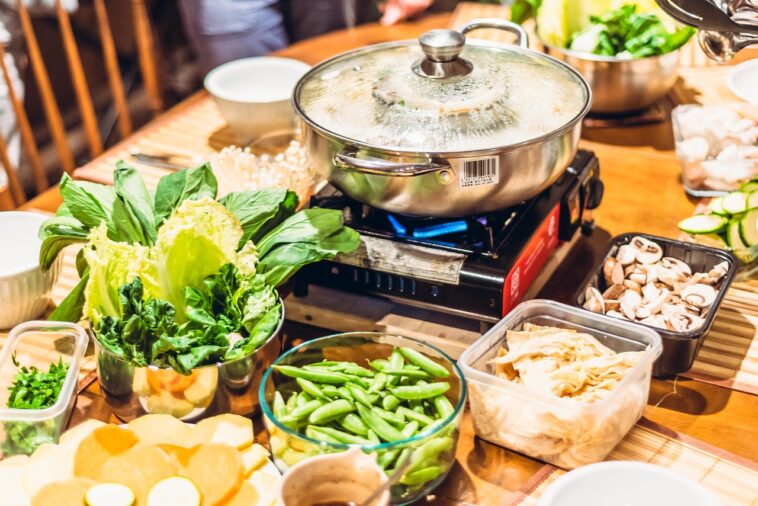
Hot Pot, known as 火锅 (huǒ guō) in Mandarin, is a beloved culinary tradition in China that has spread globally, captivating food enthusiasts with its interactive and communal dining experience. Originating from ancient Mongolian cuisine, Hot Pot has evolved into various regional styles across China, each offering a unique blend of flavors and ingredients. This article explores the essence of Hot Pot, its cultural significance, and provides a detailed guide on how to set up and enjoy a Hot Pot meal at home.
Understanding Hot Pot
Hot Pot is more than just a meal; it embodies the spirit of communal dining and the art of leisurely enjoyment. The concept revolves around a simmering pot of flavored broth, placed at the center of the dining table, where diners cook a variety of fresh ingredients such as thinly sliced meat, seafood, vegetables, and noodles. Each diner customizes their dipping sauces to complement the cooked ingredients, making Hot Pot a personalized dining experience.
Regional Variations
1. Sichuan Hot Pot (麻辣火锅 – Má là huǒ guō)
Known for its fiery and numbing flavors, Sichuan Hot Pot features a broth infused with Sichuan peppercorns and chili peppers. It offers a bold and spicy experience, often accompanied by a wide selection of dipping sauces that range from sesame paste to garlic and soy.
2. Cantonese Hot Pot (广东火锅 – Guǎngdōng huǒ guō)
Cantonese Hot Pot emphasizes the natural flavors of fresh ingredients. The broth tends to be clear and mild, allowing the natural sweetness of seafood and meats to shine. Popular dipping sauces include soy sauce with minced garlic and chili oil.
3. Mongolian Hot Pot (蒙古火锅 – Měnggǔ huǒ guō)
Originating from Mongolia, this style often features lamb as a primary protein, cooked in a hearty and aromatic broth. Mongolian Hot Pot is known for its rich, savory flavors and is traditionally enjoyed during cold winters.
Setting Up a Hot Pot Meal at Home
Ingredients Needed:
- Broth: Choose from ready-made Hot Pot broth bases available in Asian supermarkets or prepare your own using ingredients like chicken stock, aromatics (ginger, garlic, scallions), and optional spices (star anise, cinnamon).
- Proteins: Thinly sliced beef, lamb, pork, chicken, seafood (shrimp, fish balls), and tofu.
- Vegetables: Leafy greens (bok choy, napa cabbage), mushrooms (shiitake, enoki), and root vegetables (potatoes, lotus root).
- Starches: Fresh or dried noodles (udon, glass noodles), and dumplings (wontons, dumplings).
Equipment:
- Hot Pot Base: Electric or gas-powered hot pot with divided compartments for different broth flavors (if desired).
- Cooking Utensils: Long-handled slotted spoons or strainers to retrieve cooked items from the broth.
- Dipping Sauces: Prepare a selection of dipping sauces such as sesame sauce, soy sauce with vinegar, chili oil, and minced garlic.
Steps to Enjoy Hot Pot:
- Prepare the Broth:
- Heat the broth in the hot pot until it comes to a simmer. If using a divided hot pot, you can have different broths on each side to cater to different preferences (spicy vs. mild).
- Cooking Process:
- Place a variety of ingredients into the simmering broth, starting with proteins and firmer vegetables first, followed by delicate items like leafy greens and noodles.
- Cook each item until it reaches desired doneness. Thinly sliced meats and seafood typically cook quickly, while vegetables and noodles may take a bit longer.
- Dipping Sauces:
- While ingredients cook, prepare dipping sauces by combining preferred ingredients like soy sauce, sesame paste, minced garlic, and chili oil. Customize the flavors according to personal taste.
- Assembly and Enjoyment:
- Retrieve cooked items from the broth using slotted spoons or strainers, dip them into the prepared sauces, and savor the harmonious blend of flavors and textures.
- Continue adding ingredients to the broth and enjoying them throughout the meal, creating a delightful and interactive dining experience with family and friends.
Conclusion
Hot Pot transcends mere dining; it is an immersive culinary journey that celebrates community, tradition, and the joy of sharing a meal. Whether enjoyed in a bustling restaurant or recreated at home, Hot Pot offers a delightful way to explore Chinese cuisine’s diversity and richness. By following this guide, you can embark on your own Hot Pot adventure, discovering the flavors and customs that have made this centuries-old tradition a beloved culinary experience worldwide.

Facebook Comments