 Robert Zelesky
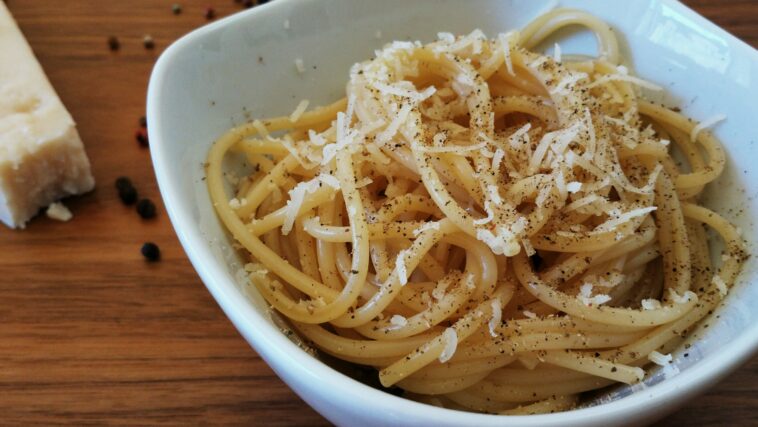
Cacio e Pepe is a quintessential Roman pasta dish that celebrates the simplicity and purity of Italian cuisine. The name “Cacio e Pepe” translates to “cheese and pepper,” which perfectly encapsulates the essence of this dish. Made with just a few ingredients, Cacio e Pepe relies on the quality of its components and the technique used to create a creamy, peppery sauce that clings to every strand of pasta. In this article, we will explore the history of Cacio e Pepe, its unique characteristics, and provide a detailed recipe for making this iconic dish at home.
The History of Cacio e Pepe
Cacio e Pepe has its roots in the pastoral traditions of central Italy, particularly the Lazio region, where shepherds would carry dried pasta, aged cheese, and black pepper with them during their long journeys. These ingredients were chosen for their long shelf life and portability, making them ideal for sustenance on the road. The shepherds would cook the pasta and create a sauce by combining the grated cheese and freshly cracked pepper, resulting in a dish that was both simple and satisfying.
Over time, Cacio e Pepe evolved from a humble shepherd’s meal into a beloved Roman classic that is now enjoyed in trattorias and fine dining establishments alike. Despite its rustic origins, the dish’s simplicity and elegance have made it a favorite among pasta lovers worldwide.
Unique Characteristics of Cacio e Pepe
The beauty of Cacio e Pepe lies in its simplicity. The dish is traditionally made with just three primary ingredients: pasta, Pecorino Romano cheese, and black pepper. The key to a successful Cacio e Pepe is in the technique used to create a creamy, emulsified sauce without the addition of butter or cream.
Pasta: While various pasta shapes can be used, long, thin strands like spaghetti, tonnarelli, or bucatini are most commonly used for Cacio e Pepe. The pasta’s surface area helps capture the sauce, ensuring every bite is coated with the cheesy, peppery goodness.
Pecorino Romano: This aged sheep’s milk cheese is essential for authentic Cacio e Pepe. Its sharp, salty flavor and crumbly texture are perfect for creating the creamy sauce that defines the dish.
Black Pepper: Freshly cracked black pepper is a crucial element, providing a spicy contrast to the rich cheese. The pepper should be coarsely ground to release its full flavor and aroma.
Nutritional Benefits
Cacio e Pepe is a carb-heavy dish, but it also offers some nutritional benefits. Pecorino Romano cheese is a good source of calcium and protein, essential for bone health and muscle maintenance. Black pepper contains antioxidants and has anti-inflammatory properties. While it’s important to enjoy Cacio e Pepe in moderation due to its calorie density, it can be part of a balanced diet when paired with a fresh salad or vegetables.
Recipe: Cacio e Pepe
Ingredients:
- 12 ounces (340 grams) spaghetti or tonnarelli
- 1 1/2 cups (150 grams) freshly grated Pecorino Romano cheese
- 2 teaspoons coarsely ground black pepper
- Salt, for pasta water
Instructions:
- Prepare the Pasta:
- Bring a large pot of water to a boil. Add a generous amount of salt to the boiling water (about 1-2 tablespoons). The pasta water should be as salty as the sea.
- Add the pasta to the boiling water and cook until just shy of al dente, according to the package instructions. Reserve about 1 cup of the pasta cooking water before draining the pasta.
- Toast the Black Pepper:
- While the pasta is cooking, heat a large skillet over medium heat. Add the coarsely ground black pepper and toast it for about 1-2 minutes until fragrant. Be careful not to burn the pepper.
- Create the Sauce:
- Once the pasta is done, add about 1/2 cup of the reserved pasta cooking water to the skillet with the toasted black pepper. The water should sizzle and bubble up, helping to bloom the pepper’s flavor.
- Reduce the heat to low and add the cooked pasta to the skillet, tossing it with the pepper-infused water to coat evenly.
- Add the Cheese:
- Gradually sprinkle the grated Pecorino Romano cheese over the pasta, tossing constantly to combine. Add more reserved pasta water as needed to create a smooth, creamy sauce that clings to the pasta. The key is to add the cheese and water in increments, ensuring the cheese melts and emulsifies into a sauce rather than clumping.
- Finish and Serve:
- Continue to toss the pasta until the sauce is creamy and the pasta is well-coated. The dish should be glossy and silky, with the cheese and pepper evenly distributed.
- Taste and adjust the seasoning if necessary. You may not need additional salt, as the cheese is quite salty.
- Serve the Cacio e Pepe immediately, garnished with extra grated Pecorino Romano and a sprinkle of freshly cracked black pepper if desired.
Tips for Perfect Cacio e Pepe
- Use Freshly Grated Cheese: Pre-grated cheese often contains anti-caking agents that can prevent it from melting smoothly. Grate your Pecorino Romano fresh for the best results.
- Control the Heat: When combining the pasta, cheese, and water, keep the heat low to prevent the cheese from clumping or becoming stringy.
- Pasta Water Magic: The starchy pasta water is crucial for creating a smooth sauce. Be sure to reserve enough before draining the pasta.
- Timing is Key: Cacio e Pepe is best served immediately after preparation, while the sauce is still creamy and the pasta is hot.
Serving Suggestions
Cacio e Pepe is a versatile dish that can be enjoyed on its own or paired with a variety of sides to create a complete meal:
- Green Salad: A simple green salad with a light vinaigrette provides a fresh contrast to the rich pasta.
- Roasted Vegetables: Roasted or sautéed vegetables like asparagus, zucchini, or broccoli add a nutritious element to the meal.
- Wine Pairing: A crisp, dry white wine like Pinot Grigio or a light red like Chianti complements the flavors of Cacio e Pepe beautifully.
Conclusion
Cacio e Pepe is a testament to the beauty of simplicity in Italian cuisine. With just a few high-quality ingredients and a bit of technique, you can create a dish that is both elegant and comforting. Whether enjoyed as a quick weeknight dinner or as part of a more elaborate Italian feast, Cacio e Pepe is sure to delight your taste buds and impress your guests. So gather your ingredients, take your time with the process, and savor the magic of this timeless Roman classic. Buon appetito!



Facebook Comments