 Robert Zelesky
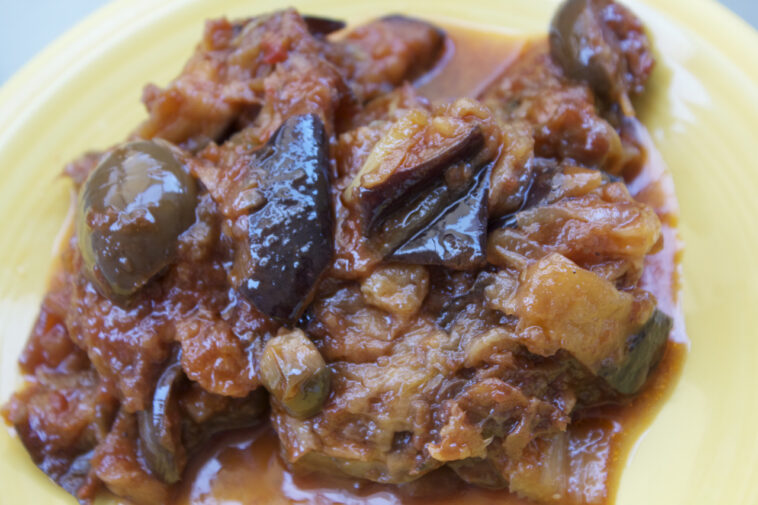
Caponata is a traditional Sicilian dish renowned for its rich flavors, combining sweet and sour elements in a harmonious medley of vegetables. Originating from the island of Sicily, Italy, Caponata has deep roots in Mediterranean cuisine, showcasing the region’s abundant produce and culinary creativity. Join us as we explore the history, ingredients, preparation, and cultural significance of Caponata, and learn how to prepare this iconic Sicilian dish step-by-step.
Origins and History
Caponata’s origins date back centuries to Sicily, where it was originally created as a way to preserve vegetables during the harvest season. The name “caponata” is believed to have Arabic roots, possibly deriving from the Arabic word “qapāh” meaning stew or dish. Over time, Caponata evolved into a beloved dish enjoyed year-round, featuring a combination of eggplant, tomatoes, celery, capers, and olives simmered in a sweet and sour sauce. Today, Caponata remains a staple in Sicilian cuisine, celebrated for its robust flavors and versatility.
Ingredients
For the Caponata:
- 2 medium eggplants, diced into 1-inch cubes
- Salt
- 1/4 cup olive oil, plus extra for frying
- 1 onion, finely chopped
- 2 celery stalks, diced
- 1 red bell pepper, diced
- 1 can (14 oz) diced tomatoes
- 1/4 cup red wine vinegar
- 2 tablespoons sugar
- 1/4 cup green olives, sliced
- 2 tablespoons capers, rinsed
- 1/4 cup toasted pine nuts (optional)
- Fresh basil leaves, chopped (for garnish)
Instructions
- Prepare the Eggplant:
- Place the diced eggplant in a colander and sprinkle generously with salt. Let it sit for 20-30 minutes to draw out bitterness. Rinse thoroughly and pat dry with paper towels.
- Fry the Eggplant:
- In a large skillet, heat olive oil over medium-high heat. Fry the eggplant in batches until golden brown and tender, adding more oil as needed. Remove with a slotted spoon and drain on paper towels.
- Prepare the Sauce:
- In the same skillet, heat 1/4 cup of olive oil over medium heat. Add chopped onion, diced celery, and red bell pepper. Sauté until softened, about 5-7 minutes.
- Simmer the Caponata:
- Stir in diced tomatoes, red wine vinegar, and sugar. Bring to a simmer and cook for 10-15 minutes, allowing the flavors to meld and the sauce to thicken slightly.
- Add fried eggplant, sliced green olives, and rinsed capers to the skillet. Stir gently to combine and simmer for an additional 5-7 minutes.
- Finish and Serve:
- Remove from heat and let the Caponata cool to room temperature.
- Stir in toasted pine nuts (if using) for added texture and flavor.
- Transfer Caponata to a serving dish and garnish with chopped fresh basil leaves.
Tips for Perfect Caponata
- Eggplant Preparation: Salting the eggplant helps draw out excess moisture and bitterness, ensuring a tender and flavorful result when fried.
- Flavor Enhancement: Adjust the balance of sweet and sour by varying the amount of sugar and vinegar according to your taste preference.
- Storage: Caponata tastes even better the next day after flavors have had time to meld. Store leftovers in the refrigerator in an airtight container for up to 3-4 days.
Cultural Significance
Caponata holds a special place in Sicilian cuisine, embodying the region’s culinary heritage and agricultural abundance. It is often served as an appetizer, side dish, or even a main course, accompanied by crusty bread or as a topping for grilled fish or meats. The sweet and sour profile of Caponata reflects Sicily’s historical influences from Arab, Spanish, and Mediterranean cuisines, showcasing a blend of flavors that captivates the palate and celebrates local ingredients.
Conclusion
Caponata is more than just a dish—it’s a culinary journey through Sicily’s vibrant flavors and cultural heritage. With its sweet and sour taste, tender eggplant, and savory accents of olives and capers, Caponata offers a taste of Mediterranean sunshine in every bite. Prepare this Sicilian classic at home to savor the richness of its flavors and share in the joy of Italian cooking with family and friends. Whether enjoyed as part of a leisurely meal or a festive gathering, Caponata promises to delight and inspire with its timeless appeal and delicious versatility.


Facebook Comments