 Robert Zelesky
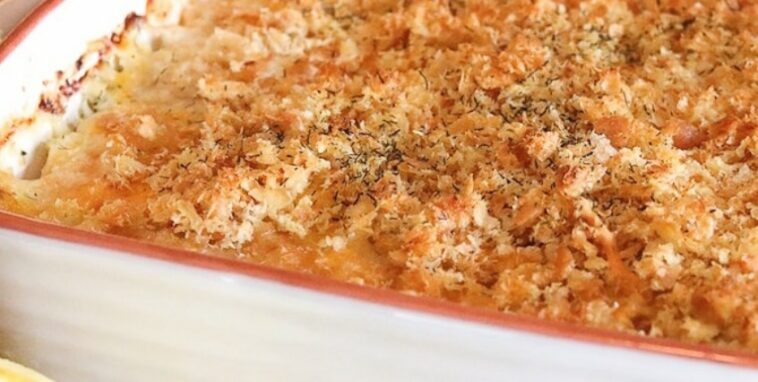
Newfoundland, with its rugged coastline and deep maritime heritage, offers a rich culinary tradition deeply rooted in its abundant seafood resources. Among the many iconic dishes of the region, Newfoundland Cod au Gratin stands out as a comforting and satisfying meal that combines the delicate flavors of cod with a creamy, cheesy sauce. In this article, we delve into the history of Cod au Gratin, explore the cultural significance of cod in Newfoundland cuisine, and provide a detailed recipe to recreate this beloved dish at home.
The Cultural Significance of Cod in Newfoundland Cuisine
Cod has been a staple in Newfoundland’s diet for centuries, dating back to the days of early European settlers and indigenous peoples who relied on its abundance in the North Atlantic waters. Known as the “fish that built the nation,” cod played a crucial role in shaping Newfoundland’s economy and culture, earning it a place of honor in local cuisine. Newfoundlanders have perfected various ways to prepare cod, from traditional salted fish dishes to more contemporary recipes like Cod au Gratin, which showcases the versatility and delicate flavor of this beloved seafood.
Cod au Gratin: A Comforting Dish from the Sea
Cod au Gratin is a classic Newfoundland dish that combines flaky cod fillets with a creamy, cheesy sauce, often topped with breadcrumbs for a crispy finish. The dish is hearty and satisfying, making it a favorite among locals and visitors alike, especially during the cold winter months when comfort food reigns supreme. The combination of tender cod, rich sauce, and golden topping creates a harmonious blend of flavors and textures that celebrate Newfoundland’s maritime bounty.
Recipe: Newfoundland Cod au Gratin
Ingredients:
- 1 1/2 pounds fresh cod fillets, skinless and boneless
- Salt and freshly ground black pepper, to taste
- 2 tablespoons butter
- 2 tablespoons all-purpose flour
- 1 1/2 cups milk
- 1 cup shredded cheddar cheese
- 1/2 cup grated Parmesan cheese
- 1/2 cup breadcrumbs
- Fresh parsley, chopped, for garnish
Instructions:
- Preheat the Oven:
- Preheat your oven to 375°F (190°C). Grease a baking dish with butter or cooking spray.
- Prepare the Cod:
- Pat the cod fillets dry with paper towels and season both sides with salt and freshly ground black pepper.
- Arrange the cod fillets in a single layer in the prepared baking dish.
- Make the Cheese Sauce:
- In a medium saucepan, melt butter over medium heat.
- Stir in flour and cook for 1-2 minutes, stirring constantly, to make a roux.
- Gradually whisk in milk, stirring constantly until the sauce thickens and comes to a gentle boil.
- Reduce heat to low and stir in shredded cheddar cheese and half of the Parmesan cheese until melted and smooth. Season with salt and pepper to taste.
- Assemble and Bake:
- Pour the cheese sauce evenly over the cod fillets in the baking dish.
- In a small bowl, combine the remaining Parmesan cheese and breadcrumbs. Sprinkle the breadcrumb mixture evenly over the top of the sauce.
- Bake the Cod au Gratin:
- Bake in the preheated oven for 20-25 minutes, or until the cod is cooked through and flakes easily with a fork, and the topping is golden brown and crispy.
- Serve:
- Remove from the oven and let the Cod au Gratin rest for a few minutes.
- Garnish with chopped fresh parsley before serving.
Pairing Suggestions
Newfoundland Cod au Gratin pairs wonderfully with a variety of sides that complement its rich flavors. Consider serving it with steamed vegetables, roasted potatoes, or a fresh green salad dressed with a light vinaigrette. A glass of crisp white wine or a local beer enhances the dining experience, accentuating the flavors of the cod and cheese sauce.
Conclusion
Newfoundland Cod au Gratin epitomizes the hearty and comforting cuisine of Canada’s eastern coast, offering a taste of maritime tradition and culinary innovation in every bite. Whether enjoyed as a main course for a family dinner or served at a festive gathering, Cod au Gratin celebrates the rich heritage and abundant seafood resources of Newfoundland. Embrace the flavors of the sea with this recipe and savor the warmth and hospitality of Newfoundland’s culinary traditions.


Facebook Comments