 Robert Zelesky
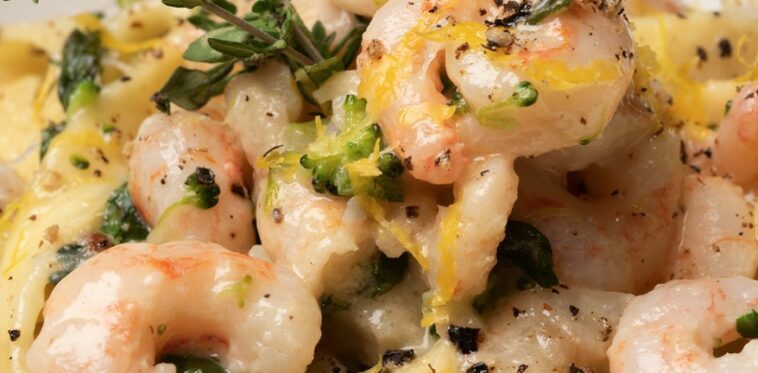
Atlantic Canada, with its rugged coastline and bountiful waters, offers some of the finest seafood in the world. This region, comprising Newfoundland and Labrador, Prince Edward Island, Nova Scotia, and New Brunswick, is renowned for its fresh and diverse seafood. One dish that beautifully showcases this oceanic bounty is Atlantic Canada Seafood Linguine. This pasta dish, rich in flavor and brimming with fresh seafood, is a culinary celebration of the Atlantic’s offerings. In this article, we’ll delve into the history, ingredients, and step-by-step preparation of Atlantic Canada Seafood Linguine.
History and Cultural Significance
The cuisine of Atlantic Canada has been shaped by its maritime heritage. The region’s proximity to the Atlantic Ocean has made seafood a central element of its culinary traditions. Fishing has long been a way of life for many communities, and the seafood harvested from these waters is integral to the local diet. Lobster, scallops, mussels, clams, and various fish species are staples in the kitchens of Atlantic Canada.
Seafood linguine, though often associated with Italian cuisine, has found a special place in Atlantic Canadian cooking. The combination of fresh, local seafood with pasta creates a dish that is both comforting and sophisticated. This dish not only highlights the quality of the seafood but also incorporates the rich, creamy flavors that are popular in the region.
Ingredients
To make Atlantic Canada Seafood Linguine, you will need the following ingredients:
- 12 ounces linguine
- 2 tablespoons olive oil
- 4 cloves garlic, minced
- 1 small onion, finely chopped
- 1/2 cup dry white wine
- 1 cup heavy cream
- 1 cup fish or seafood stock
- 1/2 teaspoon red pepper flakes (optional)
- 1 pound fresh Atlantic shrimp, peeled and deveined
- 1 pound fresh scallops
- 1 pound fresh mussels, cleaned and debearded
- 1/2 pound fresh clams, cleaned
- 1/2 pound lobster meat, chopped (optional)
- 1/4 cup fresh parsley, chopped
- 1/4 cup grated Parmesan cheese
- Salt and pepper, to taste
- Lemon wedges, for serving
Instructions
- Prepare the Seafood:
- Clean and prep all seafood. Ensure shrimp are peeled and deveined, scallops are patted dry, and mussels and clams are cleaned and debearded. If using lobster, chop the meat into bite-sized pieces.
- Cook the Pasta:
- Bring a large pot of salted water to a boil. Add the linguine and cook according to the package instructions until al dente. Drain the pasta and set aside, reserving a cup of the pasta cooking water.
- Sauté the Aromatics:
- In a large, deep skillet or sauté pan, heat the olive oil over medium heat. Add the minced garlic and finely chopped onion, and sauté until the onion is translucent and the garlic is fragrant, about 3-4 minutes.
- Deglaze the Pan:
- Pour in the dry white wine, scraping up any browned bits from the bottom of the pan. Let the wine simmer for a few minutes until it reduces slightly.
- Add the Cream and Stock:
- Stir in the heavy cream and fish or seafood stock. Add the red pepper flakes, if using. Bring the mixture to a gentle simmer, allowing it to thicken slightly.
- Cook the Seafood:
- Add the shrimp, scallops, mussels, clams, and lobster meat to the pan. Cover and cook for 5-7 minutes, or until the mussels and clams have opened and the shrimp and scallops are cooked through. Discard any mussels or clams that do not open.
- Combine with Pasta:
- Add the cooked linguine to the pan, tossing to coat the pasta with the sauce. If the sauce is too thick, add a bit of the reserved pasta cooking water to reach the desired consistency.
- Season and Serve:
- Season the dish with salt and pepper to taste. Stir in the chopped fresh parsley and grated Parmesan cheese. Serve immediately with lemon wedges on the side.
Enjoying Atlantic Canada Seafood Linguine
Atlantic Canada Seafood Linguine is best enjoyed fresh, allowing the flavors of the seafood and creamy sauce to meld together beautifully. The dish pairs wonderfully with a crisp white wine, such as a Sauvignon Blanc or Chardonnay, which complements the rich flavors of the seafood.
This dish is perfect for a special occasion, a cozy dinner with family and friends, or any time you want to bring the taste of the Atlantic Ocean to your table. The combination of fresh, local seafood with pasta and a creamy sauce creates a meal that is both indulgent and satisfying.
Tips for Preparing Seafood Linguine
- Freshness Matters: Use the freshest seafood available for the best flavor. If fresh seafood is not available, high-quality frozen seafood can be a good substitute.
- Variety: Feel free to use a mix of your favorite seafood. The recipe is versatile and can accommodate different types of seafood based on availability and preference.
- Pasta Cooking Water: Reserve some of the pasta cooking water to adjust the consistency of the sauce. The starchy water helps to bind the sauce to the pasta.
- Herbs and Spices: Customize the dish with additional herbs and spices. Fresh basil, thyme, or oregano can add a unique flavor twist.
Conclusion
Atlantic Canada Seafood Linguine is a culinary masterpiece that showcases the rich maritime heritage and bountiful seafood of the region. This dish brings together the best of the Atlantic Ocean’s offerings, creating a meal that is both elegant and comforting.
Whether you’re a seafood enthusiast or simply looking to try something new, this seafood linguine recipe is sure to impress. By following the steps outlined above, you can create a delicious and memorable dish that captures the essence of Atlantic Canadian cuisine.
So gather your ingredients, follow the recipe, and enjoy a taste of the ocean with Atlantic Canada Seafood Linguine—a true celebration of the region’s culinary traditions and natural bounty.



Facebook Comments