 Robert Zelesky
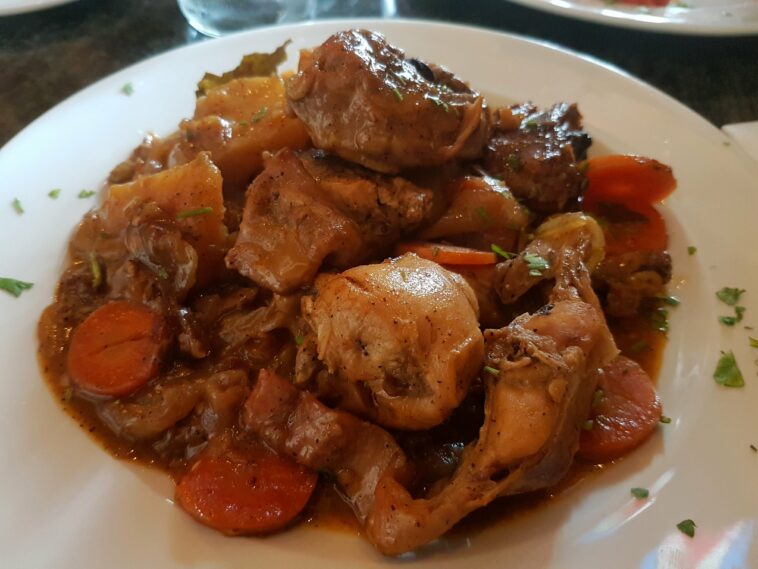
Ontario Rabbit Stew is a dish that embodies the rich culinary traditions of the province. Known for its hearty, rustic flavors and nourishing qualities, this stew has been a favorite among locals for generations. Utilizing local ingredients and traditional cooking methods, this recipe is a perfect way to enjoy the unique taste of rabbit, a lean and flavorful meat. In this article, we’ll explore the history and cultural significance of rabbit stew in Ontario and provide a detailed recipe for you to try at home.
The Heritage of Rabbit Stew in Ontario
Rabbit has long been a staple in rural Ontario, valued for its availability and versatility. Historically, rabbits were commonly hunted in the wild, providing a vital source of protein for early settlers and Indigenous peoples. Over time, domesticated rabbit farming became popular, ensuring a steady supply of this nutritious meat. Rabbit stew, with its simple preparation and robust flavors, became a beloved dish, often enjoyed during the colder months for its warming and comforting qualities.
Ingredients for Ontario Rabbit Stew
For the Stew:
- 1 whole rabbit (about 3-4 pounds), cut into pieces
- Salt and freshly ground black pepper, to taste
- 1/4 cup all-purpose flour
- 3 tablespoons vegetable oil or bacon fat
- 1 large onion, finely chopped
- 2 cloves garlic, minced
- 2 carrots, peeled and sliced
- 2 celery stalks, sliced
- 4 cups chicken or vegetable broth
- 1 cup dry red wine
- 2 tablespoons tomato paste
- 2 bay leaves
- 1 teaspoon dried thyme
- 1 teaspoon dried rosemary
- 1/2 teaspoon paprika
- 1/2 teaspoon ground allspice
- 1 cup diced potatoes
- 1 cup fresh or frozen peas
- 1/4 cup chopped fresh parsley, for garnish
Instructions
1. Prepare the Rabbit
- Rinse the rabbit pieces under cold water and pat them dry with paper towels. Season the rabbit generously with salt and freshly ground black pepper.
- Dredge the rabbit pieces in all-purpose flour, shaking off any excess.
2. Brown the Rabbit
- In a large, heavy-bottomed pot or Dutch oven, heat the vegetable oil or bacon fat over medium-high heat.
- Add the rabbit pieces in batches, browning them on all sides until golden. This should take about 4-5 minutes per side. Transfer the browned rabbit pieces to a plate and set aside.
3. Sauté the Aromatics
- In the same pot, add the finely chopped onion and sauté until it becomes translucent, about 5 minutes.
- Add the minced garlic and cook for another 1-2 minutes, until fragrant.
4. Build the Stew
- Stir in the sliced carrots and celery, cooking for 3-4 minutes to soften slightly.
- Add the tomato paste and cook for another 2 minutes, allowing it to caramelize slightly.
- Pour in the dry red wine, scraping up any browned bits from the bottom of the pot. Let the wine simmer for 5 minutes to reduce slightly.
5. Add the Rabbit and Broth
- Return the browned rabbit pieces to the pot.
- Pour in the chicken or vegetable broth, ensuring the rabbit is mostly submerged.
- Add the bay leaves, dried thyme, dried rosemary, paprika, and ground allspice. Stir well to combine.
6. Simmer the Stew
- Bring the stew to a gentle boil, then reduce the heat to low. Cover the pot and let it simmer for 1.5 to 2 hours, or until the rabbit is tender and the flavors have melded together.
7. Add the Vegetables
- About 30 minutes before serving, add the diced potatoes to the pot. Continue to simmer until the potatoes are tender.
- Stir in the fresh or frozen peas during the last 10 minutes of cooking.
8. Finish and Serve
- Remove the bay leaves and discard them.
- Taste the stew and adjust the seasoning with salt and pepper as needed.
- Ladle the rabbit stew into bowls and garnish with chopped fresh parsley.
Tips for the Perfect Rabbit Stew
- Choose Fresh Rabbit: For the best flavor, use fresh rabbit from a reputable source. If fresh rabbit is not available, frozen rabbit can be used, but make sure to thaw it thoroughly before cooking.
- Browning is Key: Properly browning the rabbit pieces adds depth of flavor to the stew. Be patient and brown the meat in batches to avoid overcrowding the pot.
- Simmer Slowly: Slow simmering allows the flavors to develop and the rabbit to become tender. Avoid boiling the stew, as this can make the meat tough.
The Cultural Significance of Rabbit Stew
Rabbit stew holds a special place in Ontario’s culinary landscape. It’s a dish that reflects the province’s rural heritage and the resourcefulness of its people. This stew is often prepared for family gatherings, holidays, and special occasions, symbolizing warmth, comfort, and tradition. The use of local ingredients and time-honored cooking methods makes rabbit stew a true representation of Ontario’s food culture.
Conclusion
Ontario Rabbit Stew is a delicious and comforting dish that brings together the best of local ingredients and traditional cooking techniques. By following this recipe, you can enjoy the rich flavors and hearty texture of this classic stew, celebrating the culinary heritage of Ontario. Whether you’re a longtime resident or new to the region, this rabbit stew is a wonderful way to connect with the province’s food traditions and savor a meal that has been cherished for generations. Enjoy this hearty, flavorful stew and experience the taste of Ontario’s culinary history.


Facebook Comments