 Robert Zelesky
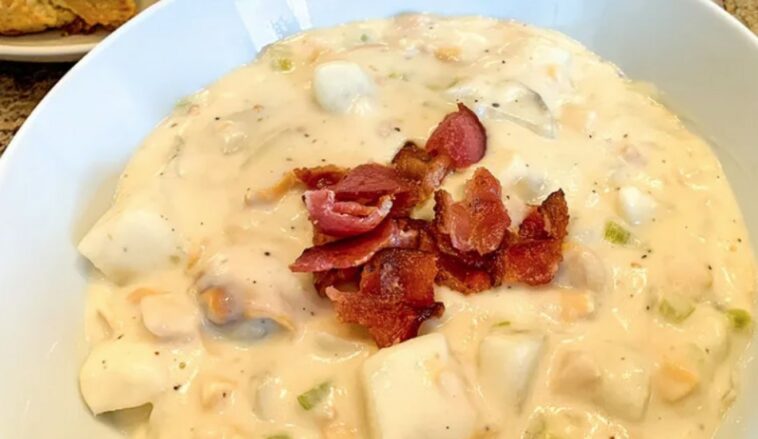
Maritime Clam Chowder, originating from Canada’s Maritime provinces of Nova Scotia, New Brunswick, and Prince Edward Island, is a hearty and comforting soup celebrated for its rich flavors and abundance of fresh seafood. This chowder reflects the region’s deep connection to the Atlantic Ocean, where clams are plentiful and seafood is a way of life. In this article, we’ll delve into the history of Maritime Clam Chowder, explore its key ingredients, discuss its culinary significance, and provide you with a detailed recipe to recreate this beloved dish at home.
The History and Significance of Maritime Clam Chowder
Maritime Clam Chowder holds a special place in the culinary traditions of Canada’s Maritime provinces. With a history rooted in the region’s maritime heritage, this chowder was traditionally prepared by fishermen and coastal communities using locally sourced ingredients, particularly fresh clams harvested from the Atlantic shores. Over time, Maritime Clam Chowder has evolved into a beloved dish enjoyed by locals and visitors alike, showcasing the region’s commitment to sustainable seafood practices and culinary excellence.
Key Ingredients in Maritime Clam Chowder
Maritime Clam Chowder typically features a medley of ingredients that contribute to its robust flavor and creamy texture:
- Fresh Clams: The heart of Maritime Clam Chowder lies in fresh clams, harvested locally from the Atlantic Ocean. Clams are prized for their briny-sweet flavor and tender texture, adding depth to the chowder.
- Potatoes: Potatoes, often diced into hearty chunks, provide a comforting and satisfying element to the chowder, enhancing its texture and richness.
- Aromatic Vegetables: Onions, celery, and sometimes carrots are sautéed to create a flavorful base for the chowder, imparting a savory sweetness to the dish.
- Cream or Milk: A creamy base, typically made with heavy cream or milk, adds smoothness and richness to the chowder, balancing the flavors of the seafood and vegetables.
- Herbs and Seasonings: Fresh thyme, bay leaves, salt, and pepper are commonly used to season Maritime Clam Chowder, enhancing its savory profile and aroma.
Culinary Significance of Maritime Clam Chowder
Maritime Clam Chowder exemplifies the Maritime provinces’ dedication to using locally sourced ingredients and preserving culinary traditions. By incorporating fresh seafood and seasonal vegetables into a nourishing soup, this chowder offers a taste of the region’s coastal bounty and cultural heritage. Whether enjoyed on a cold winter’s day or as a comforting meal year-round, Maritime Clam Chowder brings warmth and satisfaction to those who appreciate hearty, homemade soups.
Recipe for Maritime Clam Chowder
Ingredients:
- 2 pounds fresh clams, scrubbed and cleaned
- 4 slices bacon, diced
- 1 onion, finely chopped
- 2 stalks celery, diced
- 2 medium potatoes, peeled and diced
- 2 cups fish or vegetable broth
- 1 cup water
- 1 cup heavy cream
- 2 tablespoons all-purpose flour
- 2 tablespoons butter
- 1 bay leaf
- 1 teaspoon fresh thyme leaves
- Salt and freshly ground black pepper to taste
- Chopped fresh parsley for garnish
Instructions:
- Prepare the Clams:
- In a large pot, bring 1 cup of water to a boil. Add the cleaned clams, cover, and steam for about 5-7 minutes, or until the clams open. Discard any clams that do not open. Remove clams from shells, chop coarsely, and set aside. Strain and reserve the clam cooking liquid.
- Cook the Bacon and Vegetables:
- In a separate large pot or Dutch oven, cook the diced bacon over medium heat until crisp. Remove bacon with a slotted spoon and set aside, leaving the bacon fat in the pot.
- Add the chopped onion and celery to the pot. Cook, stirring occasionally, until softened, about 5 minutes.
- Add Potatoes and Broth:
- Stir in the diced potatoes, bay leaf, and thyme leaves. Pour in the fish or vegetable broth and reserved clam cooking liquid. Bring to a simmer and cook until potatoes are tender, about 10-12 minutes.
- Make the Cream Base:
- In a small saucepan, melt butter over medium heat. Whisk in flour and cook, stirring constantly, for 1-2 minutes until mixture is smooth and bubbly.
- Gradually whisk in heavy cream, stirring until smooth and thickened.
- Combine and Simmer:
- Gradually stir the cream mixture into the pot with the potatoes and broth. Add the chopped clams and reserved bacon. Season with salt and pepper to taste.
- Simmer gently for 5-10 minutes, allowing flavors to meld together. Remove bay leaf before serving.
- Serve:
- Ladle Maritime Clam Chowder into bowls. Garnish with chopped fresh parsley and serve hot, accompanied by crusty bread or oyster crackers.
Tips for Perfect Maritime Clam Chowder
- Choosing Clams: Select fresh clams with tightly closed shells or those that close when tapped. Discard any clams with broken shells or that do not open during cooking.
- Consistency: Adjust the thickness of the chowder by adding more broth or cream according to your preference.
- Flavor Development: Allow the chowder to simmer gently to develop its flavors fully before serving.
Embracing Maritime Cuisine
Maritime Clam Chowder captures the essence of Canada’s Atlantic coast, offering a taste of the sea’s bounty in a comforting and nourishing soup. By following this recipe, you can recreate the flavors and traditions of Maritime cuisine in your own kitchen, savoring the freshness of local clams and the rich flavors of seasonal vegetables. Enjoy Maritime Clam Chowder as a wholesome meal that brings warmth and satisfaction, celebrating the culinary heritage of the Maritime provinces with each delicious spoonful.
Conclusion
Maritime Clam Chowder is more than just a soup; it’s a culinary journey to Canada’s Atlantic coast, where seafood reigns supreme and tradition flavors every dish. By preparing this chowder at home, you can experience the richness and authenticity of Maritime cuisine, showcasing the region’s dedication to quality ingredients and time-honored recipes. Whether enjoyed on a chilly evening or as a centerpiece for a gathering, Maritime Clam Chowder invites you to embrace the flavors of the sea and savor a taste of Canada’s coastal charm.


Facebook Comments