 Robert Zelesky
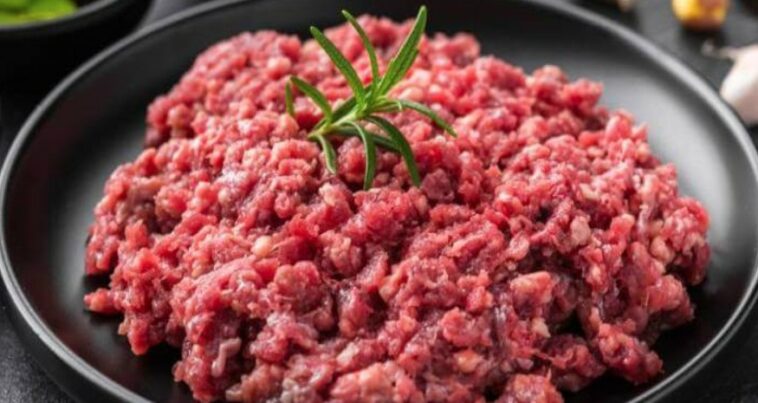
Alberta Elk Roast captures the essence of Canada’s wild and rugged landscapes, showcasing the lean and flavorful meat of elk sourced from the pristine wilderness of Alberta. This dish is a celebration of local ingredients and traditional cooking methods, offering a unique and savory experience that highlights the natural bounty of the Canadian Rockies. In this article, we’ll explore the significance of elk in Alberta, discuss the health benefits of choosing elk meat, provide tips for preparing a succulent elk roast, and share a detailed recipe to help you create a memorable Alberta Elk Roast at home.
The Significance of Elk in Alberta
Elk, also known as wapiti, roams freely across the expansive forests and grasslands of Alberta, making it a symbol of the province’s rich natural heritage. For centuries, Indigenous peoples and early settlers relied on elk for sustenance, appreciating its lean meat and versatility in various culinary preparations. Today, Alberta continues to sustainably manage elk populations, ensuring their conservation while also supporting local economies through responsible hunting and ranching practices.
Health Benefits of Choosing Elk Meat
Opting for elk meat in your culinary endeavors provides numerous health benefits:
- Lean Protein: Elk meat is exceptionally lean, low in fat, and high in protein, making it a nutritious choice for health-conscious individuals.
- Rich in Nutrients: Elk is packed with essential nutrients such as iron, zinc, and vitamin B12, which are crucial for energy metabolism and immune function.
- Omega-3 Fatty Acids: Elk meat contains higher levels of omega-3 fatty acids compared to beef, promoting heart health and reducing inflammation.
By incorporating elk into your diet, whether through roasts, steaks, or stews, you can enjoy a flavorful and nutritious meal that reflects Alberta’s commitment to sustainable agriculture and culinary excellence.
Tips for Preparing Alberta Elk Roast
Cooking an elk roast requires careful attention to preserve its tenderness and enhance its natural flavors:
- Marinating: Consider marinating the elk roast overnight to infuse it with additional flavors and tenderize the meat. Common marinade ingredients include olive oil, garlic, fresh herbs (like rosemary and thyme), and a splash of red wine or balsamic vinegar.
- Roasting Temperature: Preheat your oven to a moderate temperature (around 325°F or 160°C) to ensure even cooking without drying out the meat.
- Resting Period: Allow the elk roast to rest for 10-15 minutes after cooking to redistribute its juices and ensure optimal tenderness when sliced.
Recipe for Alberta Elk Roast
Ingredients:
- 3-4 pounds elk roast (shoulder or leg)
- 2 tablespoons olive oil
- 4 cloves garlic, minced
- 1 tablespoon fresh rosemary, chopped
- 1 tablespoon fresh thyme leaves
- 1 teaspoon salt
- 1/2 teaspoon freshly ground black pepper
- 1 cup beef or elk broth
- 1/2 cup red wine (optional)
- 2 tablespoons butter
Instructions:
- Prepare the Elk Roast:
- In a small bowl, combine minced garlic, chopped rosemary, thyme, salt, pepper, and olive oil to create a marinade. Rub the marinade evenly over the elk roast, covering all sides. If time allows, refrigerate and marinate the roast overnight.
- Preheat and Sear:
- Preheat your oven to 325°F (160°C). Heat a large, oven-safe skillet or Dutch oven over medium-high heat. Sear the elk roast on all sides until browned, about 3-4 minutes per side. This step enhances flavor by caramelizing the surface of the meat.
- Roast the Elk:
- Place the seared elk roast back into the skillet or Dutch oven. Add beef or elk broth and red wine (if using) to the pan. Cover tightly with a lid or foil.
- Slow Roast:
- Transfer the skillet or Dutch oven to the preheated oven. Roast the elk for approximately 2.5 to 3 hours, or until the internal temperature reaches 135-140°F (57-60°C) for medium-rare or 145°F (63°C) for medium doneness.
- Rest and Serve:
- Remove the elk roast from the oven and transfer it to a cutting board. Tent loosely with foil and let it rest for 10-15 minutes. This resting period allows the juices to redistribute throughout the meat.
- Prepare the Sauce (Optional):
- While the elk roast is resting, prepare a simple pan sauce. Strain the cooking juices into a saucepan, bring to a simmer, and whisk in butter until melted and incorporated. Season with salt and pepper to taste.
- Slice and Enjoy:
- Slice the rested elk roast against the grain into thin slices. Serve hot, drizzled with the pan sauce if desired, alongside roasted vegetables, mashed potatoes, or a fresh salad.
Serving Suggestions
- Accompaniments: Pair Alberta Elk Roast with seasonal roasted vegetables, creamy mashed potatoes, or a crisp green salad for a balanced and satisfying meal.
- Beverage Pairing: Complement the robust flavors of elk with a full-bodied red wine, such as Cabernet Sauvignon or Merlot, or opt for a local craft beer for a quintessentially Albertan dining experience.
Embracing Alberta’s Culinary Heritage
Alberta Elk Roast embodies the spirit of the Canadian Rockies, offering a taste of the province’s pristine wilderness and culinary ingenuity. By preparing this recipe, you can embrace Alberta’s commitment to sustainable agriculture and enjoy a memorable dining experience that celebrates the natural flavors of elk meat. Whether shared with family and friends or savored as a special occasion meal, Alberta Elk Roast invites you to discover the rich culinary heritage and exceptional quality of Canadian ingredients.
Conclusion
Alberta Elk Roast is more than just a meal; it’s a testament to Alberta’s natural beauty and commitment to quality food production. By exploring this recipe and preparing it in your own kitchen, you can savor the rich flavors and nutritional benefits of elk meat while supporting sustainable farming practices. Whether you’re a culinary enthusiast or simply curious about Canadian cuisine, Alberta Elk Roast promises a memorable dining experience that captures the essence of Alberta’s wild landscapes and culinary traditions.

Facebook Comments