 John Myers
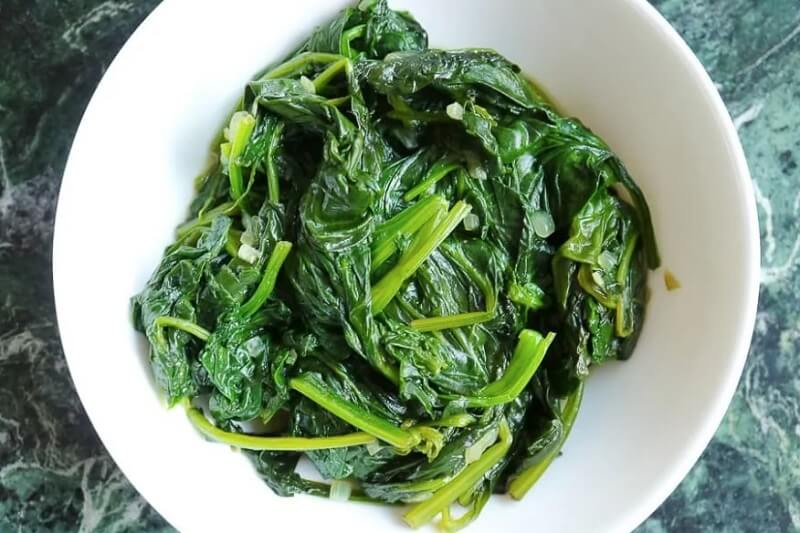
Spinach is said to be poisonous after reheating. While there used to be warnings about the poison from spinach, it is now agreed that the amounts of toxic nitrite that are produced when reheating are harmless for a healthy person.
Nitrite from spinach is toxic in large amounts
The fact that spinach is classified as poisonous is only true in moderation. To understand why this claim is being made in the first place, take a closer look at the ingredients.
- Fresh spinach contains nitrates. Nitrate itself is not toxic. However, if the vegetables are stored for too long or are heated a second time, the non-toxic nitrate turns into toxic nitrite.
- When nitrite comes into contact with amino acids, it can convert to nitrosamine. Nitrosamine is carcinogenic. You should therefore not eat spinach in combination with proteins.
- For an adult with a healthy liver, the nitrite from spinach is harmless because the amount is very small. Children and babies should be more careful. You should eat the spinach as fresh as possible.
How to properly prepare spinach
You can use a few tricks to prevent the formation of toxic nitrite:
- Reduce the nitrate content in spinach during preparation. You can do this by boiling or blanching the spinach. When cooking, you should discard the cooking water, as the nitrate from the spinach migrates into the water.
- Prepared spinach should be eaten as soon as possible. Don’t reheat it repeatedly. Stored in the fridge, the spinach can be kept safe for up to a week. Note, however, that you cool the spinach as quickly as possible after heating it.



Facebook Comments