 John Myers
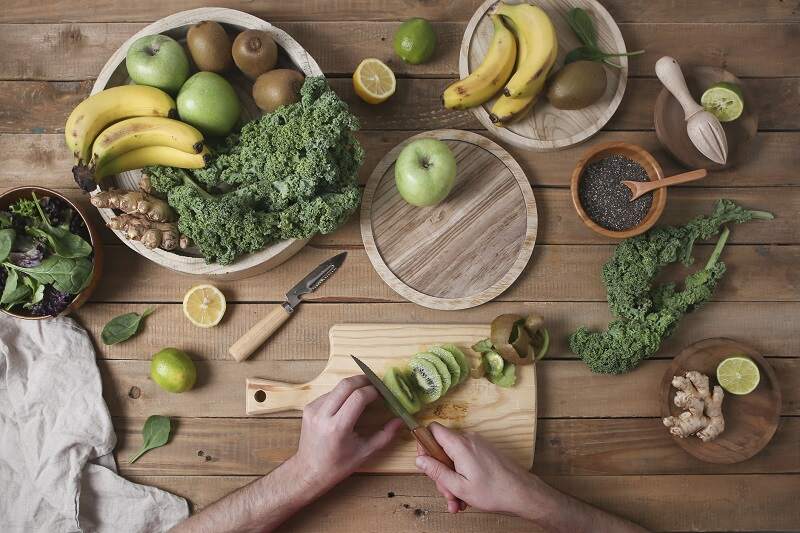
Vegan or vegetarian? There is one or the other difference between the two forms of nutrition. Eating vegan or vegetarian is becoming more and more of an issue. In this article, we explain what exactly differentiates the two forms of nutrition from each other.
Vegan and vegetarian: You should know the difference
The topic of sustainability is becoming more and more relevant. This also includes a conscious use of natural resources, food and nutrition. Vegan or vegetarian restaurants or cafés are popping up more and more frequently. According to the Federal Statistical Office, both the supply and the demand for vegan and vegetarian food are increasing. What exactly distinguishes the vegan from the vegetarian diet can be read in the following:
- The main difference between vegans and vegetarians is that vegetarians do not eat products that involved the death of an animal. However, food that has been produced using an animal or is an animal product can be considered as long as the animal remains alive, although there can also be different manifestations and attitudes.
- Vegans, on the other hand, completely refrain from eating both animal products and animal products. Also, no food is eaten in the production of which animals are involved.
- The reasons why people choose one of the two diets can vary from person to person. For many, environmental awareness or reasons of conscience are in the foreground. Others decide against eating meat for reasons of taste or cost, for example.
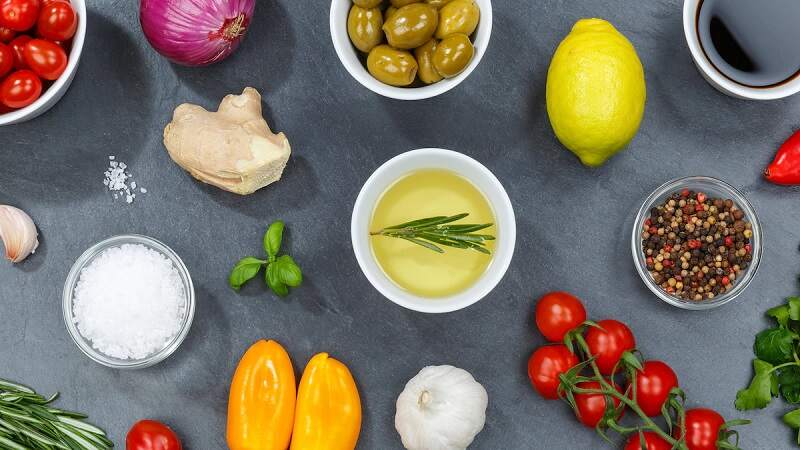
Vegetarians do not eat these foods
If you take the word vegetarianism literally, it implies the all -plant-based diet. In fact, however, vegetarianism itself takes different forms in terms of the consumption of animal products and products.
- Basically, vegetarians do not eat any meat. That means no poultry, beef, pork, etc., and no fish is eaten. Seafood is also not eaten. Dishes such as burgers, kebabs, sausages, sushi or moules-frites are then taboo as long as they are not vegetarian or alternative, which is not possible with all foods.
- Theoretically, products such as eggs, milk, yoghurt, quark and cheese also fall into the avoidable range, as long as one refers to the linguistic meaning of the word “vegetarianism”. Strictly speaking, vegetarians who do not do without these products are then referred to as ovo-lacto vegetarians.
- Other possible diets aimed at restricting meat consumption would be pescetarianism or occasional vegetarianism, although these forms have relatively little in common with the definition of vegetarianism. For prescetarians, fish and various seafood are part of the menu. Occasional vegetarians, also known as flexitarians, avoid meat as much as possible, but not completely.
Vegans avoid these dishes
In veganism, animal products are avoided in every respect. If you eat consistently vegan, there are no exceptions or sub-forms that allow certain animal products.
- Animal products of any kind are taboo for vegans. Of course, this includes all sorts of meat, fish and seafood. Milk- based products and eggs are also not on the vegan menu.
- What is sure to surprise many is that vegans are also out of the question of foods such as honey or various types of pasta. Honey is an animal product, more specifically bees are involved in its production. The pasta dough often consists of eggs, among other things.
- The same applies to many other foods that you would not think at first glance that they contain animal ingredients. These include gummy bears containing gelatine, for example. Caution should also be exercised with some alcoholic beverages, such as beer and wine, since gelatine can also play a role in the production process. There are also foods, such as baked goods, in which milk protein is processed. These are also taboo for vegans.
- Please note, however, that a vegan life does not mean that you simply do without and that enjoyment falls by the wayside. Many animal foods can easily be replaced with alternative products. In terms of taste, vegan foods are usually in no way inferior to vegan products.
- By the way, a vegan lifestyle is not just about nutrition. Vegans avoid animal products in all areas of life. For example, they do not wear leather clothing.

Facebook Comments