 John Myers
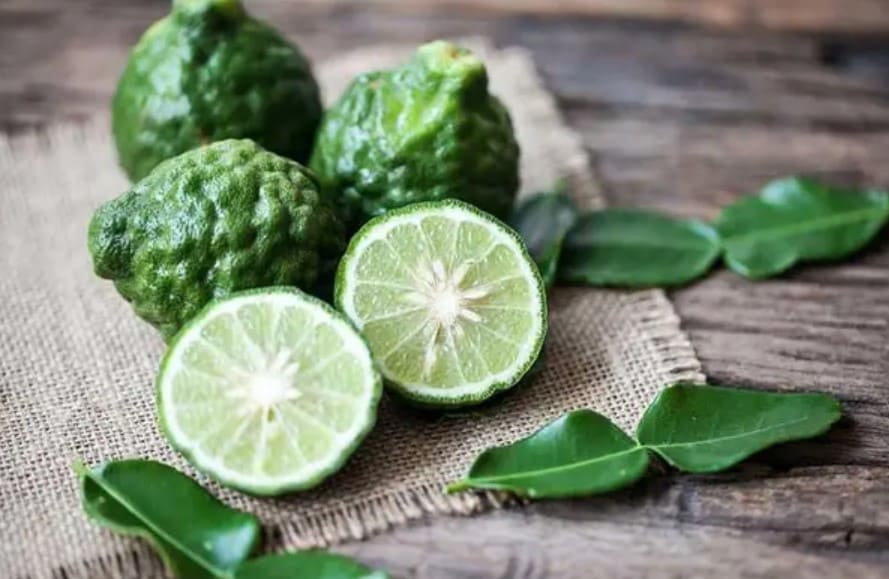
Nowadays, a bergamot is usually understood to be a very sour, rare citrus fruit that comes from southern Italy. It is not eaten as a fruit, instead its oil is mainly used in the manufacture of perfumes and cosmetics as well as in aromatherapy. There is also an old group of plump pear varieties that are also known as bergamots.
The green, thick-skinned citrus fruit known as bergamot grows on evergreen shrubs and is not suitable for consumption as its taste is extremely acidic. However, the coveted bergamot oil, which is used to flavor Earl Gray tea, is extracted from its peel. Jam, biscuits, ice cream, cakes and other desserts can also be flavored with bergamot. Liqueurs and citrus drinks are also made from the peel of the citrus fruit.
However, the unprocessed oil obtained from bergamot is not suitable for internal use. As an essential fragrance oil, however, it is said to have a balancing and mood-enhancing effect. The finely grated zest of a washed, unsprayed bergamot, on the other hand, can be used to flavor desserts with lemon as an alternative to lemon or lime. A piece of peel is also suitable for flavoring tea or cocktails. However, fresh bergamots are usually only available in their southern Italian homeland. In the rest of Europe, bergamot bushes can only be found in small format as ornamental plants.
The second type of fruit, referred to as bergamot, is a group of ancient pear varieties. Visually, however, the bergamot pears are more reminiscent of apples than pears due to their round shape. The bergamot pear probably came to Italy via Turkey and from there spread to other European countries. Bergamots grow on strong trees and are characterized by their round shape, medium size, and light green to yellow-green skin. The yellow-white flesh is sweet but not particularly spicy.


Facebook Comments