 John Myers
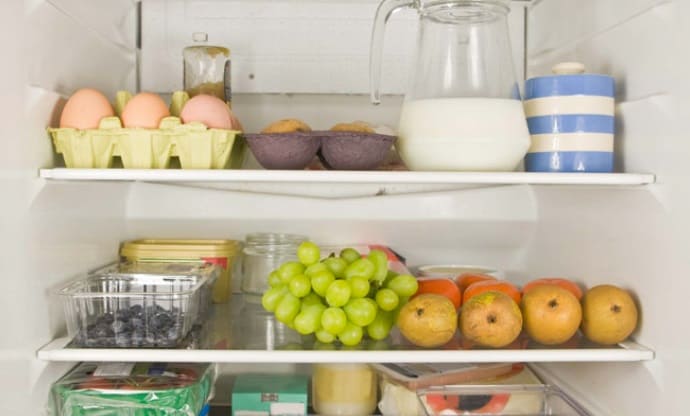
Keeping food in the fridge: how long it lasts
Various aspects play a role in the shelf life of food, such as the prevailing temperatures and the uninterrupted cold chain. It is therefore difficult to make blanket statements here. The Federal Center for Nutrition also gives recommendations for correct storage.
- If in doubt, check the expiry date and check for yourself whether the food is still good. You can recognize this, for example, by the appearance or the smell.
- Make sure that the best before date indicates how long food can be kept if stored correctly, whereas the use-by date must not be exceeded. This is the case with meat or fish, for example.
Store fruit and vegetables in the fridge
Many types of fruit and vegetables perish quickly and should therefore be stored properly in the refrigerator:
- Green leafy vegetables are usually kept in the fridge for around two days and should not be frozen. Brussels sprouts and broccoli can be stored in the refrigerator for between three and five days. They will keep in the freezer for nine to twelve months.
- When stored properly, carrots can be kept in the refrigerator for up to a week, or even longer in a sealable and airtight box. Before refrigerating, remove the greens. They will keep in the freezer for around eight to 18 months.
- Cucumbers, on the other hand, should not be frozen, but they will keep in the refrigerator for between one and three days. Storage at room temperature is recommended, as they last about a week.
- Apples can be stored in the refrigerator for more than a week and will keep in the freezer for up to a year. Berries can be stored in the refrigerator for up to two days, or at least ten months in the freezer, depending on the variety.
- Ripe avocados will keep in the fridge for up to a week, but shouldn’t be frozen. Avocados can ripen at room temperature. Grapes will keep in the fridge for up to a week and in the freezer for up to six months.
- Citrus fruits, such as oranges and lemons, can be kept in the refrigerator for around one to three days, but they should also not be frozen. However, storage at room temperature is better for citrus fruits, where they keep for around eight to ten days.
Store eggs, cheese, and other dairy products in the refrigerator
In the case of eggs, cheese, and dairy products, you should of course pay attention to the best-before date. As a rule, however, the following information applies:
- Hard cheese will keep in the fridge for two to three weeks, but much longer if unopened. It can also be kept fresh in the freezer for up to four months. Cream cheese will keep in the fridge for about a week and can be frozen for up to 12 months.
- Freshly grated cheese can be kept in the refrigerator for a maximum of two to three days (it is best to use it immediately), and soft cheese only four to ten days. You can freeze the grated cheese for up to four months, and the soft cheese for up to three months.
- Butter keeps in the fridge for two to four weeks and in the freezer for six to nine months. The situation is similar to yogurt. It will keep in the fridge for four to six days, but should not be frozen.
- Long-life milk, on the other hand, stays fresh in the refrigerator for a maximum of one week and can be frozen for up to three months. Eggs will keep in the fridge for about four weeks and can be frozen for up to a year.
Store meat and sausage in a cool place
Be careful with meat and sausages. The consumer advice center has published some information on this. As a rule, the individual foods are kept as follows:
- Steaks, chops, and roasts will keep in the fridge for two to three days, and two to four days for opened cold cuts. All four foods can also be frozen: steaks then last six to eight months, chops for two to four months, roasts for nine to twelve months, and cold cuts for two to three months.
- Whole and sliced poultry products, such as chicken and turkey, will keep in the refrigerator for a day or two. Raw sausage stays fresh for up to two to four days, minced meat should be eaten as soon as possible.
- You can freeze poultry products for eight to ten months, but the sliced version is only a few months. Minced meat can be frozen for one to three months and raw sausage for one to two months.
- Opened sausage jars, such as hot dogs and raw bacon, will keep in the refrigerator for up to a week. You can freeze the sausages for a month or two, but you can only freeze the raw bacon for a month.
Be careful with fish and seafood
Be careful with fish and seafood too. Always pay attention to the smell and appearance of the food before you eat it.
- Cooked fish will keep in the fridge for a day or two and in the freezer for a month or two.
- However, you should only keep fresh lobster and fresh shrimp for a day or two. Both will keep in the freezer for two to three months.
- Smoked fish can be kept in the fridge for about three days. This fish will keep in the freezer for about a month, but only if it was frozen very fresh.
- Fresh fish, such as fresh salmon, on the other hand, only lasts about a day in the fridge. The general rule here is: Consume the fish as quickly as possible.
store leftovers
You should also be careful with leftovers and store them properly in the fridge and freezer.
- Leftovers can be kept in the fridge for between three and four days, in exceptional cases even five days. You can keep vegetable and meat soups, cooked meat, chicken nuggets, and pizza in the fridge for three to four days. Egg, chicken, or tuna salad can be stored anywhere from three to five days.
- Therefore, these salads must not be frozen. Leftover pizza, on the other hand, can be frozen for one to two months, and chicken nuggets for one to three months. Cooked meat stays fresh for two to six months in the freezer and soups keep for four to six months when frozen.
- Also, make sure you dispose of any leftovers properly if they are no longer usable. There are also different disposal options for the different foods.


Facebook Comments