 John Myers
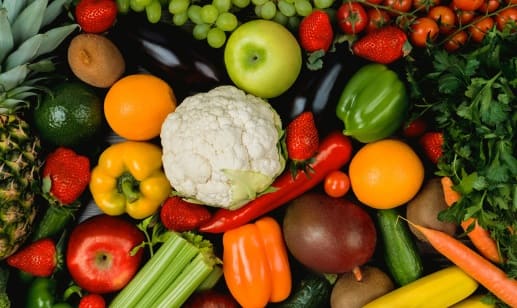
Diet with fiber
In general, dietary fiber is mainly found in plant foods. Some suppliers are particularly high in fiber:
- Dietary fiber is primarily found in fruit, vegetables, nuts, and whole grain products.
- Apples, pears, broccoli, and carrots, for example, provide a small number of healthy substances. These fruits and vegetables contain 2 to 3 grams of fiber per 100 grams.
- Berries and cabbage offer a little more: For example, blueberries have 4.9 grams of fiber per 100 grams, raspberries 4.7 grams, and Brussels sprouts 4.4 grams.
- The amount of fiber in your diet increases even more when you eat whole grain products. Wholemeal bread has about 7 to 8 grams and wholemeal pasta even around 11.5 grams per 100 grams of the food.
- However, lentils and peas are unbeatable: For 100 grams of dried lentils you take in around 17 grams of dietary fiber, and peas provide you with only slightly less.
How does fiber affect the body?
Fiber is considered healthy and is essential for a healthy diet. But what exactly do they actually do in the body? We clarify:
- There is water-soluble and water-insoluble fiber.
- Both types act in the large intestine and influence the size and consistency of the stool.
- The stool becomes larger and softer, which above all prevents constipation.
- For this effect to occur, you should consume at least 30 grams of fiber per day in your diet.



Facebook Comments