 John Myers
Additives in food: Look out for E-numbers when shopping
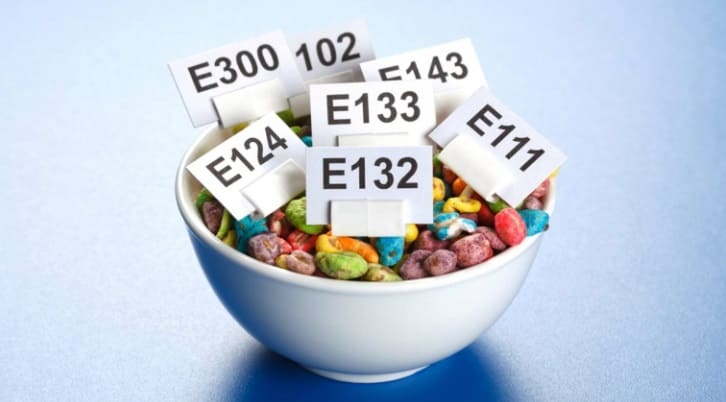
E numbers – the “E” stands for “Europe” denote food additives. A total of 300 of these substances are permitted. They have different tasks.
- Emulsifiers: These additives are used to connect substances that cannot actually be connected. You can find out more about emulsions in another article.
- Dyes: They bring color to our food and are supposed to make it look more appetizing.
- Antioxidants: These additives make food last longer. For example, they prevent fats from going rancid.
- Flavor enhancers: As the name suggests, they provide more flavor.
- Sugar substitutes: They serve as a sugar substitute.
- Thickeners: These additives give food a creamy texture, such as ice cream or fruit yogurt.
- Preservatives: Like antioxidants, they also ensure longer shelf life, but by inhibiting the growth of microorganisms.
E numbers: The dyes are harmful to health
Sometimes the manufacturers deliberately refrain from listing E numbers and use the name of the additive instead. That’s why we call numbers and names.
- E102 – Tartrazine (coloring agent): Yellow coloring agent found in custard powder, processed cheese, confectionery, beverages, and mustard.
- E104 – Quinoline yellow (dye): Only permitted in small quantities for smoked fish, chewing gum, jelly, sherbet powder, and fruit wines.
- E110 – Yellow Orange S (Colouring): Found in salmon substitutes, cheese, and wine gums.
- E122 – Azorubine (carmoisine) (coloring agent): Red coloring agent found in sweets and beverages, as well as in instant soups and other convenience foods.
- E123 – Amaranth (coloring agent): Red coloring agent, only permitted for caviar, aperitif wines, and spirits.
- E124A – Cochineal Red A (dye): Red dye is found in salmon substitutes, chorizo sausage, fruit jelly, and other sweets.
- E127 – Erythrosine (coloring agent): Red coloring agent, only permitted for candied cherries, cocktail cherries, and fruit salads containing cherries.
- E129 – Allura Red AC (color): Found in Germany in desserts, beverages, and confectionery. Banned in Belgium, Denmark, France, Sweden, and Switzerland.
- E142 – Green S (Dye): Green dye that dyes canned peas, beverages, and mints green, as well as cosmetics, leather, paper, and wool.
- E150C – Ammonia caramel (dye): Colors cola or mustard sauces brown, as well as whiskey – by the way, we present the most popular varieties in another article for you.
- E151 – Brilliant black BN (dye): Used in licorice and in caviar substitutes, but also in shampoos.
- E154 – Brown FK (dye): Approved only for smoked herring from England, also called “Kippers”.
- E155 – Brown HT (Colouring): Reddish-brown coloring, approved for coloring chocolate, ice cream, cakes, biscuits, or other confectionery.
- E173 – Aluminum (coloring agent): Silver-grey coloring agent approved for the decoration of pastries and cakes and for coatings on confectionery.
- E180 – Litholrubin BK (color): Red colorant, only permitted for cheese rind.
- E239 – Hexamethylenetetramine (preservative): Authorized for only one type of Italian cheese, namely “Provolone”.
- E284 – Boric acid (preservative): Approved for caviar only.
- E285 – Sodium tetraborate (borax) (preservative): As a variant of boric acid, only permitted for caviar.
- E385 – Calcium disodium ethylene diamine tetraacetate (Calcium disodium EDTA) (antioxidant): Approved only for margarine, frozen crustaceans, and canned and glass preserves.
- E425 – Konjac (thickener): Banned in the EU for jelly confectionery. You can find, for example, glass noodles and Far Eastern specialties.
- E512 – Stannous Chloride (Antioxidant): Approved for canned and glass jars only. It can be found, for example, in canned asparagus.
- E999 – Quillaja Extract (Stabilizer): Only approved for beverages, stabilizes the foam. You can find it in cider or ginger ale, for example.


Facebook Comments