 John Myers
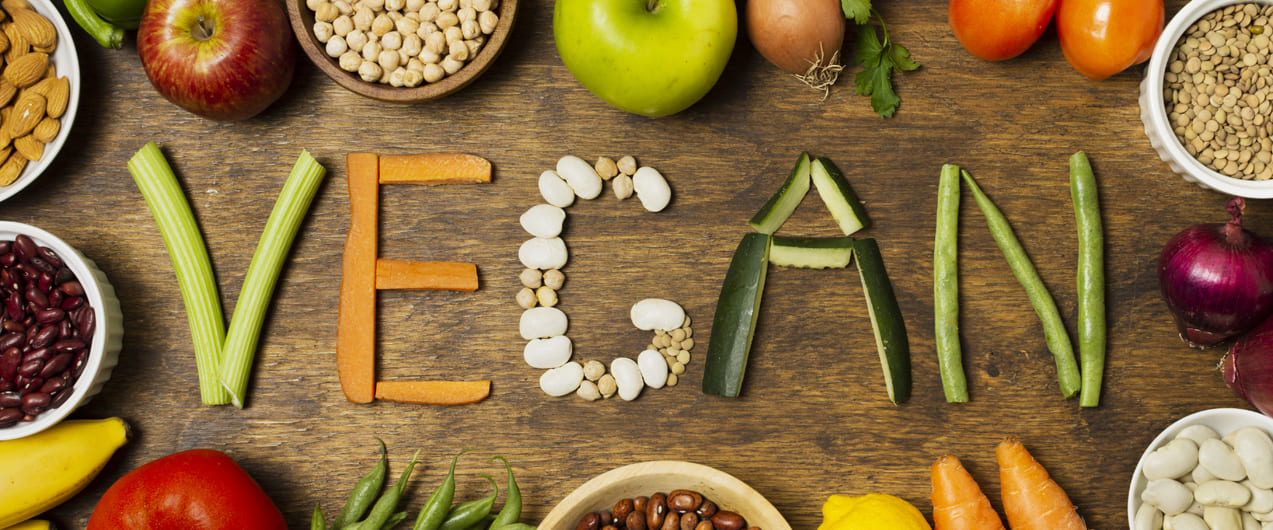
A purely vegan diet can be healthy. However, this requires very good knowledge of the selection and preparation of food. If a vegan diet is uninformed and not well prepared, it can result in severe deficiency symptoms. Especially for children, pregnant women, and breastfeeding women, a purely plant-based diet require a particularly careful selection of foods and the use of supplements to ensure a balanced supply of nutrients.
Health Benefits
There are now numerous scientific studies that show that vegans are less likely to suffer from certain diseases than omnivores. Overweight and obesity are observed less frequently in people who eat a purely plant-based diet. This is ensured by a higher intake of dietary fiber with a simultaneous lower intake of fat and protein. In addition, vegans are less likely to develop lifestyle diseases such as diabetes or cardiovascular disease than people who regularly eat meat products.
This is mainly because vegans do not eat animal fats, which contain a lot of cholesterol and saturated fat. Lower body weight and better cholesterol levels reduce the likelihood of developing high blood pressure and suffering a heart attack or stroke. In addition, vegans tend to be more careful about the foods they eat due to the restrictions on their diet. Many vegans also place more value on a healthy lifestyle overall. They exercise more, drink less alcohol, smoke less, and thereby also improve their health.
Risks of a vegan diet
With an unfavorable combination of foods, a vegan diet can also lead to deficiency symptoms that can result in serious illnesses. It is particularly easy to get deficient in the nutrients that are almost exclusively found in foods of animal origin. This includes, for example, vitamin B12. An undersupply of the vitamin necessary for cell division and blood formation can cause serious damage to the nervous system. Although vitamin B12 is found in small amounts in some algae such as chlorella and in fungi, it is almost impossible to get sufficient amounts from purely plant-based sources. A deficiency can be prevented as part of a vegan diet by taking appropriate dietary supplements. In addition, many vegan foods such as soy drinks or margarine are now fortified with vitamin B12 to ensure an adequate supply for vegans.
How quickly a vitamin B12 deficiency occurs depends on how well the body’s stores in the liver and other organs are replenished. Since the body only needs small amounts of the vitamin, a full store can ensure an adequate supply for the next three to five to ten years. In small children, on the other hand, a vegan diet without a corresponding supply of vitamin B12 can lead to a deficiency much more quickly, since children’s stores have not been replenished over many years and are therefore exhausted more quickly.
Ensure the supply of trace elements
A vegan diet can lead to a lack of the trace element iron. This is because the body cannot absorb iron from plant foods as well as iron from animal sources. In principle, this also applies to another trace element: zinc. Since a zinc deficiency is rare in adult vegans, their bodies seem to adapt to the plant-based diet after a while and also use zinc from plant-based sources better. In contrast, this adaptation does not appear to exist in children. In order to counteract a zinc deficiency, vegans should have enough zinc-rich foods on their menu. These include whole grain products, peanuts, or legumes such as soy.
Vegans also have a greater risk than omnivores of iodine deficiency. Because the trace element is mainly found in fish and seafood. An iodine deficiency can impair the function of the thyroid gland and lead to metabolic disorders. In pregnant women, an undersupply of the trace element can also result in malformations in the child or even miscarriages. To prevent a deficiency, vegans can consume the trace element through iodised table salt, various types of algae, mushrooms, broccoli, or peanuts. However, caution is also required if there is an oversupply of iodine: Excessive iodine intake can also lead to metabolic disorders.
In addition, with a vegan diet, special attention must be paid to an adequate intake of calcium, vitamin D, vitamin B2, omega-3 fatty acids, and total energy and protein intake.
A balanced diet is essential!
In order to prevent deficiency symptoms and the diseases that result from them, the careful composition of the diet is essential for vegans. In addition to plenty of fruit and vegetables should be whole grains, and legumes. Seeds and nuts are regularly on the menu. For a good absorption of vitamins and a supply of polyunsaturated fatty acids, it is also advisable to use high-quality vegetable oils such as linseed oil or rapeseed oil for the preparation of food. Chia seeds are another new way to get omega-3 fatty acids on your plate. The small South American grains can be sprinkled over salads, stirred into muesli, or used to prepare puddings. (Recipes at www.edeka.de) Dietary supplements or plant foods enriched with nutrients also ensure that nutrient gaps are closed.
The mix plate also offers vegans a perfect orientation for meal planning.
But even with a very well-thought-out and well-organized vegan diet, it is important for vegans to have their blood levels checked regularly by a doctor. If there are deficiencies, measures can be taken in good time to counteract undersupply and prevent diseases.



Facebook Comments