 John Myers
Contents
show
There is hardly any other food that is as divided as licorice is: you either like it or you don’t. Is licorice healthy, i.e. “black gold”, as the tough mass is called in the north? Or is it perhaps just “bear dirt” – as licorice is called in the south?
Licorice – medicinal since ancient times
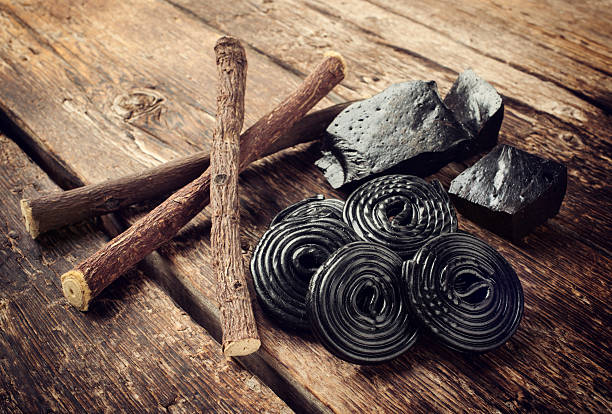
Licorice is obtained from the roots of the licorice plant.
- Five kilos of raw licorice are enough to make about 100 kilograms of sweets. So what comes in our bags is not pure licorice. Contains sugar, glucose syrup, flour, potato starch, sal ammoniac, and flavorings. The glycoside glycyrrhizin contained in the root bark gives the licorice its taste – and sweetens fifty times more than cane sugar.
- The ancient Greeks and Egyptians used the expectorant effect of licorice to treat colds and lung diseases. In the Middle Ages, licorice was used to treat jaundice, coughs, and stomach problems. Even the plague was treated with licorice.
- Today science knows more about the black mass. Anti-inflammatory, anti-viral, and anti-bacterial properties are ascribed to it.
- The all-rounder also protects the liver and heart, stimulates the immune system, traps free radicals, and is said to prevent cancer.
- The main reason for this amount of positive effects is the glycyrrhizic acid contained in the root. In addition to this main player, ingredients such as triterpenes, saponins, flavonoids, isoflavonoids, and chalcones unfold their effect.
- Even today, licorice is not only eaten but also used medicinally. Licorice is well known as a component of cough syrups. The pharmaceutical industry uses the licorice component glycyrrhizic acid as a raw material for innovative medicines. This includes, for example, therapies against HIV and the infectious disease SARS.
Beware of high blood pressure – and other interesting facts
Like every sweet – and also every medicine – the dose makes the effect. Too much licorice can also be unhealthy.
- As positive as the effect of glycyrrhizin is, on the one hand, it also has disadvantages. The glycoside causes increased cortisol production in the adrenal gland. Cortisol, in turn, increases blood pressure.
100 grams of pure licorice daily can lead to high blood pressure and cardiac arrhythmia. - Italian researchers have the appetite-inhibiting effect of licorice in mind and suspect that regular consumption can melt love handles.
- Italian scientists have also researched the link between licorice consumption and male potency. According to their results, licorice inhibits certain enzymes responsible for the production of male hormones. The result: a falling testosterone level and less desire for sex. Impotence can also occur. Reassuring: After four days of licorice withdrawal, everything is fine again.
- A study from the USA dealt with women and licorice. Accordingly, the scent mixture of licorice and cucumber increases blood flow in the genital area by 14 percent – which is said to have a sexually stimulating effect on women. By the way: In contrast to this mixture, aftershave is counterproductive.
Stay away from licorice during pregnancy
You should avoid licorice during pregnancy.
- Glycyrrhetinic acid is said to have an effect on the labor hormone progesterone. Mothers who eat a lot of licorice during pregnancy give birth to their children on average 2.5 days earlier.
- What is worse, however, is that licorice has negative effects on the development of the embryo. If women ate licorice during pregnancy, a three times higher cortisol level was measured in the children than in children whose mothers went through the pregnancy without licorice.
- Cortisol is a stress hormone. There is a link between cortisol and the development of diabetes and obesity. Even small amounts of licorice are enough to increase the child’s cortisol level.
- So if you feel a craving for sweets during pregnancy, it is better not to reach for licorice.



Facebook Comments