 John Myers
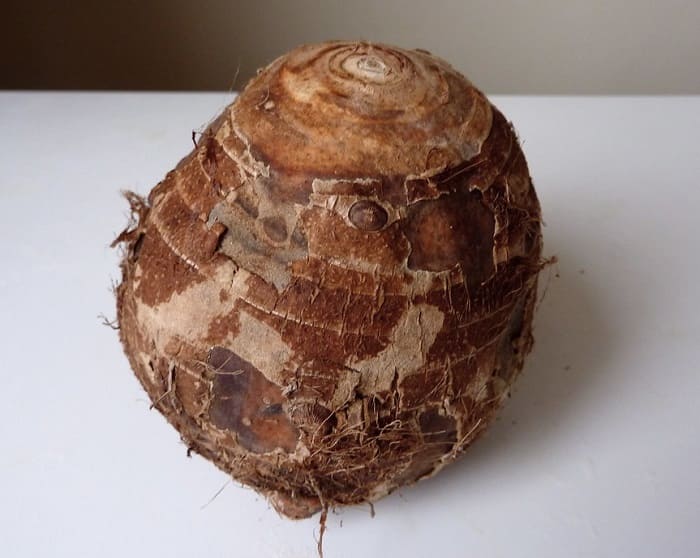
It’s often described as a sweeter alternative to potatoes. Once cooked, taro tastes similar to sweet potatoes. Taro absorbs other flavors quite easily, which is what makes it so versatile. It tastes sweet and vanilla-like in desserts, but can also taste starchy and nutty in soups and stir-fries.
What flavor is similar to taro?
When taro is cooked, it tastes much similar to sweet potatoes. Its texture and structure also remind the potatoes, and it can be used in similar dishes.
Is taro good for health?
Taro root is an excellent source of dietary fiber and good carbohydrates, which both improve the function of your digestive system and can contribute to healthy weight loss. Its high levels of vitamin C, vitamin B6, and vitamin E also help to maintain a healthy immune system and may eliminate free radicals.
Is taro a sweet potato?
Yams and Taro are not of the same family as sweet potato. The Yam is a tropical root originally native to Africa and now grown worldwide. There are over 150 varieties of this starchy vegetable, with interior colors ranging from white, to purple, to brown.
Does taro taste buttery?
Taro corm, in its raw form (I meant without additives, not uncooked), has a subtle nutty flavor that you may find similar to water chestnut. I personally find it more savoury than potatoes due to its nutty undertone and less buttery. It is closer to sweet potato in taste but with a vanilla-like flavor.
What do taro fries taste like?
Taro may taste like a sort of sweet potato, but its texture is closer to that of a regular potato. Because of this, it’s frequently sliced up and fried like French fries. It’s probably more accurate to say that taro (when cooked) is more like mashed potatoes, as in creamy.
Is taro a potato?
Taro root (Colocasia esculenta) is a root vegetable native to Southeast Asia. Often called the potato of the tropics, it varies in color from white to grey to lavender and has a mildly sweet taste.
Is taro actually purple?
In fact, taro is not really purple, as people would imagine. Taro has brown-greyish skin with mostly white flesh. When first harvested, it has a light lavender color visible as tiny dots in the white flesh. However, when the root is processed, it gets a light purple color.
Does taro make you sleepy?
Taro plant root enables the athletes in keeping the energy level high for a longer time. Taro root also has the right amount of carbohydrate that boosts energy and reduces fatigue.
Does taro make you gassy?
Taro or arbi is a starchy vegetable that is high in carbohydrates. So, taro may induce gas. The John Hopkins Medicine website also suggests that Taro, if not digested properly, may get digested by the bacteria in the large intestine to cause gas.
What makes taro itchy?
Taro, however, is quite difficult to handle as it makes the skin terribly itchy. This is caused due to the presence of calcium oxalate in the plant. To prevent the annoying itch, people apply generous amounts of mustard oil on hands before cutting the vegetable.
How long does taro take to cook?
Get a medium sized pot. Steam or boil the taro pieces until they are tender (easily pierced with a toothpick). This should take about 20 minutes.
How do you eat taro?
Taro can be steamed, boiled, fried, stir-fried, baked, and braised. It is often added to stews and soups where it absorbs fatty juices and serves as a nutty thickener. Taro is a starchy root vegetable that has a sweet, nutty flavor – a flavor and texture that seems a combination of chestnuts and potatoes.
Is taro a sweet?
It has a long history in international cuisine: its naturally sweet and nutty flavor makes it extremely popular across the world and can be found in a variety of dishes. Many would compare Taro to a potato as they are both starchy and can be eaten the same ways: fried, mashed, boiled, baked, and roasted.
Why is yam called taro?
Taro (Colocasia esculenta) is also called Ñame or Malanga in Latin America, Kalo in Hawaii, Gabi in the Philippines and Inhame in Brazil. To confuse things more, those names all translate to “yam” in English! Some taro are purple inside and some are white, but they all are brown and scaly and rough on the outside.
Is taro poisonous?
Taro is cultivated in rich well-drained soil. The corms are harvested seven months after planting. Taro leaves and corms are poisonous if eaten raw; the acrid calcium oxalate they contain must first be destroyed by heating.
Is taro good for high cholesterol?
Taro root also provides resistant starch, which lowers cholesterol and has been linked to a reduced risk of heart disease. Summary Taro root is high in fiber and resistant starch, which help lower cholesterol and reduce your risk of heart disease.
Is taro a purple sweet potato?
Though often generically labeled “purple sweet potato” in the United States, roots like taro, yams like ube, and Okinawan sweet potatoes arrive from totally different plants and totally different parts of the globe.
Are taro chips healthy?
Nutrition-wise, cooked, unsalted taro is a low-protein, low-fat food, with over 34g of carbs per 100g serving. It also contains a number of vitamins, such as vitamin E, minerals, and fiber.
What does taro smell like?
Taro root which has been fried or roasted will smell very much like roasted sweet potato or parsnip, whereas boiled or mashed taro root will resemble potato prepared in the same way.
Where is taro root from?
Taro (Colocasia esculenta L.) has been cultivated for many centuries. Originating in Asia, taro is now primarily found in tropical and subtropical regions, where it was historically a major dietary staple on the islands of the Pacific, especially Hawaii, New Zealand, and west to Indonesia.
Is taro better for you than potato?
Taro, a starchy, white-fleshed root vegetable, has 30% less fat and more fiber than its cousin, the potato, plus lots of vitamin E.
What part of taro do you eat?
Root. Taro is slightly sweet and nutty in flavor, and it’s the root of the taro plant, which grows in tropical and semitropical climates all over the world.
Can diabetics eat taro?
Dietary fiber found in taro root lowers the risk of developing diabetes as it helps in regulating the glucose and insulin in the body. Taro root is also a great alternative for diabetics due to its low glycaemic index.
Is taro good for weight loss?
Taro root is an excellent source of dietary fiber and good carbohydrates, which both improve the function of your digestive system and can contribute to healthy weight loss.
Can you eat taro root skin?
It has an inedible papery/fibrous skin and sweet white flesh. The leaves of the plant are also edible and are used to make the popular Caribbean dish called callaloo.
Is taro toxic if not cooked?
In spite of its popularity, all parts of the taro are toxic if consumed raw. This is due to the high levels of calcium oxalate; a crystal like poison that can cause kidney stones and mouth irritation in the form of numbing, burning, or an itching sensation. Proper cooking, however, minimizes the toxins.
Does taro turn purple when cooked?
Taro corms are large, with brown, scaly (and sort of hairy) skin and typically a creamy-white interior flecked with purple (although purple and pink varieties exist as well). When boiled or steamed, the corms turn a purple-ish color.


Facebook Comments