 John Myers
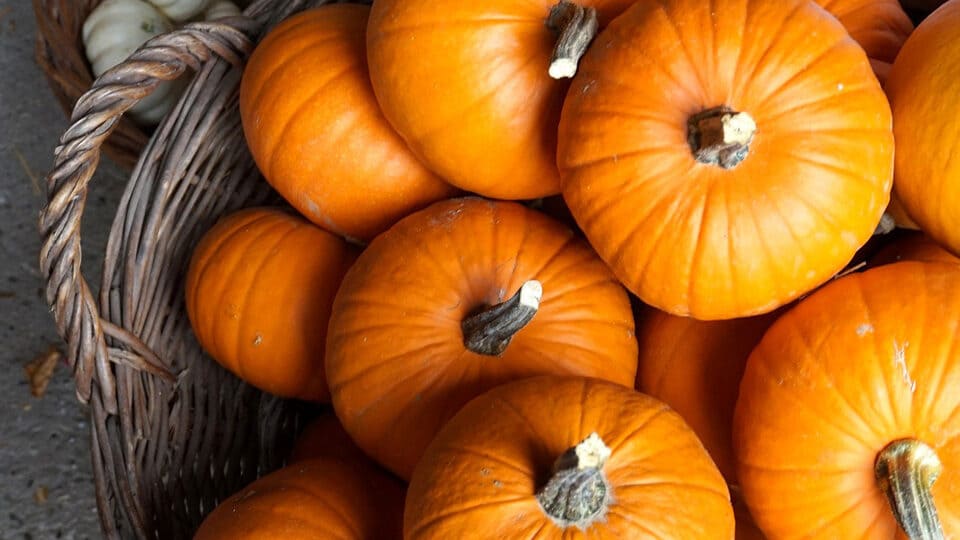
Big or small, pumpkins are back! For many years, the colorful giants were almost forgotten or were only used as Halloween lanterns. But for some time now people have been reminded of how delicious they actually are. The pumpkin is a frost-sensitive, vigorously climbing plant and can vary greatly in color, size, and surface. Depending on the variety, and there are around 800 of them, it can weigh from a good 500 g to several kilos. Pumpkins come in many colors: yellow, orange, dark green, white, and gray. The shape matches the color: round, oval, pear- and onion-shaped, smooth, ribbed, or studded with pimples, and some even resemble UFOs. Many varieties are inedible and are only used as ornamental gourds. In addition to the giant pumpkins, the most common edible pumpkins include the vegetable or garden pumpkins and the musk pumpkins, which also include the pear-shaped, light yellow butternut pumpkin with its buttery-nutty flesh. With our butternut squash recipe with pesto and feta, the vegetables become a real delicacy. A curiosity is the spaghetti squash, the flesh of which breaks down into spaghetti-like threads if you cook it whole or bake it (definitely try it as a vegetarian spaghetti squash!). A special feature are the Hokkaido pumpkins, the skin of which you can cook and eat with. Botanically closely related to the pumpkin are cucumbers, melons and zucchini – the latter are botanically vegetable pumpkins. Pumpkins should be harvested when fully ripe, as soon as the first night frosts have destroyed the pumpkin leaves. In addition to the tasty pulp, the pumpkin seeds are also used in the kitchen.
Origin
The first pumpkins were grown in Central and South America and southern North America. Finds of pumpkin seeds already date this to the period between 8,000 and 10,000 BC. In addition to the areas mentioned above, it is now cultivated in almost all warm regions worldwide.
Season
Pumpkin season runs from September to November. Although there are some exceptions. Species like the Hokkaido pumpkin are now available well into next spring.
Taste
The taste of pumpkin varies from fairly neutral to slightly perfumed. Hokkaido have a slightly nutty taste.
Use
All kinds of dishes can be conjured up with pumpkins, such as an autumnal pumpkin pan, pumpkin spaghetti, pumpkin puree with fish fillet, a pumpkin slaw as a raclette side dish or a pumpkin gratin. A classic is the pumpkin soup, which can be prepared from many types of pumpkin and in even more variations. Also delicious: pumpkin from the tin: cut into wedges, baked in the oven with other vegetables, plus a tasty dip – simply delicious. The small Hokkaido squash, the musk squash and the dark green nutmeg squash are suitable for cooking. But the large garden and giant pumpkins are also delicious. In the US, pumpkin pie is a sweet specialty for Halloween. Crunchy Halloween cookies go well with this. In this country it goes in the other direction – sweet and sour pickled pumpkin vegetables are very popular here. In southern European countries, the pumpkin seeds are dried and used as a snack or as a substitute for nuts. The kernels contain around 40 percent pumpkin seed oil, which is a delicacy when pressed and gives salads an unusual aroma.
Storage
It is best to store small pumpkins whole in the vegetable compartment of the refrigerator. Store larger pumpkin varieties whole in the basement. Have a column of the right size cut off larger pumpkins when you buy them and use them up as quickly as possible.
Durability
Whole pumpkins will keep for a few weeks if stored properly. Leaving a small piece of the stalk on the pumpkin will extend its shelf life. Consume cut pumpkins as soon as possible. Wrapped in foil, they will keep for up to 1 week in the vegetable compartment of the refrigerator.

Facebook Comments