 John Myers
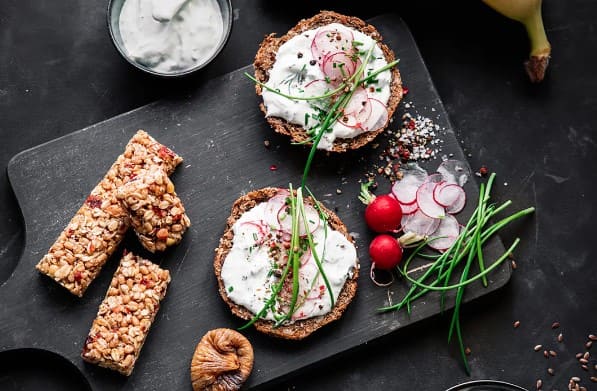
Just throw in more to build mass and it will work – that’s what many athletes think and wonder why belly fat grows instead of muscles. You can find out here which diet works in the mass phase so that this does not happen.
What to eat when bulking
In ambitious weight training, muscle building is the goal. In order to achieve it, two things are particularly important: sufficient, effective training and nutrition. But as with training, mistakes quickly creep into the routine. Or there is simply a lack of know-how to avoid falling into the fat instead of muscle building trap. So protein is very important, but it should be the right ones in a balanced mix. And carbohydrates, good fats, and micronutrients are also part of it. Eating three turkey escalopes and ten eggs every day is very one-sided in the long run and does more harm than good. Especially in the mass phase, strength athletes eat little varied. But that doesn’t have to be the case: With our tips and a compact bulk phase nutrition plan, the bulk phase works in a healthy way.
The most important principles and tips for eating during the bulking phase
In the bulking phase, you eat about a 10 to 20 percent calorie surplus. That’s why it’s important to know how many calories you actually consume per day. Calorie requirement calculators help determine the value. For example, now you know if you need a 3,000 or 4,000 cal bulk phase meal plan. In order to distribute the calories you need throughout the day, it is best to increase the frequency of meals and regularly enjoy healthy protein snacks. Up to six meals may come together in this way. However, if it is more feasible for you, you can also meet your energy needs with three large meals. During the bulking phase, it is best to eat a large meal two to four hours before training, which also contains enough carbohydrates. This way the muscles have enough fuel for the workout, but digestion is largely complete. After training, a protein shake is ideal to immediately promote regeneration.
This is what a bulking phase nutrition plan can look like
There are numerous recipes with a high protein content so that you can eat a variety of foods during the bulking phase. This should be around 2 g per kg of body weight per day. Meat is often the first choice for omnivores, but it is not an option for a vegetarian diet plan during the bulking phase. Dairy products, legumes, nuts, and eggs are recommended here. An example nutrition plan for a week in the bulking phase can look like this – simply put together your daily meals from our suggestions:
Breakfast:
- Omelette with vegetables such as mushrooms or spinach
- Wholemeal toasts with cottage cheese and peanut butter
- Porridge with yoghurt, protein powder, nuts and fruit
- Smoothie with milk, yoghurt, eggs, oatmeal and linseed oil
- Protein bread with ham or salmon and tomatoes or cucumbers
- Protein bowl with low-fat quark, nut butter, nuts and grated coconut
- Pancakes made from almond flour or oatmeal, milk, protein powder and banana
Having lunch:
- Peas with tuna and peanut sauce
- Chicken breast fillet with rice and broccoli
- Salmon steak with potatoes and vegetables
- Wholemeal noodles with almond smoked tofu and fried zucchini
- Lentils with soy mince or beef sausage and quinoa
- Rump steak with baked potatoes and quark
- Frittata with vegetables and wholemeal bread
Dinner:
- Fried eggs on vegetables with whole grain bread
- Savory stuffed pancakes (mushrooms, spinach, and feta, tomatoes…)
- One pot pasta with whole wheat pasta, broccoli, and pork tenderloin
- Meatballs or tofu fried fillets with mixed vegetables and rice
- Turkey breast fillets with cauliflower and potato pancakes
Burgers with lean beef or jackfruit patties - Chili con carne with potatoes
Snacks:
- Protein bars or shakes
- Peanut Butter Cookies
- Low-fat quark with fruit
- Cottage cheese with nuts
- Banana with yoghurt and almond butter
- Sandwich with turkey breast, mozzarella, and tomatoes
- Before going to bed: casein-rich protein shake, cheese, or low-fat quark

Facebook Comments