 John Myers
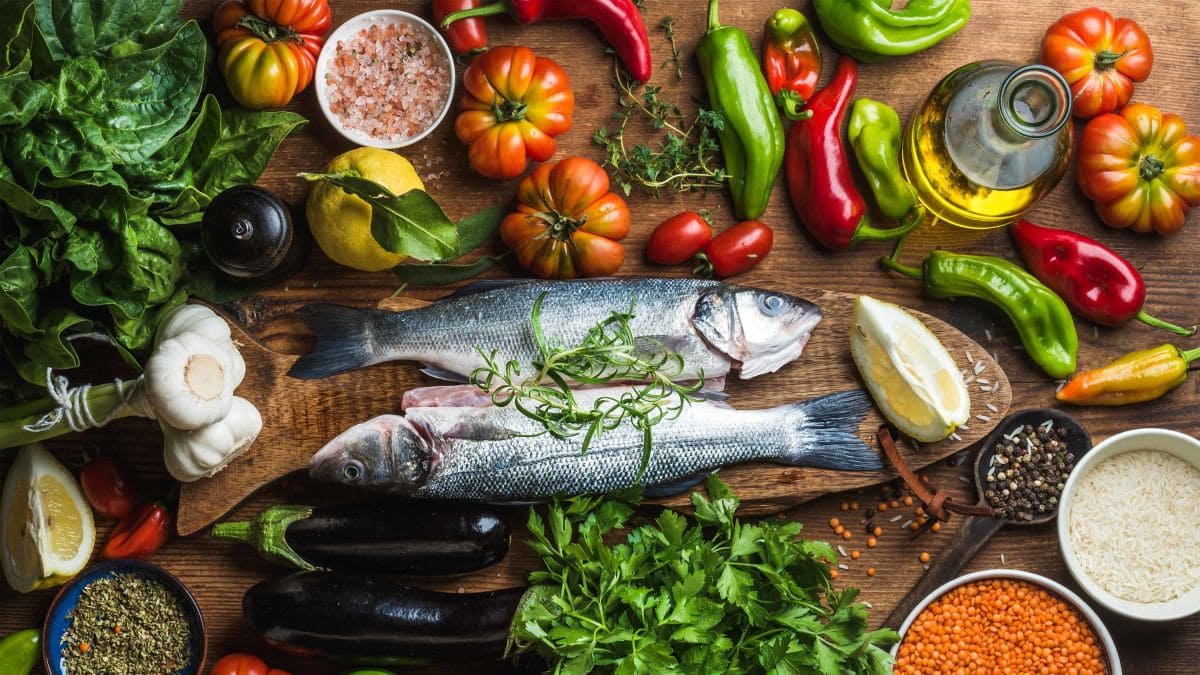
Anyone who eats like the people of the Mediterranean chooses a healthy diet. Scientific studies indicate this. The reason: Mediterranean cuisine uses a lot of fresh vegetables, fish, and vegetable oils. Ingredients that the German Society for Nutrition (DGE) also recommends.
Components of the Mediterranean diet
Opinions are often divided as to what a balanced diet should look like. And even science doesn’t always agree when it comes to setting up the best nutrition plan. The Mediterranean diet is a little different. The well-researched diet scores with a number of undisputed advantages. The main ingredients are vegetables, legumes, cereals, fruit, fish, and olive oil – all foods that are also very popular with the German Society for Nutrition (DGE). Mediterranean recipes also contain mostly fresh produce. Since a lot is seasoned with aromatic herbs, it is also possible to use salt sparingly.
Mediterranean cuisine – predominantly vegetarian and uncomplicated
If you follow a Mediterranean diet and cook for yourself, you automatically leave out nutrient-poor foods. Nevertheless, you don’t have to stand in the kitchen for hours to put a delicious dish on the table. Our Mediterranean stir-fry vegetables are ready in 30 minutes. The main work here is the snipping of the courgettes, aubergines, carrots, mushrooms, and cherry tomatoes. If you need something quicker, you can also use mixed frozen vegetables without sauce and additives – they are in no way inferior to fresh produce and can be seasoned just as finely.
What are typical Mediterranean vegetables?
The cuisine from the Mediterranean region is considered very healthy, not least because of the Mediterranean vegetables. In addition to aubergines, zucchini, peppers, and tomatoes, this also includes artichokes, olives, broccoli, beans, and onions as well as garlic. In addition, celery, spinach, carrots, mushrooms, and various leaf salads such as radicchio can be described as typical Mediterranean vegetables. The compositions of fresh ingredients and fresh herbs are usually decisive. The numerous fresh herbs from the Mediterranean region such as basil, rosemary, thyme, oregano, sage, mint, and laurel round off the taste of the dishes.
Mediterranean vegetables are often used in fish or seafood dishes. Red meat is used sparingly. A balanced diet with lots of fresh Mediterranean vegetables and herbs, fish, seafood, olives – read how healthy olives are – and little meat can have a positive effect on cholesterol levels and the cardiovascular system. Also read the article: “Are olives healthy?”.
Pasta and nuts: energy boost for active people
The Mediterranean diet is popular not least because it provides filling carbohydrates. In addition to vegetables, pasta, in particular, contributes to this. Since they are still the number one source of energy for many active people, Mediterranean cuisine is widespread as a sports diet. As a quick Mediterranean dinner after training, for example, our Mediterranean pasta salad fills up the memory again. Leftovers of the salad dressed with vinegar and oil can be enjoyed wonderfully the next day in the office. Snacks such as nuts and dates satisfy hunger between meals. They are widespread throughout the Mediterranean region as a filling food that is easy to transport. Nuts are also a popular ingredient in desserts, such as Greek desserts like yogurt with honey and caramelized nuts.


Facebook Comments