 Emma Miller
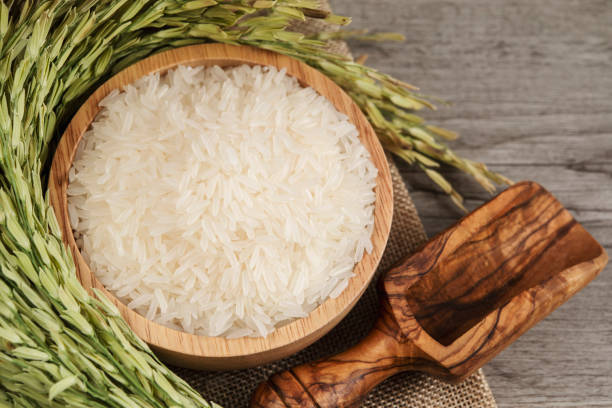
The nutritional value of white rice varies slightly depending on the variety a person chooses. Jasmine rice is available in brown and white colors. Like other types of rice, brown jasmine rice is more nutritious than white. The nutritional value of white jasmine rice is almost identical to that of other types of white rice.
Jasmine rice is a long-grain rice grown mainly in Thailand.
White rice usually refers to a processed form of rice with the husk and bran removed. Jasmine rice is usually white rice The nutritional difference between white jasmine rice and other types of white rice is small, although jasmine rice has a more prominent flavor.
Both jasmine and white rice are less nutritious than whole-grain brown rice. This article compares jasmine to other types of white rice in terms of nutrient profile, taste, appearance, and odor, and which is better for health. It also compares brown rice and white rice, including brown jasmine rice and white jasmine rice.
Jasmine rice vs. white rice
Jasmine and white rice come from the same plant, Oryza sativa, or a common rice plant. Jasmine rice is a long-grain rice. This means that it is longer and thinner than most other varieties of rice. It also tends to have a fluffy texture when cooked and is not soft or lumpy.
White rice is not rice. Rather, the term “white rice” in a more general sense refers to how the manufacturer processed the rice.
There are many different types of white rice. In all white rice, the manufacturer has removed the outer layer of the bran and the hull of the rice. This process results in sweeter and softer rice that people call white rice.
Jasmine rice is usually white rice. Some manufacturers also sell brown varieties of jasmine rice. Brown jasmine rice is more nutritious than white rice. It offers more fiber and protein and has a lower glycemic index (GI).
The nutrient profile of jasmine rice and white rice
White jasmine rice, the most common type of jasmine rice, contains the following nutrients per 100 grams (g) serving:
- Calories: 129
- Fat: 0,46 г
- Carbohydrates: 27,86 г
- Fiber: 0,7 г
- Sugar: 0 г
- Proteins: 2,86 г
The nutritional value of white rice varies slightly depending on the variety that a person chooses.
In terms of nutritional value, each 100-gram serving of long-grain white rice is almost the same as jasmine rice:
- Calories: 114
- Fat: 0 г
- Carbohydrates: 25,71 г
- Fiber: 0,7 г
- Sugar: 0 г
- Proteins: 2,86 г
None of the types of rice contain sufficient amounts of essential vitamins and minerals, such as iron and vitamin D.
Brown rice with jasmine
Brown jasmine rice is a more nutritious form of jasmine rice.
Its nutritional value per 1/4 cup serving:
- Calories: 170
- Fat: 1 г
- Carbohydrates: 34 г
- Fiber: 2 г
- Sugar: 0 г
- Proteins: 3 г
Brown rice, including brown jasmine rice, is healthier for most people than white rice. Its higher fiber and protein content can help a person feel fuller for longer and help control blood glucose levels. Like white rice, brown rice does not contain high amounts of essential vitamins and minerals.
However, analysis of the chemical composition of brown rice shows that it may contain more beneficial phenolic compounds. These are plant compounds that, according to some studies, may be beneficial to health.
Look, smell, and taste
Jasmine rice is very similar to other long-grain white rice. Compared to short-grain white rice, it is about four times longer and much thinner. Long-grain rice, such as jasmine rice, produces fluffier rice when cooked.
Short-grain rice is stickier and more likely to stick together. Jasmine rice has a stronger odor than most other white rice varieties. When cooked, it gives off a leafy plant odor. Some people also compare the smell to popcorn.
The smell of most other types of white rice is lighter and less noticeable – slightly bread-like and starchy. The differences in flavor between jasmine rice and other white rice depending on the specific type of white rice.
In general, white rice is soft and slightly sweet. Jasmine rice is also quite mild. However, some people notice a nutty flavor or say that jasmine rice tastes more like plants.
The smell of rice can affect a person’s perception of its taste. In most dishes, the main factor that determines the flavor will be how a person seasoned the rice.
Which rice is healthier?
White jasmine rice and other types of white rice have an almost identical nutritional profile. Jasmine rice contains slightly more calories and fat than some other white rice varieties, but not enough to significantly affect a person’s nutritional goals or how full they feel after eating.
Because their nutrient profiles are very similar, anyone choosing between white jasmine rice and other forms of white rice may simply want to go with what they think tastes best. Brown jasmine rice is healthier than white jasmine rice in some respects. As a rule, it has more protein and fiber.
Brown jasmine rice contains more calories than white rice. This means that a person will feel fuller for longer after eating-but not so many calories that it can become an obstacle to achieving weight loss goals.
People on calorie-controlled diets can safely eat brown rice and may find that it is a more satisfying alternative to snacking or low-nutrient white rice.


Facebook Comments