 Bella Adams
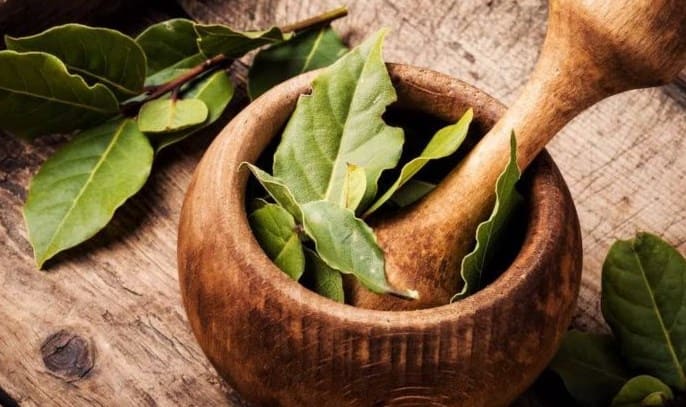
Bay leaf is not only a flavorful seasoning for a delicious dish that has been used since ancient times, but also a miraculous medicine. But like every plant, bay leaves have certain benefits and some contraindications for their use. That’s what we’re going to talk about.
Composition of bay leaf
The chemical composition of bay leaves differs from most spices in several interesting ways:
- formic acid – a natural preservative and natural antibiotic that slows down the decay process;
- acetic acid – a natural preservative, antibiotic;
- butyric acid – provides energy to improve metabolism, and protects the large intestine from diseases;
- caproic acid – has hemostatic and anti-inflammatory effects;
- Lauric acid – increases the level of “good” cholesterol, and has an antiviral effect;
- phytosterols – lowers cholesterol levels;
- linalool – smells like the lily of the valley, calms the nervous and cardiovascular systems;
- camphor;
- starch;
- tannins;
- several aromatic components such as myrcene, limonene, cineole, and others;
vitamins: Vitamin A (PE) 309 mcg, Vitamin B1 (thiamine) 0.009 mg, Vitamin B2 (riboflavin) 0.421 mg, Vitamin B6 (pyridoxine) 1.74 mg, Vitamin B9 (folic) 180 mcg, Vitamin C46.5 mg, Vitamin PP (Niacin equivalent) 2.005 mg; - micro and macro elements: Calcium 834 mg, Magnesium 120 mg, Sodium 23 mg, Potassium 529 mg, Phosphorus 113 mg, Iron 43 mg, Zinc 3.7 mg, Copper 416 mcg, Manganese 8.167 mg, Selenium 2.8 mcg.
The energy value is 313 kilocalories per 100 grams.
The healing properties of bay leaf
Useful properties of bay leaf:
- improves appetite and digestion of food;
- helps to reduce puffiness;
- Bay leaf reduces blood pressure and cleanses blood vessels;
- has a tonic effect, tones up all body systems;
- inhibits tubercle bacillus;
- can be used for the prevention and treatment of fever;
- has diuretic, antifungal, and antibacterial properties;
- It will help to get rid of stomatitis;
- use of bay leaf is indicated in case of nervous system disorders (fatigue, depressive states).
Bay leaf decoction is used to cleanse joints, and the leaf can also be used to treat osteoarthritis and rheumatoid arthritis. A decoction of bay leaves can have a positive effect on the treatment of allergies, including in children.
In folk medicine, it is believed that bay leaf is effective for women’s problems, namely the use of a decoction or infusion of bay leaf helps with amenorrhea – the absence of menstruation during several cycles (not related to pregnancy).
The essential oil obtained from the leaves, flowers, and fruits of laurel has excellent disinfectant and insecticidal properties. Bay leaf oil can be used for facial skin care, in particular for acne, for the treatment of sprains and bruises.
In addition to everything described earlier, bay leaf is used to treat diabetics and even to treat cancer.
The beneficial properties of bay leaves are also used in pediatric therapy. Of course, here it is used only externally. It is believed that if you put fresh or dry leaves next to the crib, the baby stops being capricious and falls asleep well. The bark and leaf of the plant contain tannins and antibacterial substances, phytoncides. A warm decoction of bay leaves is an excellent remedy for sweating, diathesis, and staphylococcus aureus. It can be recommended for infants for daily bathing.
In general, this plant can be used as an auxiliary remedy for fungal infections, conjunctivitis, and psoriasis.
Bay leaf in cooking and nutrition
In cooking, bay leaf gives food a pleasant aroma; it can be put in first courses (borscht, soups), meat and fish dishes, seafood dishes, and vegetables. In addition, fragrant seasoning is appropriate in cereals and sauces. Bay leaf is also quite common in the process of canning various products. It is added to mixtures intended for pickling and marinating vegetables (especially cucumbers, tomatoes, zucchini, beets, squash, cabbage, and others), mushrooms, canned vegetables, meat, and fish.
In the cuisine of Western Europe, bay leaf is added to drinks, desserts, and some types of jams during preservation. In the food industry, spice is used in the production of sausages, sauces, pates, cheeses, marinades, ketchup, mayonnaise, and other products. One of the advantages of bay leaf is that it goes well with other types of spices, namely sage, cloves, fresh or dried rosemary, allspice and hot pepper, thyme, parsley, and dill. Laurel is also great with legumes (in particular, peas, beans, and lentils).
The main thing to remember is the basic rule of bay leaves: add them to soups 4-5 minutes before the end of cooking and then remove them. In main courses, the aromatic leaves can be added almost immediately; if the dish is cooked for a long time, then 10-15 minutes before the end. But again, take them out after cooking!
Bay leaves help to cleanse the body of toxins, toxins, and salts. Thanks to these properties, this spice is often used by people who want to lose extra pounds – it is used to make various infusions, decoctions, and teas. All of this can bring a certain cleansing effect, however, such methods should not be abused and it should be remembered that the plant has a very powerful diuretic effect.
The disadvantages of using bay leaves during diets include the ability to provoke constipation, so be sure to consider this feature before starting a cleanse. You should not use bay infusions and decoctions for weight loss for too long, as this can provoke severe dehydration. Plus, along with the fluid, there is a loss of nutrients, such as potassium, which can have negative effects on the cardiovascular system.
It is necessary to organize your diet properly: choose hearty and healthy dishes for breakfast, first courses cooked in low-fat broth for lunch, and a light salad of vegetables, boiled fish, and meat for dinner. The diet should include plenty of fresh fruits, vegetables, and herbs. If you also add to all this in moderation infusions and teas on bay leaves, you can quickly and without unpleasant consequences say goodbye to extra pounds.
You can store dry bay leaves for about a year, so when buying them, look carefully at when they were produced. It is better to buy fresh leaves – now it is quite affordable.
Today, pressed or granulated bay leaves are often sold, but they may well consist of waste, the debris that is formed when the whole bay leaf is dried, and they also make the broth cloudy and unattractive. Its taste is also not always great, so it is better to buy and use a whole bay leaf.
Bay leaf contraindications
Bay leaf is used with caution in case of low blood pressure, and heart and liver pathologies. Preparations based on the plant are contraindicated in the following diseases and disorders
- gastrointestinal ulcers;
- frequent constipation;
- low blood clotting ability and increased bleeding;
- renal failure;
- amyloidosis – a disorder of protein metabolism.
Bay leaf as a remedy is contraindicated for nursing mothers, as well as during pregnancy, as it stimulates the activity of the uterus, which can lead to premature birth and miscarriage.
Now you know all the beneficial and harmful properties of bay leaf, which means you can use it correctly. Eat with taste and stay healthy.


Facebook Comments