 John Myers
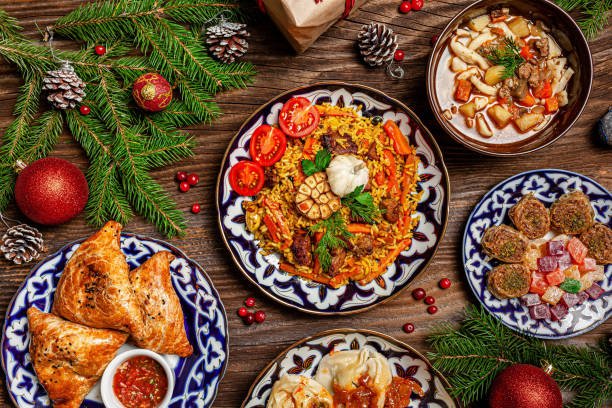
Introduction: The Richness of Indian Cuisine
Indian cuisine is known for its richness, diversity, and complexity. With over 29 states and their distinct cultures, Indian cuisine offers a wide range of flavors, spices, and ingredients. Indian lunch cuisine is no exception, and it offers a variety of dishes to explore. From vegetarian dishes to non-vegetarian, from street food to fine dining, Indian cuisine has something for everyone.
Indian food has a long history, dating back to the Indus Valley Civilization. The cuisine has evolved over time, influenced by religion, invasions, and trade with other cultures. From the Mughal era to British colonialism, the Indian cuisine has been shaped by different cultures, resulting in a rich and diverse culinary heritage. Today, Indian cuisine is recognized globally for its bold flavors, distinctive spices, and unique cooking techniques.
Popular Indian Lunch Options to Try
Indian lunch options are endless, and it can be overwhelming to decide what to try. Some popular Indian lunch options are biryani, butter chicken, dal makhani, chana masala, and samosas. Biryani is a rice dish with meat or vegetables and spices, cooked together in layers. Butter chicken is a creamy chicken dish cooked in a tomato-based sauce. Dal makhani is a lentil-based dish, and chana masala is a chickpea-based dish, both cooked in a tomato-based sauce. Samosas are fried or baked pastries filled with savory fillings like potatoes, peas, or meat.
For those who prefer non-vegetarian dishes, Indian cuisine offers a variety of meat-based dishes like chicken tikka, tandoori chicken, and lamb rogan josh. Chicken tikka is marinated chicken cooked on skewers in a clay oven. Tandoori chicken is a popular dish where chicken is marinated in yogurt and spices and cooked in a tandoor, a clay oven. Lamb rogan josh is a lamb-based curry, cooked in a tomato-based sauce with spices.
Exploring Vegetarian Indian Lunches
Indian cuisine offers a plethora of vegetarian options for lunch. One popular vegetarian dish is paneer tikka, where paneer, a type of Indian cheese, is marinated and cooked in a clay oven. Another popular option is baingan bharta, a dish made with roasted eggplant, spices, and tomatoes. Palak paneer is another vegetarian dish, where paneer is cooked in a spiced spinach-based sauce.
For those who prefer lentil-based dishes, dal fry or dal tadka are great options. Dal fry is a lentil-based dish cooked in a tomato-based sauce, and dal tadka is tempered lentils flavored with spices.
An Introduction to Spices in Indian Cuisine
Indian cuisine is known for its bold flavors and unique spices. The spices used in Indian cuisine vary, but some commonly used spices include cumin, coriander, turmeric, ginger, and cardamom. These spices are often ground and used to make spice mixes like garam masala or curry powder.
Spices are used in different ways in Indian cuisine. They can be used to flavor the oil or ghee used in cooking, added to the dish during cooking, or used as a garnish. The use of spices in Indian cuisine is not only for flavor but also for their medicinal properties.
Indian Bread: A Staple of Indian Lunches
Indian bread or roti is a staple of Indian lunch cuisine. It is often served with curries or used as a wrap for sandwiches. There are different types of Indian bread, including naan, chapati, and paratha. Naan is a leavened bread cooked in a tandoor, while chapati is a flatbread made with wheat flour. Paratha is a layered flatbread made with wheat flour, and it is often stuffed with vegetables or meat.
Understanding Indian Chutneys and Pickles
Indian chutneys and pickles are a great way to add flavor to any Indian lunch. Chutneys are made with herbs, spices, and fruits, while pickles are made with vegetables or fruits preserved in oil or vinegar. Some popular chutneys include mint chutney, tamarind chutney, and coriander chutney. Pickles can be sweet, sour, or spicy and may include ingredients like mangoes, lime, or carrots.
A Guide to Indian Rice Dishes for Lunch
Rice is a staple in Indian cuisine and is often served with curries or biryanis. Some popular rice dishes include biryani, pulao, and lemon rice. Biryani is a rice dish with meat or vegetables and spices, cooked together in layers. Pulao is a rice dish cooked with vegetables or meat, and it is often flavored with spices. Lemon rice is a rice dish cooked with lemon juice and spices and is often served as a side dish.
Indian Street Food: Lunchtime Delights
Indian street food is a popular lunch option for many people in India. It is affordable, delicious, and offers a variety of flavors and textures. Some popular street food options include chaat, vada pav, and samosas. Chaat is a savory snack made with a variety of ingredients like potatoes, chickpeas, and tamarind chutney. Vada pav is a vegetarian snack made with a potato-based filling, served in a bread bun. Samosas are fried or baked pastries filled with savory fillings like potatoes, peas, or meat.
The Health Benefits of Indian Lunches
Indian cuisine is known for its use of spices and herbs, which offer a range of health benefits. Turmeric, for example, is known for its anti-inflammatory and antioxidant properties. Ginger is known for its anti-nausea and anti-inflammatory properties. Garlic is known for its immune-boosting properties. Indian cuisine also offers a variety of vegetarian options, which are often high in fiber and nutrients.
Indian Sweet Treats: Desserts for Lunch
Indian cuisine offers a variety of sweet treats, which are often served after lunch. Some popular Indian sweets include gulab jamun, rasgulla, and barfi. Gulab jamun is a deep-fried dough ball soaked in sugar syrup. Rasgulla is a spongy ball made with cheese curds and soaked in syrup. Barfi is a sweet made with condensed milk and sugar, flavored with nuts or fruits.
In conclusion, Indian lunch cuisine offers something for everyone, whether you prefer vegetarian or non-vegetarian dishes, spicy or mild flavors, or street food or fine dining. With its rich history, diverse culture, and unique spices, Indian cuisine is worth exploring.



Facebook Comments