 John Myers
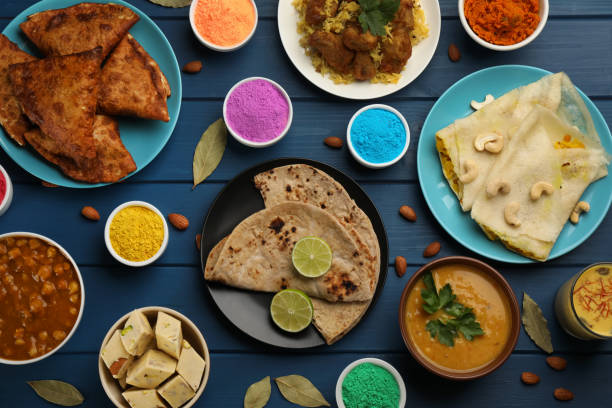
Introduction: Discover the Delightful World of Indian Lunches
Indian cuisine is known for its rich flavors, spices, and vibrant colors. Among the various meals of the day, lunch is considered the most important meal in Indian culture. It is a time for families to come together and share a variety of delicious dishes that have been passed down through generations. For anyone looking to experience the true essence of Indian cuisine, exploring traditional Indian lunch menus is a must.
A Brief Overview of Indian Cuisine: Spices, Ingredients, and Flavors
Indian cuisine is heavily influenced by the country’s diverse geography, history, and cultural traditions. The use of spices like cumin, coriander, turmeric, and chili peppers is common in Indian cooking. Ingredients such as rice, lentils, and vegetables are staples in most Indian meals, while meat and seafood are also popular in many regions. Indian cuisine is known for its distinct flavors and textures, ranging from tangy and spicy to sweet and savory.
What’s Common in Traditional Indian Lunch Menus?
Traditional Indian lunch menus typically consist of a balanced mix of carbohydrates, proteins, and vegetables. Rice or roti (flatbread) is served with a variety of curries, which can be vegetarian or non-vegetarian. Dal (lentil soup), raita (a yogurt-based side dish), and salad are also common accompaniments. Indian meals often end with a sweet dessert or a refreshing drink.
Regional Variations: From North to South, East to West
India is a diverse country, and its cuisine reflects this diversity. The food in the north is heavily influenced by Mughlai cuisine and is characterized by the use of rich, creamy gravies and tandoori dishes. South Indian food is known for its use of coconut, curry leaves, and mustard seeds, with rice-based dishes like dosas and idlis being popular. East Indian cuisine is heavily influenced by Bengali and Assamese cooking styles, while West Indian food is known for its spicy flavors and seafood dishes.
Vegetarian or Non-vegetarian: What Should You Choose?
Vegetarianism is a common dietary preference in India, with many delicious vegetarian options available. However, there are also plenty of non-vegetarian dishes to choose from, such as chicken, lamb, and seafood curries. Many Indian restaurants also offer a mix of vegetarian and non-vegetarian options, making it easy for diners to try a bit of everything.
Appetizers and Starters: From Samosas to Chaats
Indian appetizers and starters are a great way to start any meal. Samosas (triangular-shaped pastry filled with spiced potatoes or meat), pakoras (vegetables or meat fritters), and chaats (a savory snack made with fried dough, potatoes, and chickpeas) are popular options.
Main Courses: Rice, Rotis, and Curries
Indian main courses are typically served with rice or roti. Popular curries include butter chicken, chicken tikka masala, and chana masala (chickpea curry). Vegetarian options like paneer butter masala (cottage cheese curry) and aloo gobi (potato and cauliflower curry) are also delicious.
Desserts and Sweets: Gulab Jamun, Ras Malai, and More
Indian desserts are known for their sweetness and richness. Gulab jamun (deep-fried milk balls soaked in syrup), ras malai (cottage cheese dumplings in sweetened milk), and kulfi (Indian ice cream) are popular choices.
Beverages: Lassi, Masala Chai, and More
Lassi (a yogurt-based drink) and masala chai (spiced tea) are two popular Indian beverages. Other options include sweet lassi, mango lassi, and nimbu pani (lemonade).
Tips for Enjoying an Authentic Indian Lunch Experience
To enjoy an authentic Indian lunch experience, it’s best to try regional specialties and experiment with different flavors and spices. Don’t be afraid to ask for recommendations from the staff or other diners. And most importantly, enjoy the feast and the company of your loved ones.


Facebook Comments