 John Myers
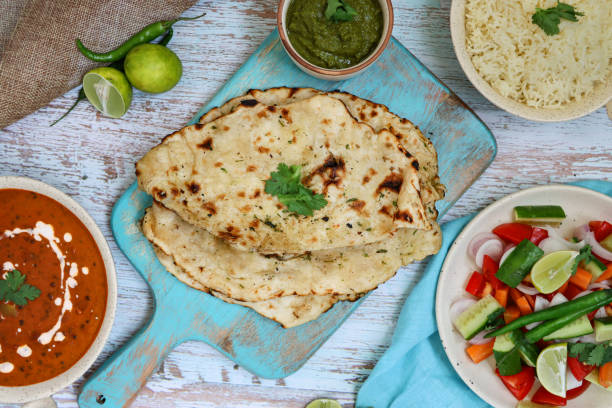
What is an Idli?
Idli is a popular and traditional Indian dish that is widely consumed across the country. It is a soft and fluffy rice cake that is typically served for breakfast or as a snack. The dish is made from a batter of fermented rice and lentils, which is steamed to perfection in small, round molds. Idli has a mild and slightly tangy flavor, and is a favorite among people of all ages.
History of the Idli
The origins of idli can be traced back to the southern Indian state of Tamil Nadu, where it is believed to have been part of the local cuisine for over a thousand years. In the past, idli was made using a variety of grains, including millet and barley, but over time, rice became the primary ingredient. The fermentation process used in the preparation of idli is said to have been discovered by accident, when a mix of rice and urad dal (lentils) was left to ferment overnight. Today, idli is a staple food in many parts of India and is enjoyed by millions of people worldwide.
Ingredients of Idli
The basic ingredients used in the preparation of idli are rice and urad dal (black lentils). The rice is typically a short-grain variety, such as parboiled or sona masuri, and the dal is usually whole or split. The two ingredients are soaked separately for several hours, then ground together to form a smooth batter. Salt is added to the batter before it is left to ferment overnight. Some variations of idli may include additional ingredients, such as fenugreek seeds, grated coconut, or cooked rice.
Nutritional Value of Idli
Idli is a low-calorie, high-fiber, and nutrient-dense food that is packed with essential vitamins and minerals. A typical serving of idli (2 pieces) contains around 70-80 calories, 2-3 grams of protein, 1-2 grams of fat, and 14-16 grams of carbohydrates. It is also a good source of dietary fiber, iron, calcium, and other micronutrients.
Health Benefits of Idli
Idli is not only delicious but also has numerous health benefits. As a fermented food, idli helps to improve digestion and promote the growth of healthy gut bacteria. It is also a low-glycemic index food, which means it helps to regulate blood sugar levels. The high fiber content in idli helps to keep you feeling full and satisfied for longer periods, which can aid in weight management. Additionally, idli is gluten-free and can be enjoyed by people with celiac disease or gluten intolerance.
Regional Variations of Idli
Idli has several regional variations across India, each with their unique flavors and preparation methods. For example, in the southern states of Andhra Pradesh and Telangana, idli is often made with a mix of rice and rava (semolina). In the western state of Gujarat, a popular variation is called “khichu,” which is made with roasted rice flour and seasoned with spices. In the northern state of Uttar Pradesh, idli is made using cornmeal, and in the eastern state of West Bengal, it is made with a mix of rice and lentil flours.
How to Make Idli
To make idli, first, soak 2 cups of rice and 1 cup of urad dal in separate bowls for at least 4-6 hours. Grind them separately in a blender until smooth, then mix them together to form a batter. Add salt to taste and leave the batter to ferment overnight or for 8-10 hours. The next day, grease idli molds with oil, pour the batter into them, and steam for 10-12 minutes until fully cooked. Serve hot with chutney or sambar.
Popular Accompaniments for Idli
Idli is typically served with a variety of accompaniments, including chutneys, sambar, and podi. Coconut chutney, made with grated coconut, green chilies, ginger, and spices, is a popular choice. Sambar, a lentil-based vegetable soup, is another classic accompaniment that complements the mild flavors of idli. Podi, a spice mix made with roasted lentils, chilies, and other spices, is sprinkled over idlis for added flavor.
Idli in Indian Culture
Idli has a special place in Indian culture and is often associated with health and wellness. It is a popular food offering in many Hindu temples and is also served on special occasions like weddings and festivals. In some regions, idli is also considered a sacred food and is believed to have a purifying effect on the body.
Conclusion: Why You Should Try Idli
Idli is a delicious and healthy dish that has been enjoyed by generations of Indians. It is easy to make, versatile, and can be customized to suit different tastes and dietary preferences. Whether you are looking for a healthy breakfast option or a tasty snack, idli is an excellent choice. So why not give it a try and discover the many flavors and variations of this iconic Indian dish?


Facebook Comments