 John Myers
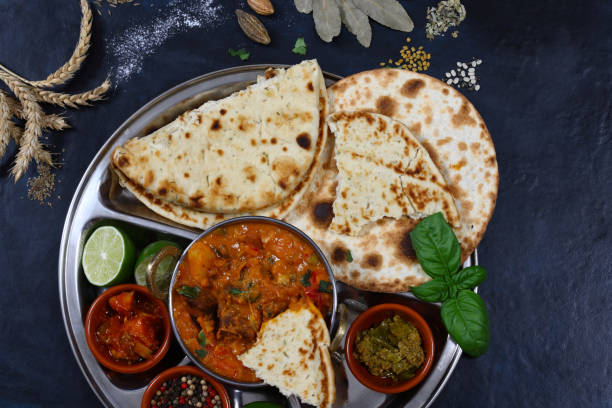
Introduction to South Indian Cuisine
South Indian cuisine is a rich and diverse culinary tradition that has developed over thousands of years. It is characterized by its use of rice, lentils, and a wide variety of spices and herbs. South Indian food is also known for its vegetarianism, with many dishes incorporating vegetables, legumes, and dairy products.
The cuisine of South India has been shaped by a number of different factors, including geography, climate, religion, and history. The region’s proximity to the sea has influenced its use of seafood, while the hot and humid climate has led to the development of cooling dishes like yogurt-based curries. The influence of Hinduism and other religions has also played a role in shaping the cuisine, with many dishes being vegetarian or incorporating religiously significant ingredients.
The Unique Flavors of South India
One of the defining features of South Indian cuisine is its unique and complex flavor profile. The cuisine makes use of a wide variety of spices and herbs, including turmeric, cumin, coriander, ginger, garlic, and curry leaves. These spices are often roasted and ground into a blend called masala, which is used to flavor dishes like sambar and rasam.
In addition to spices, South Indian cuisine also makes use of a variety of souring agents like tamarind, lemon juice, and tomato. These ingredients give dishes like puliyogare and lemon rice their distinct tangy flavor. South Indian food also makes use of coconut, both in its fresh and dried forms. Coconut adds a rich, creamy texture to dishes like coconut chutney and coconut-based curries.
The Significance of Spices in South Indian Cooking
Spices are a crucial component of South Indian cuisine, and are used for both flavoring and medicinal purposes. Many of the spices used in South Indian cooking have anti-inflammatory and anti-bacterial properties, and are believed to be beneficial for digestion and overall well-being.
One of the most important spices in South Indian cuisine is turmeric, which has been used for centuries for its medicinal properties. Turmeric is believed to have anti-inflammatory and anti-cancer properties, and is used in dishes like sambar and rasam. Other important spices in South Indian cuisine include cumin, coriander, fenugreek, and mustard seeds.
The Role of Rice in South Indian Cuisine
Rice is a staple food in South India, and is used in a variety of dishes including dosas, idlis, and biryanis. South India is home to many different varieties of rice, including basmati, ponni, and sona masuri. Rice is often served with a variety of side dishes and accompaniments, including chutneys, sambar, and curries.
In addition to being a staple food, rice also has cultural significance in South Indian cuisine. It is often used in religious ceremonies and festivals, and is considered a symbol of prosperity and fertility. The harvesting of rice is also an important cultural event, with many communities celebrating the harvest season with feasts and rituals.
Vegetarianism and South Indian Cuisine
One of the defining features of South Indian cuisine is its vegetarianism. Many South Indian dishes are completely vegetarian, and even those that do incorporate meat often use it sparingly. This is due in part to the influence of Hinduism and other religions, which emphasize non-violence and the importance of vegetarianism.
Vegetarianism is also a practical choice in South India, where the hot and humid climate makes it difficult to preserve meat. Instead, South Indian cuisine makes use of a variety of vegetarian proteins, including lentils, legumes, and dairy products. These ingredients are often used to make dishes like dal, sambar, and yogurt-based curries.
Popular South Indian Dishes You Must Try
There are many delicious South Indian dishes to try, each with its own unique flavor and preparation method. Some of the most popular dishes include dosas, idlis, vadas, and sambar. Dosas are thin, crispy pancakes made from a fermented batter of rice and urad dal, while idlis are steamed rice cakes made from a similar batter. Vadas are deep-fried lentil fritters, while sambar is a spicy, sour soup made with vegetables and lentils.
Other popular South Indian dishes include biryani, a fragrant rice dish made with spices and vegetables or meat, and rasam, a tangy soup made with tamarind and tomato. Coconut chutney and tomato-based chutneys are also popular accompaniments to many South Indian dishes.
The Art of South Indian Street Food
South Indian street food is a vibrant and colorful world of flavors and textures. From crispy dosas to spicy vadas, street vendors in South India offer a wide variety of delicious and affordable snacks and meals.
Some of the most popular South Indian street food dishes include masala dosa, a crispy pancake filled with spiced potatoes and onions, and pani puri, a small fried bread filled with chickpeas and spicy water. Other popular street food dishes include bhel puri, a savory snack made with puffed rice and vegetables, and samosas, deep-fried turnovers filled with spiced potatoes.
The Rich History and Culture of South Indian Food
South Indian cuisine has a rich and diverse history that is deeply intertwined with the region’s culture and traditions. The cuisine has been shaped by a number of different factors, including geography, climate, religion, and history.
Over the centuries, South Indian cuisine has been influenced by a variety of different cultures and cuisines, including those of the Mughals, British, and Portuguese. These influences can be seen in dishes like biryani, which incorporates Persian and Central Asian flavors, and vindaloo, a spicy pork dish with Portuguese origins.
Health Benefits of South Indian Spices and Ingredients
Many of the spices and ingredients used in South Indian cuisine have significant health benefits. Turmeric, for example, has anti-inflammatory and anti-cancer properties, while ginger is believed to aid digestion and relieve nausea. Other spices like cumin, coriander, and fenugreek are also believed to have medicinal properties.
In addition to spices, South Indian cuisine makes use of a wide variety of vegetables, legumes, and dairy products, all of which are rich in essential nutrients. Many South Indian dishes are also low in fat and cholesterol, making them a healthy choice for those looking to maintain a balanced diet.
Exploring South Indian Cuisine Beyond the Borders of India
South Indian cuisine has gained popularity around the world, with restaurants and food trucks serving up dishes like dosas, idlis, and samosas in cities across the globe. These dishes are often adapted to local tastes and ingredients, resulting in unique and delicious variations on traditional South Indian cuisine.
In addition to restaurants and food trucks, travelers can also explore South Indian cuisine by visiting local markets and food stalls. These places offer a chance to try authentic South Indian dishes made by local cooks using traditional ingredients and techniques. Whether you’re a seasoned foodie or just starting to explore the world of South Indian cuisine, there is something for everyone to discover and enjoy.


Facebook Comments