 John Myers
Introduction: Indian Cuisine and Roti
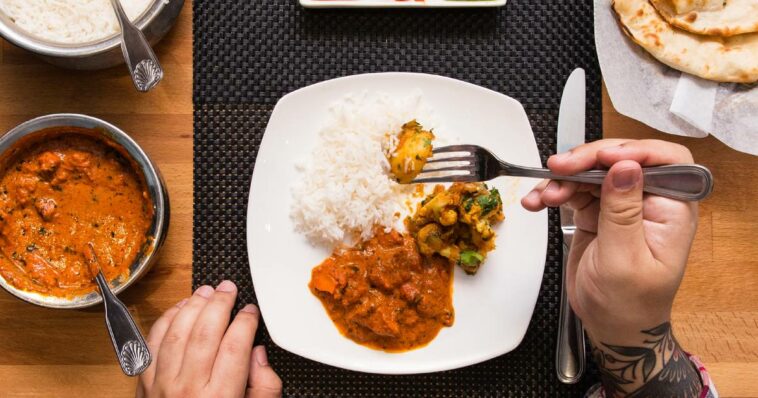
Indian cuisine is known for its diverse range of flavors, spices, and textures. It is a reflection of the country’s rich history and cultural heritage. One of the staple dishes of Indian cuisine is roti, a type of flatbread made from wheat flour. It is a versatile dish that can be enjoyed with a variety of curries, vegetables, and lentils.
Origins of Roti: A Brief History
Roti has been a part of Indian cuisine for centuries. It is believed to have originated in the Indian subcontinent and was introduced during the Indus Valley Civilization. The earliest form of roti was made from millet and was known as “biscuit bread”. Over time, wheat flour replaced millet, and the bread evolved into the flatbread we know today. Roti also has historical significance as it was used as a symbol of resistance during India’s struggle for independence. Mahatma Gandhi, the father of the nation, used roti as a symbol of self-sufficiency and as a way to bring people together during the freedom movement.
Types of Roti: Popular Varieties
Roti comes in various shapes, sizes, and flavors. Some of the popular types of roti include chapati, naan, paratha, and puri. Chapati is a simple, unleavened flatbread made with wheat flour. Naan is a leavened bread made with all-purpose flour and is typically cooked in a tandoor oven. Paratha is a layered flatbread that is made by folding the dough multiple times. Puri is a deep-fried bread that is usually served with spicy curries.
Ingredients of Traditional Roti
The main ingredient in traditional roti is wheat flour. It is mixed with water and sometimes oil or ghee to form a dough. Other ingredients such as salt and sugar may also be added for flavor. However, the key to making soft and fluffy rotis is to knead the dough well and to let it rest for a while before rolling it out.
The Art of Roti-Making: Techniques
Making roti is an art, and it requires skill and practice. The dough is rolled out into thin circles and then cooked on a tawa or griddle. As the roti cooks, it puffs up, creating air pockets that give it a soft and fluffy texture. The art of roti-making lies in the technique of flipping the roti and cooking it evenly on both sides.
Savoring Roti with Indian Curries
Roti is usually enjoyed with a variety of curries, vegetables, and lentils. Some of the popular Indian curries include butter chicken, chana masala, and palak paneer. The soft texture of the roti complements the spicy and flavorful curries, making it a perfect combination.
The Health Benefits of Roti
Roti is a healthy alternative to other types of bread as it is made from whole wheat flour. It is high in fiber and provides essential nutrients such as protein, vitamins, and minerals. Roti is also low in fat, making it a great choice for those looking to maintain a healthy diet.
Roti and Indian Festivals
Roti is an integral part of Indian festivals and celebrations. It is often served as part of a traditional feast during festivals such as Diwali, Holi, and Eid. Roti is also a symbol of hospitality and is offered to guests as a sign of respect and welcome.
How to Make Roti at Home
Making roti at home is relatively easy and requires only a few ingredients. To make the dough, mix whole wheat flour with water and knead it until it is smooth. Let the dough rest for about 30 minutes before rolling it out into thin circles. Cook the roti on a heated tawa or griddle for about 30 seconds on each side until it puffs up.
Conclusion: The Significance of Roti in Indian Culture
Roti is more than just a type of bread; it is a symbol of Indian culture and tradition. It has played a vital role in the country’s history and continues to be an essential part of Indian cuisine. The art of roti-making has been passed down from generation to generation, making it a cherished skill in Indian households. With its health benefits, versatility, and delicious taste, roti will continue to be a staple food in Indian cuisine for years to come.


Facebook Comments