 John Myers
Introduction: Understanding Indian cuisine for fever
Indian cuisine is known for its wide range of spices and herbs, which have been used for centuries to treat various ailments, including fever. Indian food is not only delicious but also has many health benefits that can help soothe fever symptoms. Whether you are a vegetarian or a non-vegetarian, Indian cuisine has something for everyone to manage fever.
In this guide, we will explore the science behind Indian spices and their healing properties, dos and don’ts of Indian cuisine for fever management, the best Indian dishes to soothe fever symptoms, vegan and non-vegetarian Indian recipes for fever relief, drinks that can help reduce fever, Indian desserts to calm down feverish bodies, and tips and tricks for using Indian cuisine for fever in children.
The science behind Indian spices and their healing properties
Indian spices are not just used for flavor, but they also have medicinal properties. The most commonly used spices in Indian cuisine are turmeric, ginger, garlic, cumin, coriander, and cardamom. Turmeric, for example, has anti-inflammatory and antioxidant properties that can help reduce fever, while ginger has natural antiviral and antibacterial properties that can help fight infections.
Garlic is another powerful spice that can help boost the immune system, while cumin is known for its anti-inflammatory and antimicrobial properties. Coriander, on the other hand, is rich in vitamins and minerals that can help strengthen the body’s immune system, and cardamom is known for its digestive and anti-inflammatory properties.
Dos and don’ts of Indian cuisine for fever management
When it comes to using Indian cuisine for fever management, there are some dos and don’ts that you should keep in mind. Do eat light and easy-to-digest meals, such as soups, stews, and broths, and avoid heavy and spicy foods that can irritate the stomach.
Do drink plenty of fluids, such as water, coconut water, and herbal tea, to stay hydrated and flush out toxins from the body. Don’t eat cold or raw foods, such as salads and fruits, as they can make the fever worse. Don’t consume alcohol or caffeine, as they can dehydrate the body and make the fever worse.
Best Indian dishes to soothe fever symptoms
If you are looking for the best Indian dishes to soothe fever symptoms, you can try khichdi, a simple dish made with rice, lentils, and mild spices, or dal soup, a lentil-based soup that is easy to digest and rich in protein. You can also try vegetable soup, chicken soup, or mutton soup, depending on your preference.
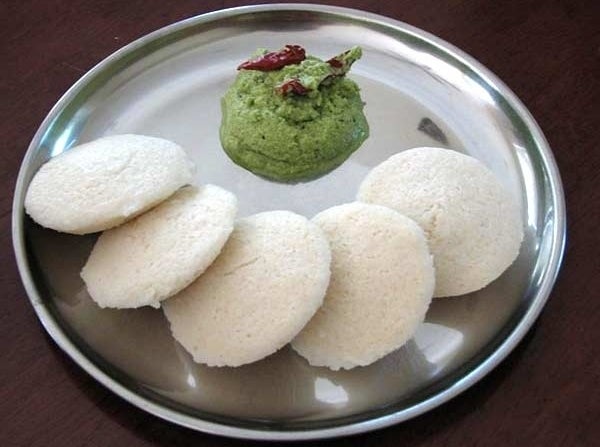
For breakfast or snacks, you can try idli, dosa, or upma, which are easy to digest and light on the stomach. You can also try vegetable stew or sambar, which are made with a variety of vegetables and mild spices.
Vegan Indian recipes for fever relief
If you are a vegan, you can try vegan Indian recipes for fever relief, such as vegan khichdi, vegetable dal soup, or vegetable stew. You can also try vegan dosa or vegan upma, which are easy to make and delicious.
Non-vegetarian Indian dishes for fever management
If you are a non-vegetarian, you can try non-vegetarian Indian dishes for fever management, such as chicken soup, mutton soup, or fish soup. You can also try chicken curry, mutton curry, or fish curry, which are rich in protein and have mild spices.
Drinks that can help reduce fever in Indian cuisine
When it comes to drinks that can help reduce fever in Indian cuisine, you can try herbal tea, such as tulsi tea, ginger tea, or lemongrass tea, which have natural antiviral and antibacterial properties. You can also try coconut water, which is rich in electrolytes and can help keep you hydrated.
Indian desserts to calm down feverish bodies
If you have a sweet tooth, you can try Indian desserts to calm down feverish bodies, such as kheer, a rice pudding made with milk and sugar, or fruit custard, which is made with fresh fruits and custard.
Indian cuisine for fever in children: Tips and tricks
When using Indian cuisine for fever in children, it is essential to make sure that the food is easy to digest and not too spicy. You can also try making vegetable or chicken soup and adding mild spices, such as cumin and coriander, to it. You can also make khichdi with vegetables or lentils to make it more nutritious.
Conclusion: Incorporating Indian cuisine in fever management
Incorporating Indian cuisine in fever management can be a great way to soothe fever symptoms and boost the immune system. Whether you are a vegetarian or a non-vegetarian, there are many delicious and healthy Indian dishes that you can try to manage fever. Just remember to eat light, stay hydrated, and avoid spicy and heavy foods.


Facebook Comments