 John Myers

Introduction: Mongolian Wedding Food Traditions
Mongolian weddings are known for their vibrant and colorful celebrations, rich cultural traditions, and delicious food. The cuisine of Mongolia reflects the country’s nomadic lifestyle, harsh climate, and the influence of its neighbors, China and Russia. Mongolian wedding food is an essential part of the celebrations and is served in abundance to guests throughout the festivities.
The Importance of Food in Mongolian Weddings
Food plays a vital role in Mongolian weddings, and it is considered a symbol of hospitality, generosity, and respect. Mongolian families take great pride in their culinary skills, and weddings provide an opportunity to showcase their best dishes to friends and relatives. The abundance and variety of food served at the wedding also reflect the prosperity and social status of the families involved.
Traditional Foods Served in Mongolian Weddings
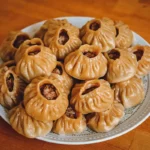
Mongolian wedding food typically includes a wide range of meat dishes, such as lamb, beef, and horse, along with dairy products such as milk, yogurt, and cheese. Popular dishes include buuz (steamed meat dumplings), khuushuur (deep-fried meat pockets), and boortsog (fried dough). Other common foods include soups, stews, and salads made with vegetables and herbs.
The Ceremony of Offering Milk Tea and Meat
One of the most significant traditions in Mongolian weddings is the ceremony of offering milk tea and meat to the bride and groom. This ceremony symbolizes the couple’s union and the sharing of food, which is considered a sacred act in Mongolian culture. The bride and groom are presented with a bowl of milk tea and a plate of meat, which they must drink and eat together as a sign of their commitment to each other.
Commonly Used Ingredients in Mongolian Wedding Dishes
Mongolian cuisine is heavily influenced by the country’s nomadic lifestyle, and as such, it relies heavily on meat and dairy products. Commonly used ingredients in Mongolian wedding dishes include lamb, beef, and horse meat, as well as milk, yogurt, and cheese. Vegetables and herbs such as carrots, onions, garlic, and parsley are also used in many dishes.
The Significance of Sharing Food in Mongolian Culture
Sharing food is an essential part of Mongolian culture, and it is considered a way to build and strengthen relationships with others. Mongolian families take great pride in their hospitality and generosity, and guests are always treated to an abundance of food and drink. Sharing food is also seen as a way to connect with nature and the environment, as many Mongolian dishes are made with ingredients that are locally sourced and reflect the country’s harsh climate and rugged terrain.


Facebook Comments