 John Myers

Introduction: Paraguayan Dining Culture
Paraguay, a landlocked country in South America, boasts a rich culinary culture that is deeply rooted in its history and traditions. Paraguayans are known for their love of food and their appreciation for quality ingredients and home-cooked meals. The country’s cuisine is a unique blend of European, African, and indigenous influences, which has led to the creation of a variety of delicious and hearty dishes.
For Paraguayans, food is not just about nourishment, but also about socializing and bringing people together. The dining table is often the center of family life, where stories are shared, jokes are told, and memories are made. Paraguayans take pride in their culinary heritage, and traditional dishes and recipes are often passed down from generation to generation.
Traditional Meal Times in Paraguay
Paraguayans typically eat three meals a day, with lunch being the largest and most important meal of the day. Lunch is usually eaten between 12 pm and 2 pm and often consists of a hearty soup or stew, followed by a main course of meat, rice, and vegetables. Breakfast, which is a lighter meal, usually consists of bread, coffee, and juice, and is eaten between 6 am and 8 am. Dinner is typically a smaller meal and is eaten between 7 pm and 9 pm.
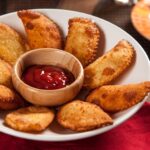
In addition to these three main meals, Paraguayans also enjoy snacks throughout the day, such as empanadas (savory pastries filled with meat or cheese), chipa (a type of bread made from cassava flour), and mandioca (boiled cassava). These snacks are often sold by street vendors and are a popular choice for a quick and satisfying bite.
Paraguayan Cuisine and Ingredients
Paraguayan cuisine is known for its use of fresh, locally sourced ingredients. Meat, particularly beef and pork, is a staple of Paraguayan cuisine, and is often grilled or roasted over an open flame. Rice and corn are also commonly used in Paraguayan dishes, as well as cassava, which is a starchy root vegetable that is a staple food in many parts of South America.
Other popular ingredients in Paraguayan cuisine include onions, tomatoes, bell peppers, and garlic, which are used to add flavor to stews, soups, and other dishes. Herbs such as oregano, thyme, and parsley are also commonly used in Paraguayan cooking.
Etiquette and Customs for Dining in Paraguay
Paraguayans take their dining customs and etiquette seriously. When invited to a Paraguayan home for a meal, it is customary to arrive on time and to bring a small gift, such as a bottle of wine or a box of chocolates. When sitting down to eat, it is important to wait for the host to begin eating before starting your own meal.
In Paraguay, it is also considered polite to finish everything on your plate, as leaving food behind is seen as wasteful. It is also customary to compliment the cook on the food, as a way of showing appreciation for the effort that went into preparing the meal.
Popular Paraguayan Meals and Beverages
Some of the most popular dishes in Paraguayan cuisine include asado (grilled meats), sopa paraguaya (a cornbread-like dish made with cheese and onions), and chipa guazu (a dish made with corn, cheese, and onions). Other popular dishes include bori bori (a chicken and corn soup), vori vori (a meatball soup), and mbeju (a type of pancake made with cassava flour).
When it comes to beverages, terere (a type of cold herbal tea) is a staple in Paraguayan culture and is often shared with friends and family. Another popular drink is cocido con leche (tea with milk), which is often served with bread or pastries.
Conclusion: Enjoying Paraguayan Dining Experiences
Paraguayans take great pride in their culinary heritage, and their love of food and appreciation for quality ingredients is evident in their dishes. Whether dining at home or in a restaurant, Paraguayan cuisine is a delicious and satisfying experience that is sure to leave a lasting impression on anyone who tries it. By following the customs and etiquette of Paraguayan dining culture, visitors can fully immerse themselves in the country’s rich culinary traditions and enjoy a unique and memorable dining experience.


Facebook Comments