 John Myers
Introduction: Understanding Swedish dining culture
Swedish dining culture is centered around the concept of “lagom,” which means “just the right amount.” Swedes value simplicity and minimalism in their meals, and they strive to achieve balance between flavor, texture, and presentation. Meals are often enjoyed in a relaxed and casual atmosphere, and there is a focus on quality ingredients and sustainable practices. Socializing is also an important part of Swedish dining culture, as meals are often shared with friends and family.
A focus on quality ingredients and sustainable practices
Swedes take great pride in their use of locally sourced, fresh, and organic ingredients. They believe that the quality of the ingredients is essential to the overall taste and enjoyment of a meal. Additionally, Swedes are known for their commitment to sustainability and eco-friendliness, with many restaurants and cafes actively working to reduce waste and carbon emissions. This focus on quality and sustainability is reflected in the popularity of farmers’ markets and food co-ops throughout the country.
The importance of fika: coffee breaks and pastry snacks
Fika, which roughly translates to “coffee break,” is a cherished Swedish tradition that involves taking a break from work or daily activities to enjoy a cup of coffee and a pastry. Fika is more than just a quick snack, however; it is a time to connect with others and slow down from the busyness of the day. Swedes often take multiple fika breaks throughout the day, and it is not uncommon for workplaces to schedule designated fika times.
Mid-day meals: a brief history of Sweden’s “husmanskost”
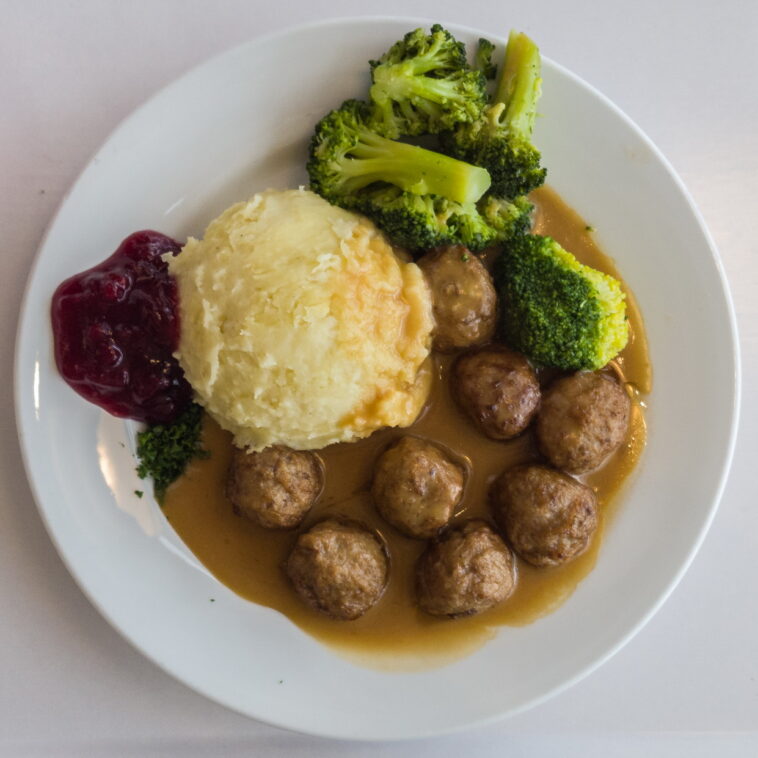
Mid-day meals in Sweden typically consist of “husmanskost,” which translates to “home cooking.” This traditional cuisine is characterized by hearty and simple dishes such as meatballs, pickled herring, and potatoes. Historically, husmanskost was a way for Swedish farmers and laborers to sustain themselves during long workdays. Today, it is still a popular and affordable option for lunch, and many restaurants offer variations on traditional husmanskost dishes.
Dinner in Sweden is often a shared experience, with multiple dishes served family-style to encourage conversation and socializing. Many of these dishes are seasonal, as Swedes value the idea of eating fresh and local ingredients. Popular dinner options include smoked salmon, roasted meats, and vegetables such as lingonberries and wild mushrooms. Dinner is typically served in the early evening, and it is not uncommon for families to spend several hours enjoying their meal together.
Swedish dining culture is characterized by a strong emphasis on socializing and gathering with friends and family. Meals are often enjoyed in a relaxed and casual atmosphere, with a focus on conversation and connection. Swedes believe that dining is a time to slow down and enjoy the company of loved ones, and it is not uncommon for meals to last several hours. Additionally, many Swedes have a tradition of hosting “smorgasbords,” which are elaborate buffets featuring a variety of dishes and snacks.



Facebook Comments