 Robert Zelesky
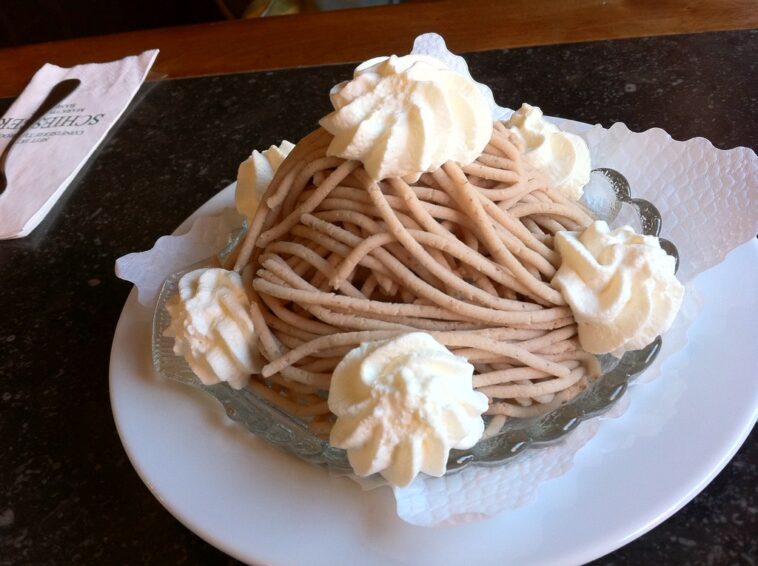
Swiss chestnut cake, or “Gâteau aux Marrons,” is a beloved dessert that captures the essence of autumn and winter in Switzerland. Known for its rich, nutty flavor and moist texture, this cake is often enjoyed during festive seasons and family gatherings. In this article, we will explore the cultural significance of chestnuts in Swiss cuisine, the key ingredients that make this cake special, and provide a detailed step-by-step recipe for creating this delightful dessert at home.
Cultural Significance
Chestnuts have a long history in Swiss cuisine, particularly in the southern regions like Ticino, where chestnut trees are abundant. In the past, chestnuts were a crucial food source for rural communities, providing sustenance during the colder months. Today, chestnuts are celebrated for their unique flavor and versatility, appearing in various dishes from savory soups to sweet desserts. The Swiss chestnut cake is a testament to the enduring appeal of this humble nut, transforming it into a luxurious treat that evokes the warmth and comfort of Swiss hospitality.
Key Ingredients for Swiss Chestnut Cake
To make a traditional Swiss chestnut cake, gather the following ingredients:
- Chestnut Purée: 1 1/2 cups (300g)
- Granulated Sugar: 3/4 cup (150g)
- Butter: 1/2 cup (115g), softened
- Eggs: 4 large, separated
- All-Purpose Flour: 1/2 cup (60g)
- Baking Powder: 1 teaspoon
- Vanilla Extract: 1 teaspoon
- Salt: A pinch
- Powdered Sugar: For dusting
Recipe for Swiss Chestnut Cake
Step 1: Prepare the Ingredients
- Chestnut Purée: If using store-bought chestnut purée, ensure it is unsweetened. If making your own, roast and peel the chestnuts, then blend them into a smooth purée.
- Separate the Eggs: Separate the egg whites from the yolks and set them aside.
Step 2: Preheat the Oven
- Preheat: Preheat your oven to 350°F (175°C).
- Prepare the Pan: Grease and flour an 8-inch (20cm) round cake pan, or line it with parchment paper.
Step 3: Make the Batter
- Cream Butter and Sugar: In a large bowl, cream together the softened butter and granulated sugar until light and fluffy.
- Add Egg Yolks: Beat in the egg yolks one at a time, ensuring each is fully incorporated before adding the next.
- Add Chestnut Purée and Vanilla: Mix in the chestnut purée and vanilla extract until well combined.
- Combine Dry Ingredients: In a separate bowl, whisk together the flour, baking powder, and salt.
- Combine Wet and Dry Ingredients: Gradually add the dry ingredients to the chestnut mixture, mixing until just combined.
Step 4: Whip the Egg Whites
- Beat Egg Whites: In a clean bowl, beat the egg whites until they form stiff peaks.
- Fold Egg Whites into Batter: Gently fold the beaten egg whites into the batter, being careful not to deflate them.
Step 5: Bake the Cake
- Pour Batter into Pan: Pour the batter into the prepared cake pan and smooth the top with a spatula.
- Bake: Bake in the preheated oven for 30-35 minutes, or until a toothpick inserted into the center comes out clean.
- Cool: Remove the cake from the oven and let it cool in the pan for 10 minutes. Then, transfer it to a wire rack to cool completely.
Step 6: Serve
- Dust with Powdered Sugar: Once the cake has cooled, dust it with powdered sugar for a decorative finish.
- Slice and Serve: Slice the cake and serve it on its own or with a dollop of whipped cream or a scoop of vanilla ice cream.
Tips for Perfect Swiss Chestnut Cake
- Chestnut Purée Quality: Ensure you use high-quality chestnut purée for the best flavor. Homemade purée often has a fresher taste, but store-bought varieties can be convenient.
- Room Temperature Ingredients: Ensure that the butter and eggs are at room temperature before starting. This helps create a smooth batter and ensures even baking.
- Gentle Folding: When folding the egg whites into the batter, use a gentle hand to keep the mixture airy and light.
Serving Suggestions
Swiss chestnut cake is versatile and can be enjoyed in various ways:
- Afternoon Tea: Serve slices of the cake with a pot of Swiss tea or coffee for a delightful afternoon treat.
- Festive Dessert: Decorate the cake with whipped cream and candied chestnuts for a festive presentation during holidays and special occasions.
- Gourmet Touch: Pair the cake with a scoop of chestnut or vanilla ice cream and drizzle with a bit of caramel sauce for an indulgent dessert.
Conclusion
Swiss chestnut cake is a rich, moist dessert that embodies the flavors of Switzerland’s autumn and winter seasons. With its deep, nutty taste and tender crumb, this cake is sure to become a favorite for anyone who tries it. By following this detailed recipe and incorporating the tips provided, you can create a chestnut cake that captures the essence of Swiss culinary tradition and brings a touch of rustic elegance to your table. Whether served as a simple treat or an elegant dessert, Swiss chestnut cake is a delicious way to celebrate the bounty of chestnuts and the warmth of Swiss hospitality. Enjoy the process of baking this delightful cake and savor the unique flavors it offers in every bite.

Facebook Comments