 Abby Lincoln
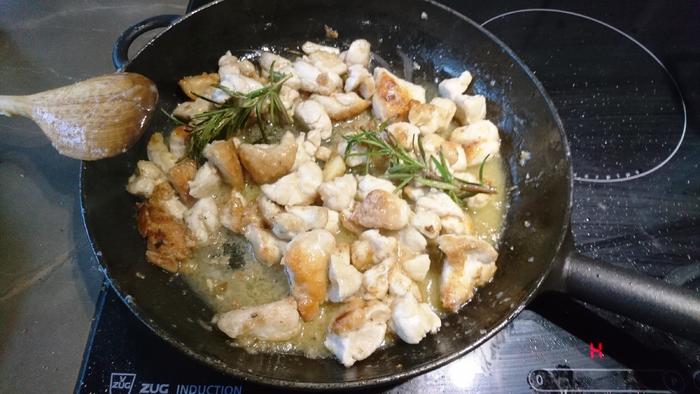
Sweetbreads are not a confectionery treat, as their name might misleadingly suggest. Instead, they are a form of offal, specifically the thymus gland or pancreas of young mammals, typically calves and lambs. Renowned for their rich, creamy texture and delicate flavor, sweetbreads have captivated gourmet chefs and food enthusiasts alike for centuries. This unique ingredient is celebrated for its versatility and the exquisite taste it can contribute to a range of dishes.
While sweetbreads can be somewhat polarizing due to their origin, their culinary merits are indisputable. They are often compared to foie gras in terms of their luxurious mouthfeel and ability to absorb surrounding flavors, making them highly prized in the culinary world. Sweetbreads can be prepared in various ways, each method showcasing their unique characteristics and enhancing their flavor profile.

It is important to note that the term “sweetbreads” encompasses two distinct types: the “thymus” sweetbread and the “pancreas” sweetbread. The thymus sweetbread is typically more tender and is often favored in high-end gastronomy, while the pancreas sweetbread, though a bit firmer, is equally delicious and used in various traditional preparations.
As culinary professionals and home cooks alike continue to explore and rediscover this ingredient, sweetbreads have secured their place as a delicacy in many fine dining establishments. Their preparation often involves careful handling and a respect for the ingredient’s natural qualities, ensuring that they shine in the final dish.
In recent years, the resurgence of interest in nose-to-tail cooking has further amplified the popularity of sweetbreads. Chefs who advocate for sustainable practices often highlight sweetbreads as an excellent way to utilize the whole animal, thereby minimizing waste and celebrating the animal’s entirety. This growing culinary trend invites adventurous eaters to experience the nuances of sweetbreads while enjoying a more responsible approach to dining.
In summary, sweetbreads are a complex and flavorful ingredient that signifies the intersection of culinary tradition and modern gastronomy. As we delve deeper into their anatomy, history, and preparation, the allure of sweetbreads becomes ever more apparent, turning them into a desirable option for any discerning palate.
The Anatomy of Sweetbreads: Types and Characteristics
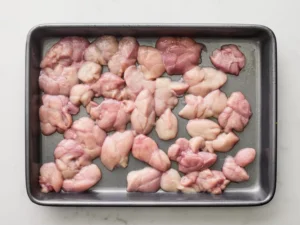
The two primary types of sweetbreads are the thymus sweetbread and the pancreas sweetbread. The thymus sweetbread, often referred to as “neck sweetbread,” is derived from the thymus gland, which is located in the neck area of young animals. It is highly regarded for its tender texture and subtle flavor. The pancreas sweetbread, on the other hand, is sourced from the pancreas and tends to have a firmer texture compared to its thymus counterpart.
Both types of sweetbreads are typically harvested from young animals, such as calves or lambs, as these glands are more tender and have a milder taste in younger specimens. The anatomical structure of sweetbreads contributes to their rich, creamy texture, which can be compared to the finest cuts of meat. The natural fat content within sweetbreads allows them to absorb flavors well during cooking, enhancing their overall appeal.
In terms of appearance, sweetbreads are pale in color, often resembling small, soft pieces of meat. Their internal structure comprises delicate connective tissues, which can break down during proper cooking, resulting in an incredibly tender bite. When cooked correctly, sweetbreads melt in the mouth and provide a luxurious experience that is hard to replicate with other ingredients.
The preparation of sweetbreads requires a nuanced understanding of their unique characteristics. For instance, thymus sweetbreads are usually more delicate and require gentle cooking methods to preserve their softness. On the other hand, pancreas sweetbreads can withstand more robust cooking techniques due to their firmer texture.
Understanding the anatomical differences between the two types of sweetbreads can significantly influence the cooking method chosen. For example, chefs may opt for a lighter preparation for thymus sweetbreads to emphasize their softness, while more intense flavors and cooking methods may be applied to pancreas sweetbreads.
Ultimately, the diverse characteristics of sweetbreads allow for a wide range of culinary applications, making them a fascinating ingredient in both traditional and contemporary cuisine. Their versatility and ability to adapt to various cooking techniques invite experimentation and creativity in the kitchen.

Historical Significance of Sweetbreads in Gastronomy
Sweetbreads have a rich history that dates back centuries, serving as a significant component of traditional cuisines worldwide. Their origins can be traced to ancient cultures, where they were considered a delicacy and often reserved for special occasions or royal feasts. The consumption of sweetbreads highlights the culinary philosophies of utilizing the whole animal, an approach that was prevalent in historical culinary practices.
In medieval Europe, offal, including sweetbreads, was widely consumed due to the socio-economic context of the time. Meat from larger animals was expensive and often reserved for the wealthy, while poorer communities relied on lesser cuts and organ meats to sustain themselves. Sweetbreads became a popular choice among these communities, celebrated for their flavor and tenderness.
During the Renaissance period, the trend of utilizing sweetbreads expanded among the aristocracy, who saw them as a symbol of culinary sophistication. Cookbooks from this era often included elaborate recipes for sweetbreads, showcasing their versatility and the skill required to prepare them properly. The use of spices, sauces, and various cooking techniques elevated sweetbreads to a prized position in haute cuisine.
As culinary traditions evolved, sweetbreads found their way into the kitchens of numerous countries, each culture developing its own unique methods of preparation. In France, for example, sweetbreads have long been a staple in classical cuisine, often featured in rich sauces or as part of sophisticated dishes. In Italian cooking, sweetbreads are frequently incorporated into traditional recipes, showcasing their adaptability in various culinary settings.
In contemporary gastronomy, the resurgence of interest in offal has brought sweetbreads back into the spotlight. Chefs committed to farm-to-table practices and nose-to-tail cooking have reintroduced sweetbreads to modern menus, emphasizing the importance of sustainability and minimizing food waste. This revival reflects a broader cultural shift towards valuing traditional cooking techniques and diverse ingredients.
The historical significance of sweetbreads in gastronomy is a testament to their enduring appeal. As culinary trends continue to evolve, sweetbreads remain a beloved ingredient, transcending cultural boundaries and connecting generations of cooks and diners through their rich history.
Nutritional Profile: Are Sweetbreads Healthy?
Sweetbreads have a unique nutritional profile that may surprise many. They are an excellent source of protein, providing essential amino acids necessary for various bodily functions, including muscle repair and growth. A typical serving of sweetbreads can contain a significant amount of protein, making them a valuable addition to a balanced diet.
In addition to being rich in protein, sweetbreads are also a source of vitamins and minerals. They are notably high in vitamins B12 and B6, which play critical roles in energy metabolism and the functioning of the nervous system. Furthermore, sweetbreads provide important minerals such as iron, zinc, and selenium, contributing to overall health and well-being.
However, it is essential to consider that sweetbreads are also relatively high in fat content, which may raise concerns for some individuals. The fat present in sweetbreads is primarily composed of healthy monounsaturated and polyunsaturated fats, which can be beneficial when consumed in moderation. Nonetheless, those monitoring their fat intake should exercise caution and balance sweetbreads with other lean protein sources in their diet.
When prepared using healthy cooking techniques, sweetbreads can be a nutritious component of various dishes. For instance, grilling or sautéing them in moderate amounts of healthy oils can retain their nutritional benefits while minimizing excess fat. Combining sweetbreads with fresh vegetables or whole grains can create a well-rounded meal that provides a variety of essential nutrients.
As with any organ meat, it is crucial to consider the source of sweetbreads. Choosing high-quality, ethically raised animals can significantly impact the nutritional value and overall quality of the sweetbreads. Organic or grass-fed options are often recommended for those seeking a healthier option.
In summary, sweetbreads can be a nutritious addition to a balanced diet when enjoyed in moderation and prepared thoughtfully. Their rich source of protein, vitamins, and minerals makes them an appealing choice for those looking to diversify their culinary repertoire while still prioritizing their health.
Selecting Quality Sweetbreads: What to Look For
When it comes to selecting quality sweetbreads, several factors should be taken into consideration to ensure the best culinary experience. The first aspect to examine is freshness. Fresh sweetbreads should have a clean, mild scent and a pale pink to white color. Avoid sweetbreads that have an off-putting odor or discoloration, as this may indicate spoilage.
Another important factor is the source of the sweetbreads. Look for sweetbreads sourced from reputable suppliers who prioritize humane and ethical farming practices. Ideally, choose sweetbreads from young animals, such as calves or lambs, as these tend to be more tender and flavorful. Checking labels for organic or grass-fed options can also be beneficial for both quality and nutritional value.
The texture of sweetbreads is a critical indicator of freshness and quality. High-quality sweetbreads should feel firm and slightly springy when pressed, without being overly soft or mushy. They should also be relatively free of any blood vessels or connective tissue, which can detract from the overall eating experience.
Packaging is another key consideration when purchasing sweetbreads. If buying from a butcher or grocery store, ensure that the sweetbreads are stored at the proper temperature and have not been sitting out for extended periods. Vacuum-sealed packaging can help maintain freshness and prevent spoilage during transport.
If possible, inquire about the specific breed of animal from which the sweetbreads are sourced. Different breeds may yield varying flavors and textures. Some chefs prefer sweetbreads from specific breeds known for their superior culinary qualities, making this an important consideration for discerning cooks.
When purchasing sweetbreads from a farmer’s market or specialty butcher, do not hesitate to ask questions about their sourcing and handling practices. Knowledgeable vendors can provide valuable insights into the quality and preparation of sweetbreads, ensuring you make an informed purchase.
In conclusion, selecting quality sweetbreads involves careful consideration of freshness, sourcing, texture, and packaging. By prioritizing these factors, you can ensure a top-notch culinary experience that highlights the unique flavors and textures of this exquisite ingredient.
Essential Preparation Techniques for Cooking Sweetbreads
Preparing sweetbreads requires attention to detail and care to enhance their natural flavors and textures. Before cooking, it is essential to handle sweetbreads gently to avoid damaging their delicate structure. Start by removing any outer membranes or connective tissue that may be present. This step is crucial for achieving a tender final result, as these tissues can be tough and unpalatable if left on.
One of the most critical aspects of preparing sweetbreads is soaking them in cold water or milk prior to cooking. This soaking process helps to remove any impurities and blood, resulting in a cleaner flavor. Soaking for several hours or even overnight is recommended, with water being changed periodically to ensure optimal cleanliness.
After soaking, it’s important to blanch the sweetbreads to further refine their flavor and texture. Blanching involves briefly boiling the sweetbreads in salted water, which helps to firm up their structure and prepares them for subsequent cooking methods. Following blanching, sweetbreads should be cooled quickly in an ice bath to stop the cooking process.
Once blanched and cooled, sweetbreads can be patted dry and are ready for various cooking methods. They can be seasoned simply with salt and pepper or marinated to enhance their flavor profile. A marinade might include ingredients such as garlic, herbs, and citrus, which can impart additional layers of flavor during the cooking process.
After seasoning, sweetbreads can be prepared using several techniques, including grilling, searing, or braising. Each method provides a unique flavor profile and texture. Searing in a hot skillet can create a beautifully caramelized crust, while braising in a rich sauce can infuse the sweetbreads with deep, complex flavors.
In addition to cooking methods, the choice of fats is critical to achieving the desired richness and flavor. Butter, olive oil, and lard are popular options for frying sweetbreads, each lending its unique flavor and enhancing the overall dish.
In summary, preparing sweetbreads involves a series of careful steps, including cleaning, soaking, blanching, and seasoning. By adhering to these essential techniques, cooks can maximize the potential of sweetbreads, creating an exceptional culinary experience.
Cleaning and Soaking: Preparing Sweetbreads Properly
The process of cleaning and soaking sweetbreads is vital to ensuring their flavor and texture are at their best. Once you have selected high-quality sweetbreads, the first step is to rinse them under cold water. This rinsing helps remove any residual blood or impurities that may be present on the surface of the sweetbreads.
After rinsing, it is essential to trim away any outer membranes, connective tissues, or fat that may impact the final dish’s texture. Using a sharp knife, carefully remove any unwanted parts, taking care not to damage the sweetbreads themselves. This step can be delicate, as sweetbreads are tender and can easily fall apart if mishandled.
Once cleaned, the next step involves soaking the sweetbreads to further purify them and enhance their flavor. Soaking sweetbreads in cold water or milk for several hours is a common practice. The cold temperature helps to draw out any remaining impurities and blood, resulting in a cleaner taste.
During the soaking process, it is advisable to change the water or milk periodically to ensure maximum freshness. If the sweetbreads are being soaked in milk, the lactic acid can help tenderize the meat and impart a subtle sweetness, enhancing the overall flavor.
After soaking, the sweetbreads should be removed and drained thoroughly. At this stage, they can be blanched in boiling, salted water for a brief period, typically around 5 to 10 minutes. This blanching process helps firm up the sweetbreads, making them easier to handle during subsequent cooking methods.
Following blanching, it is crucial to cool the sweetbreads quickly in an ice bath. This rapid cooling halts the cooking process, preventing overcooking and maintaining the sweetbreads’ tender texture. Once cooled, they should be patted dry with paper towels before proceeding with any cooking method.
Cleaning and soaking sweetbreads may seem like a time-consuming process, but these steps are essential for achieving a delicious final dish. Properly prepared sweetbreads will yield a tender and flavorful result that elevates any culinary creation.
Cooking Methods: Grilling, Searing, and Braising
Sweetbreads can be prepared using various cooking methods, each offering a unique approach to enhancing their flavor and texture. The choice of cooking technique can significantly influence the final dish, making it essential for cooks to understand the characteristics of each method.
Grilling is a popular choice for sweetbreads, as it imparts a smoky flavor and creates a crispy exterior. To grill sweetbreads, they should be prepped by cleaning, soaking, and blanching, as mentioned earlier. After marinating or seasoning, the sweetbreads can be placed on a preheated grill. It is important to monitor the cooking closely, as sweetbreads can quickly become overcooked and lose their delicate texture. Grilling typically requires a shorter cooking time, around 5 to 7 minutes per side, depending on the size and thickness.
Searing is another excellent cooking technique for sweetbreads, as it allows for a caramelized crust to form while keeping the interior tender. To sear sweetbreads, they should be dried thoroughly and seasoned with salt and pepper. A hot skillet with a combination of oil and butter is ideal for achieving a beautiful sear. The sweetbreads should be placed in the skillet without crowding, allowing for even cooking. Searing typically takes about 2 to 3 minutes per side, depending on the desired level of doneness.
Braising is a slower cooking method that involves cooking sweetbreads in a flavorful liquid, such as stock or wine, over low heat. This technique allows the sweetbreads to absorb the flavors of the braising liquid while becoming incredibly tender. To braise sweetbreads, they should first be seared to develop a crust, then transferred to a pot with the braising liquid and aromatics. The pot is covered and simmered gently for approximately 30 to 45 minutes, resulting in beautifully tender sweetbreads.
In addition to these methods, sweetbreads can also be incorporated into other dishes, such as pâtés or terrines, showcasing their versatility beyond traditional preparations. Cooks may experiment with sous vide techniques, which involve vacuum-sealing sweetbreads and cooking them at a precise temperature to achieve consistent and tender results.
The choice of cooking method ultimately depends on the desired flavor profile and texture. By understanding the nuances of grilling, searing, and braising, cooks can unlock the full potential of sweetbreads in their culinary creations.
Flavor Pairings: Best Ingredients to Use with Sweetbreads
Sweetbreads possess a rich, creamy flavor that pairs beautifully with a variety of ingredients, enhancing their natural qualities. When creating dishes featuring sweetbreads, selecting complementary flavors is essential for achieving a well-balanced and harmonious final product.
Herbs and aromatics are excellent companions for sweetbreads. Fresh herbs such as thyme, parsley, and chives lend brightness and depth to the dish. Aromatics like garlic and shallots can be sautéed alongside sweetbreads to infuse the dish with additional flavor. The aromatic qualities of these ingredients help to elevate the overall taste experience.
Citrus is another indispensable flavor pairing that can enhance the richness of sweetbreads. The acidity of lemon, lime, or orange juice can help cut through the creaminess, adding a refreshing contrast. Zest from these fruits can also be incorporated into marinades or sauces to impart a vibrant flavor.
Rich sauces are frequently employed to accompany sweetbreads, providing an extra layer of depth. Classic sauces such as Madeira, red wine reduction, or béarnaise can elevate the dish substantially. These sauces often feature reductions from flavorful ingredients, bringing out the natural flavors of the sweetbreads while adding complexity.
Mushrooms are a fantastic pairing with sweetbreads, as their earthy flavors complement the richness of the offal. Sautéed mushrooms can be served alongside sweetbreads or incorporated into sauces, enhancing the dish’s umami qualities.
Mustard is another ingredient that works remarkably well with sweetbreads. A creamy mustard sauce or a mustard-based vinaigrette can add a tangy kick that balances the richness of the sweetbreads, creating a delightful flavor contrast.
Additionally, seasonal vegetables can serve as a wonderful accompaniment. Roasted or sautéed vegetables such as asparagus, Brussels sprouts, or root vegetables can add both texture and color to the plate, elevating the overall presentation and taste.
Finally, grains such as polenta, risotto, or farro can provide a hearty and nourishing base for sweetbreads. These grains can be flavored with herbs, stocks, or even cheese, creating a complete dish that showcases the sweetbreads as the star ingredient.
In conclusion, the flavor pairings for sweetbreads are diverse and multifaceted. By thoughtfully selecting complementary herbs, citrus, sauces, vegetables, and grains, cooks can create exquisite and harmonious dishes that highlight the unique qualities of this culinary delicacy.
Popular Dishes Featuring Sweetbreads in Various Cuisines
Sweetbreads have been embraced by numerous cuisines around the world, resulting in a variety of traditional dishes that showcase their unique flavor and texture. Each culture has developed its own methods of preparation, highlighting the versatility of this culinary delicacy.
In French cuisine, sweetbreads are often featured in classic dishes such as “sweetbreads with mustard sauce” (ris de veau à la moutarde) or “sweetbreads with capers” (ris de veau aux câpres). These dishes typically involve sautéing the sweetbreads and serving them with a rich sauce, emphasizing the ingredients’ natural flavors. French chefs often prepare sweetbreads using meticulous techniques, showcasing their skill in elevating offal to gourmet status.
Italian cuisine also boasts an array of sweetbread dishes, with “animelle” being a notable example. This dish features sweetbreads that are lightly breaded and fried, served alongside a tangy sauce, often incorporating lemon or vinegar to balance the richness. Another popular preparation is “sweetbreads alla Romana,” where they are sautéed with garlic, parsley, and white wine, resulting in a flavorful and aromatic dish.
In Spanish cuisine, sweetbreads often appear in traditional dishes such as “ris de veau” or “sweetbread fritters.” These preparations can include a variety of techniques, such as frying or grilling, and are typically accompanied by flavorful sauces or salsas that enhance the dish’s overall taste.
Latin American cuisine has also embraced sweetbreads, with dishes like “tacos de ris de veau” gaining popularity. In these tacos, sweetbreads are often grilled or sautéed, served in warm tortillas with fresh toppings like cilantro, onions, and salsas. The vibrant flavors of Latin cuisine create a unique and exciting way to enjoy sweetbreads.
In Asian cuisines, sweetbreads can be found in dishes that incorporate bold flavors and spices. For example, in some Chinese preparations, sweetbreads may be stir-fried with vegetables and flavored with soy sauce, ginger, and garlic. The result is a dish that showcases the sweetbreads’ richness while complementing them with umami flavors.
Modern gastronomy has seen a resurgence of creative interpretations of sweetbreads, with many chefs experimenting with contemporary techniques and presentations. Dishes may include sweetbreads served on a bed of puréed vegetables or accompanied by unexpected ingredients like fruit compotes or spicy sauces, reflecting a fusion of culinary traditions.
In conclusion, sweetbreads are a cherished ingredient across various cuisines, each bringing its unique flair and preparation techniques. From French classics to modern interpretations, sweetbreads continue to inspire culinary creativity and delight the palates of adventurous eaters.
Common Mistakes When Cooking Sweetbreads to Avoid
While preparing sweetbreads can be a rewarding culinary experience, there are several common mistakes that cooks should be aware of to ensure the best results. Understanding these pitfalls can help enhance the final dish and avoid disappointing outcomes.
One of the most frequent mistakes is neglecting the cleaning process. Sweetbreads require thorough cleaning and soaking to remove impurities and blood. Skipping this step can lead to a dish with undesirable flavors and textures. Always take the time to rinse, soak, and trim sweetbreads properly to achieve the best results.
Another common error is overcooking sweetbreads. Their delicate texture can easily become tough and rubbery if cooked for too long. It is crucial to closely monitor cooking times, using methods such as grilling, searing, or braising, and to remove sweetbreads from heat as soon as they reach the desired level of doneness.
Failing to adequately dry sweetbreads before cooking is another misstep that can lead to undesirable results. Moisture on the surface can prevent proper browning and searing, affecting the overall flavor. Always pat the sweetbreads dry with paper towels after soaking and blanching to ensure optimal cooking.
Additionally, improper seasoning can detract from the dish’s flavor. Sweetbreads have a mild taste that can benefit from a balance of seasoning. Under-seasoning can result in a bland dish, while over-seasoning can overwhelm their natural flavor. Taste as you go and adjust seasoning accordingly to find the right balance.
Using the wrong cooking method for the type of sweetbreads can also lead to subpar results. Thymus sweetbreads, for example, are best suited for gentle cooking methods, while pancreas sweetbreads can withstand more robust techniques. Understanding the characteristics of each type will help you choose the most suitable cooking method.
Another mistake is not allowing the sweetbreads to rest after cooking. Similar to meat, sweetbreads benefit from resting before serving. Allowing them to rest for a few minutes helps redistribute juices and enhances overall tenderness.
Finally, failing to pair sweetbreads with complementary flavors can lead to a lackluster dish. Thoughtful flavor pairings can elevate sweetbreads, so consider incorporating herbs, citrus, and sauces that enhance their richness and create a balanced dish.
In summary, avoiding common mistakes such as inadequate cleaning, overcooking, improper seasoning, and neglecting flavor pairings can significantly enhance the quality of cooked sweetbreads. By paying attention to these details, cooks can create a delicious and memorable dish that showcases this unique culinary delicacy.
Final Thoughts: Enjoying Sweetbreads in Your Kitchen
Sweetbreads, while sometimes overlooked in modern cooking, offer a unique culinary experience that can elevate any dish when prepared thoughtfully. Their rich flavor, tender texture, and versatility make them a prized ingredient in both traditional and contemporary cuisines. By understanding the intricacies of sweetbreads, including how to select, prepare, and cook them, home cooks can unlock their full potential in the kitchen.
As interest in offal and nose-to-tail cooking continues to grow, sweetbreads serve as a perfect example of how to embrace sustainable practices while still enjoying exquisite flavors. Incorporating sweetbreads into your culinary repertoire not only diversifies your cooking skills but also fosters a deeper appreciation for the whole animal and its culinary possibilities.
Whether you choose to grill, sear, or braise sweetbreads, the key to success lies in careful preparation and attention to detail. Cleaning, soaking, and seasoning are all essential steps that contribute to a delicious end result. Experimenting with different flavor pairings and cooking methods can also lead to delightful discoveries in your kitchen.
In addition to traditional recipes, consider looking for innovative ways to incorporate sweetbreads into your meals. From modern interpretations to fusion dishes, the possibilities are extensive. Embrace the challenge of working with this unique ingredient and allow your creativity to flourish.
If you’re new to cooking sweetbreads, consider seeking out recipes from reputable chefs or culinary resources that highlight their preparation. Engaging with the culinary community can inspire fresh ideas and enhance your cooking journey.
Lastly, remember that appreciating sweetbreads is not solely about indulging in their rich flavors but also about understanding their cultural significance and history. By exploring the origins and traditions surrounding sweetbreads, you can cultivate a deeper connection to the dish and its culinary heritage.
In conclusion, sweetbreads present an opportunity for culinary exploration that can lead to remarkable dishes and memorable dining experiences. Embrace this culinary delicacy, and allow it to inspire your culinary journey in the kitchen.


Facebook Comments