 John Myers
Introduction: The Roots of Afro-Brazilian Cuisine
Afro-Brazilian cuisine is a reflection of the history and cultural heritage of Brazil. It is a fusion of African, European, and Indigenous culinary traditions that have evolved over centuries. The African contribution to Brazilian cuisine is particularly significant, given that millions of Africans were brought to Brazil as slaves during the colonial era. Their culinary practices, ingredients, and flavors have left an indelible mark on Brazilian gastronomy. Today, Afro-Brazilian cuisine is celebrated for its complexity, diversity, and richness.
A Journey Through African Influences in Brazilian Cuisine
African influences are found in many aspects of Brazilian cuisine, from the use of exotic spices and herbs to the cooking techniques and methods. Some of the most common African ingredients used in Brazilian cuisine include okra, palm oil, yams, coconut, and peanuts. Brazilian dishes that have African roots include feijoada, acarajé, and moqueca. These dishes are a testament to the creativity and ingenuity of African slaves who had to use whatever ingredients were available to them to create flavorful and nutritious meals.
Afro-Brazilian Ingredients and Flavors: A Unique Blend
Afro-Brazilian cuisine is known for its bold and complex flavors, which are a result of the fusion of African, European, and Indigenous ingredients and cooking techniques. The cuisine is characterized by the use of exotic spices and herbs, including ginger, garlic, coriander, and cumin. The liberal use of chili peppers, particularly malagueta and piri-piri, adds heat and depth to many dishes. Palm oil, also known as dendê oil, is a key ingredient in many Afro-Brazilian dishes, giving them a distinctive and intense flavor.
Feijoada: The Iconic Dish of Afro-Brazilian Cuisine
Feijoada is perhaps the most famous dish in Brazilian cuisine, and it has its roots in African cooking. It is a hearty stew made with black beans, various cuts of pork, beef, and sausage, and served with rice and farofa (toasted manioc flour). Feijoada was originally a slave dish made from the scraps of meat that were leftover from the master’s table. Today, it is a national dish and a symbol of Brazilian culinary identity, enjoyed by people from all walks of life.
Acarajé: A Delicious Street Food with African Roots
Acarajé is a popular street food in Brazil, particularly in the northeastern state of Bahia. It is a deep-fried bean cake made from black-eyed peas, onions, and spices, and filled with shrimp, vatapá (a creamy paste made from bread, shrimp, coconut milk, and peanuts), and hot sauce. Acarajé has its roots in African cuisine, specifically the Yoruba people of Nigeria, who brought the technique of making bean cakes to Brazil during the colonial era.
Dendê Oil: The Secret Ingredient of Bahian Cuisine
Dendê oil, also known as palm oil, is a key ingredient in many dishes from Bahia, a state in northeastern Brazil with a strong African cultural influence. Dendê oil has a distinctive flavor and aroma and is used in dishes such as acarajé, vatapá, and moqueca (a seafood stew). It is also used in various sauces, marinades, and dressings. Dendê oil is an essential ingredient in Bahian cuisine and is a testament to the African contribution to Brazilian gastronomy.
Moqueca: A Seafood Stew with African and Indigenous Roots
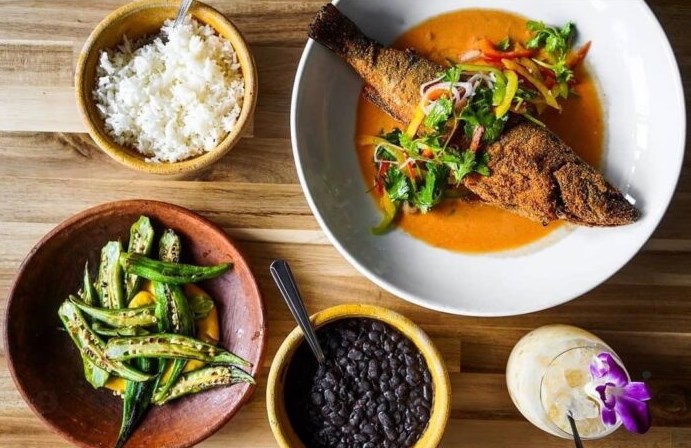
Moqueca is a seafood stew that originated in Bahia but is now popular throughout Brazil. It is made with fish, shrimp, or other seafood, cooked in a broth of dendê oil, coconut milk, tomatoes, onions, garlic, and peppers. The dish has its roots in African and Indigenous cooking, and it is a reflection of the cultural diversity of Brazil. Moqueca is served with rice, farofa, and often accompanied by fried plantains.
African-Inspired Desserts: Sweet Delights from Brazil
Brazilian desserts are a delicious blend of European, African, and Indigenous influences, resulting in a unique and diverse array of flavors and textures. African-inspired desserts include quindim, a coconut and egg yolk custard, and cocada, a sweet treat made with shredded coconut and sugar. Both of these desserts have their roots in African cuisine and are a testament to the cultural diversity of Brazilian gastronomy.
The Role of Afro-Brazilian Cuisine in Brazilian Culture
Afro-Brazilian cuisine is an essential part of Brazilian culture and identity. It reflects the history, traditions, and cultural heritage of Brazil, and it celebrates the diversity of its people. Afro-Brazilian cuisine has also played a significant role in social and political movements in Brazil, particularly in the fight against slavery and discrimination. Today, Afro-Brazilian cuisine is a symbol of culinary excellence, creativity, and innovation.
Conclusion: Celebrating the Diversity of Brazilian Cuisine
Afro-Brazilian cuisine embodies the rich cultural heritage of Brazil, blending African, European, and Indigenous culinary traditions. It is a celebration of diversity, creativity, and innovation, and it is a testament to the resilience and ingenuity of the Brazilian people. From feijoada to acarajé, moqueca to quindim, Afro-Brazilian cuisine is a culinary journey that offers a unique and flavorful fusion of cultures.


Facebook Comments