 John Myers
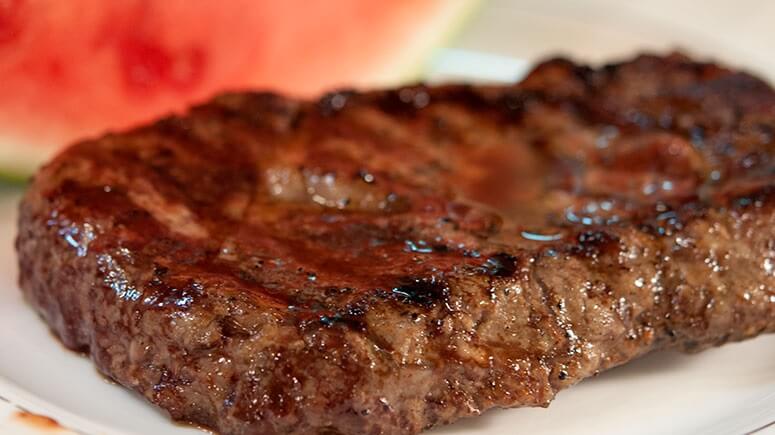
How much antibiotic am I getting from eating meat? Many of you have asked us that. The answer: the problem lies elsewhere. The meat is not the problem when it comes to absorbing antibiotics.
Antibiotic residues in meat
In livestock farming, livestock have long been regularly fed antibiotics to keep them from getting sick in the stalls. Such prophylactic administration is forbidden nowadays. Only really sick animals may be treated. Nevertheless, residues of the medication settle in the meat and are sold over the counter. So the obvious question is whether and how many of the drugs people ingest by eating them. But for now there is no need to worry:
From a toxicological point of view, residues of antibiotics in our food are not a problem. The amount is so small that our health is not affected. However, the high use of antibiotics in human medicine and in animal husbandry leads to the multiplication and formation of resistant germs. Experts estimate that even small residues in food could increase selection pressure. Even if significantly more resistance is likely to result from the careless use of antibiotics in human medicine, the same applies to animal breeding: Wherever the drugs are used, there is also a selection effect.
Basically, when resistances spread via food, it is more important that resistant bacteria that are already on the meat come back to us via the meat. That’s why you should always wash your hands after handling raw meat. In addition, no raw vegetables should be touched and separate cutting boards should always be used.



Facebook Comments