 Robert Zelesky
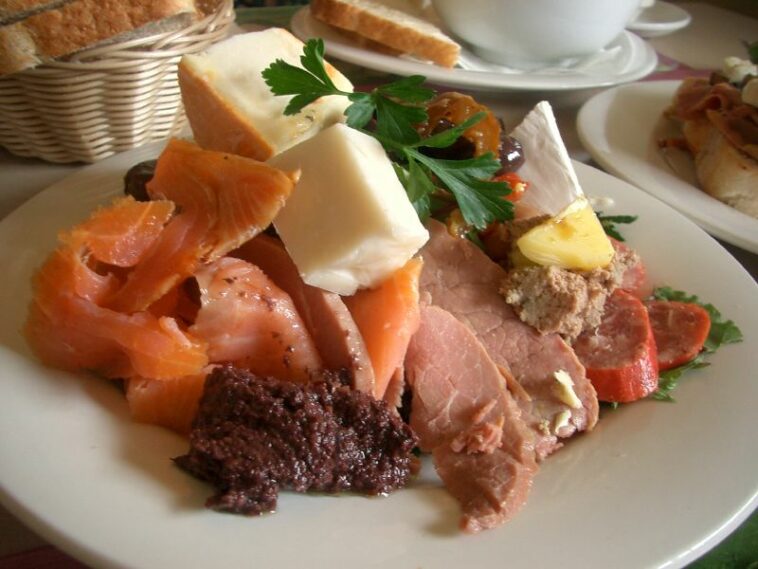
An antipasto platter, originating from Italy, is a delightful assortment of cured meats, cheeses, olives, vegetables, and other savory bites. It serves as a perfect starter for a meal or a centerpiece for social gatherings, offering a mix of flavors and textures that appeal to a wide range of palates. In this article, we will explore the origins of the antipasto tradition, discuss its key components, and provide you with a guide to creating your own impressive antipasto platter.
Origins of Antipasto
The term “antipasto” comes from Italian, where “anti” means before and “pasto” means meal, indicating that it is served before the main course. Antipasto is deeply rooted in Italian culinary culture, evolving over centuries as a way to stimulate the appetite with a variety of flavorful and savory bites. Originally, antipasto was a simple offering of olives, cured meats, and cheeses, but it has since expanded to include a diverse array of ingredients that showcase regional specialties and seasonal produce.
Key Components of an Antipasto Platter
An antipasto platter typically features a colorful and varied selection of foods, each chosen for its complementary flavors and textures. Here are some essential components to consider when creating your own antipasto masterpiece:
Cured Meats:
- Prosciutto: Thinly sliced dry-cured ham, prized for its delicate flavor and melt-in-your-mouth texture.
- Salami: Various types such as Genoa, soppressata, or finocchiona, offering a range of flavors from mild to spicy.
- Coppa: Air-dried pork shoulder or neck, often seasoned with spices and herbs.
Cheeses:
- Parmigiano-Reggiano: Aged Parmesan cheese with a nutty flavor and granular texture.
- Pecorino Romano: Sharp and salty sheep’s milk cheese, perfect for grating over dishes.
- Mozzarella: Fresh mozzarella balls or slices, known for their creamy texture and mild taste.
Olives and Pickled Vegetables:
- Kalamata Olives: Dark purple olives with a rich, fruity flavor.
- Stuffed Peppers: Peppadew peppers filled with cream cheese or goat cheese.
- Marinated Artichoke Hearts: Tender artichoke hearts marinated in herbs and olive oil.
Breads and Crackers:
- Grissini: Thin, crispy breadsticks, ideal for pairing with meats and cheeses.
- Crostini: Slices of toasted baguette, brushed with olive oil and garlic.
- Crackers: Various types such as water crackers, whole grain crackers, or seed crackers.
Dips and Spreads:
- Pesto: Basil pesto made with fresh basil, pine nuts, Parmesan cheese, and olive oil.
- Tapenade: Olive tapenade, a savory spread made with olives, capers, anchovies, and olive oil.
- Hummus: Creamy chickpea dip flavored with tahini, garlic, and lemon juice.
Fresh Produce:
- Cherry Tomatoes: Sweet and juicy tomatoes that add a burst of color to the platter.
- Cucumber Slices: Refreshing and crunchy, perfect for balancing richer flavors.
- Fresh Herbs: Sprigs of basil, rosemary, or thyme for garnish and additional flavor.
Recipe: Creating an Antipasto Platter
Ingredients:
- Assorted cured meats (prosciutto, salami, coppa)
- Selection of cheeses (Parmigiano-Reggiano, Pecorino Romano, mozzarella)
- Olives and pickled vegetables (Kalamata olives, stuffed peppers, marinated artichoke hearts)
- Breads and crackers (grissini, crostini, assorted crackers)
- Dips and spreads (pesto, tapenade, hummus)
- Fresh produce (cherry tomatoes, cucumber slices, fresh herbs)
Instructions:
- Prepare the Meats and Cheeses:
- Arrange the cured meats and cheeses on a large serving platter or wooden board. Fold or roll the slices of prosciutto for an attractive presentation. Leave space between different items for visual appeal.
- Add Olives and Pickled Vegetables:
- Place bowls or small dishes of olives and pickled vegetables around the platter. Garnish with fresh herbs for a pop of color.
- Arrange Breads and Crackers:
- Arrange breadsticks, crostini, and crackers in between the meats and cheeses. Consider placing some dips and spreads in small bowls alongside.
- Garnish and Serve:
- Garnish the platter with cherry tomatoes, cucumber slices, and additional fresh herbs for a finishing touch. Serve the antipasto platter at room temperature to allow the flavors to shine.
Tips for a Spectacular Antipasto Platter
- Balance and Variety: Aim for a balance of flavors and textures, including salty meats, creamy cheeses, tangy pickles, and crunchy breads.
- Presentation: Arrange items in an organized yet artful manner, considering colors and shapes for visual appeal.
- Pairing: Serve with a selection of wines such as Prosecco, Pinot Grigio, or Chianti to complement the flavors of the antipasto.
Serving Suggestions
An antipasto platter is versatile and can be served on various occasions, from casual gatherings to formal dinners. Here are a few ideas for enjoying your antipasto creation:
- Party Starter: Serve as an appetizer at cocktail parties or social gatherings, encouraging guests to sample and share.
- Picnic Delight: Pack into a picnic basket along with crusty bread and a bottle of wine for a gourmet outdoor meal.
- Family Feast: Enjoy as part of a larger Italian-themed meal, preceding pasta dishes like lasagna or risotto.
Conclusion
An antipasto platter epitomizes the essence of Mediterranean dining, offering a tantalizing array of flavors and textures that awaken the palate. Whether you’re hosting a dinner party or simply indulging in a leisurely meal, creating an antipasto platter allows you to showcase a variety of ingredients and regional specialties. By following this guide and incorporating your favorite ingredients, you can craft a stunning antipasto platter that delights both the eye and the taste buds. Buon appetito!



Facebook Comments