 John Myers
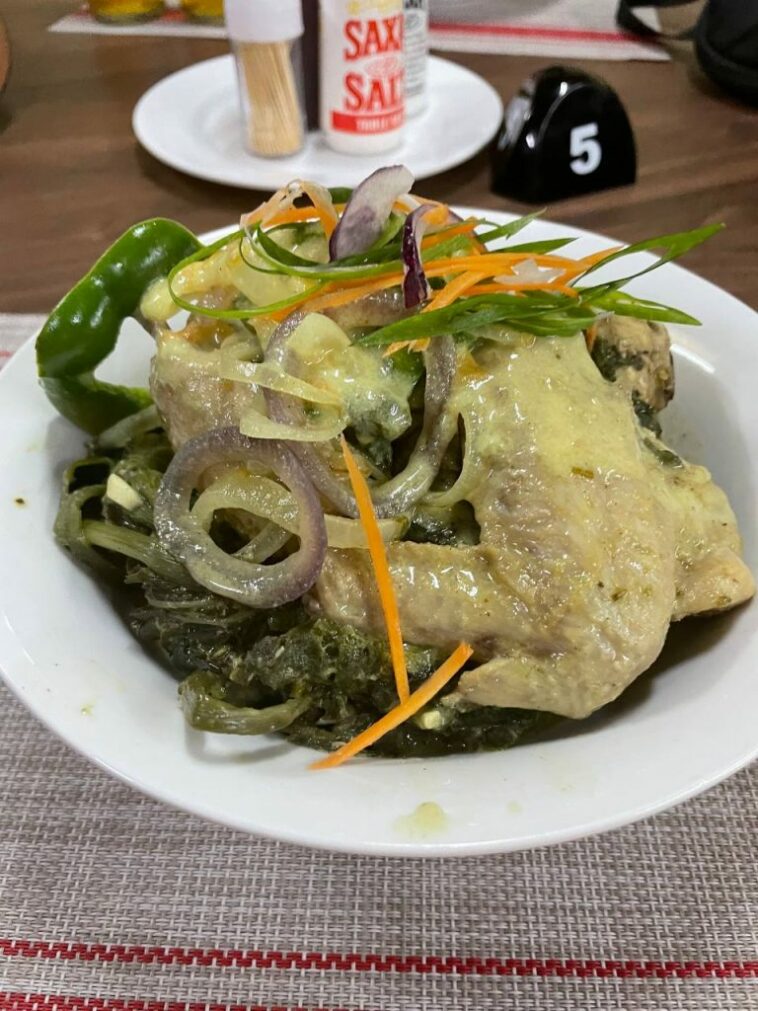
Introduction: Papua New Guinean cuisine
Papua New Guinea is a country in the southwestern Pacific Ocean that is home to a diverse array of indigenous cultures and traditions. Its cuisine reflects this diversity, incorporating a wide variety of ingredients and cooking techniques. The country’s cuisine is often characterized by its use of fresh, locally sourced ingredients and its emphasis on communal dining.
Spices commonly used in Papua New Guinean dishes
Papua New Guinean cuisine incorporates a range of spices and seasonings that add depth and flavor to dishes. Some of the most commonly used spices include chili peppers, ginger, garlic, turmeric, and lemongrass. These spices are often used in combination with local herbs and vegetables, such as taro leaves and coconut milk, to create rich, complex flavors. In addition to these traditional seasonings, Papua New Guinean chefs also make use of imported spices, such as cumin and coriander, to add depth and complexity to their dishes.
Heat levels of Papua New Guinean dishes
While Papua New Guinean cuisine is known for its use of spices, not all dishes are necessarily spicy. Heat levels vary depending on the dish and the region in which it is prepared. Some dishes, such as those from the coastal regions, tend to be milder and may incorporate more seafood and coconut milk. Inland dishes, on the other hand, are often spicier and may incorporate more meat and root vegetables. It’s worth noting, however, that even mild dishes may still incorporate a variety of spices, so those who are sensitive to heat should be prepared accordingly.
Regional variations in spiciness of Papua New Guinean food
As mentioned, the spiciness of Papua New Guinean dishes varies depending on the region in which they are prepared. The highlands region, for example, is known for its use of hot peppers and spicy sauces, while the Sepik River region tends to incorporate milder flavors and more seafood. The coastal regions of Papua New Guinea, on the other hand, often incorporate a range of spices but tend to be less spicy overall. Overall, the level of spiciness in Papua New Guinean dishes is influenced by a range of factors, including regional climate, soil composition, and cultural traditions.
Spicy dishes in Papua New Guinean cuisine
While not all Papua New Guinean dishes are necessarily spicy, there are a number of spicy dishes that are popular throughout the country. One such dish is mumu, a traditional feast where meat, vegetables, and other ingredients are wrapped in banana leaves and cooked in an underground oven. Mumu often incorporates hot peppers and other spices, resulting in a rich, flavorful dish. Other spicy dishes include kokoda, a coconut milk and lime marinated fish dish, and ota ika, a raw fish and vegetable salad that is often served with a spicy chili sauce.
Conclusion: Summing up Papua New Guinean dishes and spiciness
Overall, Papua New Guinean cuisine is a rich and varied tapestry of flavors, incorporating a wide range of spices and seasonings. While not all dishes are necessarily spicy, many incorporate a variety of hot peppers and other ingredients to add depth and complexity. Whether you’re a fan of spicy food or prefer milder flavors, there is something to enjoy in the cuisine of Papua New Guinea.


Facebook Comments