 John Myers

Exploring the Food Culture of the Maldives
The Maldives is an archipelagic island nation in South Asia, renowned for its picturesque beaches, crystal-clear waters, and luxurious resorts. However, the country also boasts a vibrant food culture that reflects its geographical location, history, and diverse population. Maldivian cuisine is a fusion of Indian, Sri Lankan, Arabic, and Southeast Asian influences, characterized by the use of spices, coconut, fish, and tropical fruits.
The food culture of the Maldives is not limited to fine dining restaurants or hotel buffets. Rather, it extends to local eateries, food markets, and street vendors that offer a glimpse into everyday Maldivian life. The Maldives has a rich tradition of communal eating, where families and friends gather around a mat or table to share a variety of dishes. Therefore, food markets and street food markets are an integral part of the social fabric of the Maldives.
Scouring the Islands for Street Food Markets
Although the Maldives is a small country with a scattered population, there are several street food markets that cater to locals and tourists alike. The capital city of Male is the hub of street food markets, where vendors sell snacks, sweets, and drinks from their carts or stalls. Some of the popular street food items include hedhikaa, which are savory or sweet snacks made with fish or coconut; masroshi, which are stuffed pastries filled with fish or vegetables; and roshi, which is a type of flatbread.
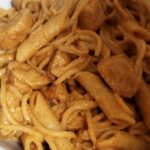
Apart from Male, there are also street food markets in other islands, especially in tourist hotspots. For example, in Maafushi Island, there is a night market that offers a range of Maldivian and international street food, from noodles and fried rice to grilled seafood and fruit shakes. Similarly, in Hulhumale Island, there is a food court that has several stalls selling local and foreign cuisine.
Uncovering Hidden Food Gems in the Maldives
While street food markets are a great way to experience the local food scene, there are also hidden food gems in the Maldives that offer a more authentic and intimate dining experience. These hidden food gems are often family-run restaurants or cafes that serve traditional Maldivian dishes with a personal touch. Some of these restaurants are located in residential areas or on the beach, giving visitors a chance to mingle with locals and enjoy the scenery.
One example of a hidden food gem in the Maldives is the Seagull Cafe House in Maafushi Island, which is run by a local family. The cafe serves a variety of Maldivian dishes, such as mas huni (a breakfast dish made with tuna and coconut), chicken curry, and grilled fish. Another example is the Beachwood Cafe in Hulhumale Island, which offers a fusion of Maldivian and Western cuisine, using fresh and organic ingredients.
In conclusion, while the Maldives is known for its luxury resorts and pristine beaches, it also has a rich food culture that is worth exploring. From street food markets to hidden food gems, visitors can indulge in a range of flavors and experiences that reflect the diversity and hospitality of the Maldivian people.


Facebook Comments