 John Myers
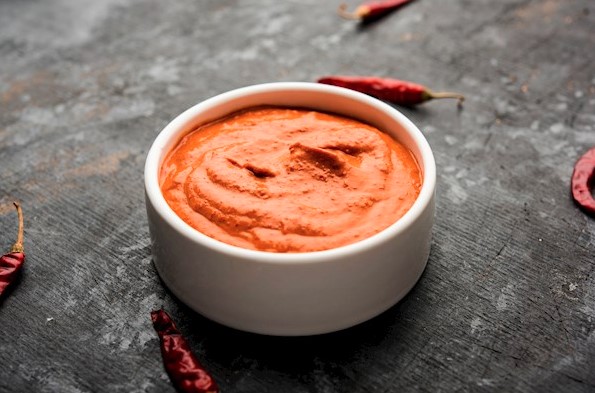
Introduction: Angola’s Culinary Scene
Angola, located on the southwestern coast of Africa, boasts of a rich and diverse culinary culture. The country has an abundance of fresh produce, seafood, and meats that the Angolan people have used to create a unique fusion of flavors and cooking techniques. Angola’s cuisine has been influenced by its Portuguese colonial past, as well as the country’s own indigenous food traditions. The result is a vibrant and exciting culinary scene that attracts food lovers from all over the world.
The Role of Condiments in Angolan Cuisine
Condiments and sauces play an essential role in Angolan cuisine. They are used to enhance the flavors of a dish and provide a balance of acidity, sweetness, and spiciness. Some condiments in Angolan cuisine are used as a dipping sauce for meats, while others are served alongside stews or soups. Condiments also vary from region to region in Angola, with each area having its unique flavor combinations and ingredients.
Piri-Piri: A Spicy Favorite in Angola
Piri-Piri is a spicy condiment that is ubiquitous in Angolan cuisine. It is made by crushing small red chili peppers, garlic, and lemon juice. The mixture is then left to marinate for several days, allowing the flavors to develop. Piri-Piri is used to add heat to grilled meat and fish, as well as to vegetables and rice dishes. It is also popular as a dipping sauce for bread or as a marinade for kebabs.
Molho de Tomate: A Classic Tomato Sauce
Molho de Tomate is a classic tomato sauce that is a staple in many Angolan homes. The sauce is made by sautéing onions and garlic in olive oil, then adding chopped tomatoes, bay leaves, and herbs. The sauce is left to simmer until it thickens and is then used as a base for stews, soups, and pasta dishes. Molho de Tomate is also served as a dipping sauce for bread or drizzled over grilled meats and vegetables.
Funjeada: The Perfect Complement to Funje
Funjeada is a creamy sauce that is served alongside the traditional Angolan staple, Funje. Funje is a smooth porridge made from cassava flour, and Funjeada is made by combining the porridge with milk or coconut milk, sugar, and sometimes vanilla essence. The result is a sweet, creamy sauce that complements the slightly sour taste of Funje. Funjeada is a popular breakfast dish in Angola and is also served as a dessert.
Conclusion: Exploring Angolan Flavors Through Condiments
In conclusion, condiments and sauces are an essential part of Angolan cuisine, adding depth and complexity to traditional dishes. Piri-Piri and Molho de Tomate are two of the most popular condiments in Angola, providing heat and sweetness, respectively. Funjeada is a unique and delicious sauce that complements the traditional Angolan porridge, Funje. Exploring the flavors of Angolan cuisine through condiments is an excellent way to experience the country’s culinary culture.


Facebook Comments