 John Myers
Introduction: Croatian Street Food in Regional Context
Croatian cuisine is well known for its rich variety and flavourful dishes. From fresh seafood to cured meats, there is something for everyone in the country’s culinary landscape. However, when it comes to street food, there are several regional variations that make each area unique. To truly experience the diversity of Croatian street food, it is essential to explore the different regions and their local specialities.
Regional Variations in Croatian Street Food
One of the most notable regional variations in Croatian street food is found in the northern province of Zagorje. Here, traditional dishes such as “strukli” (pastry filled with cottage cheese) and “mlinci” (thin flatbread) are staple street foods. These dishes are often paired with roasted meats or stews and are a favourite amongst locals and tourists alike.
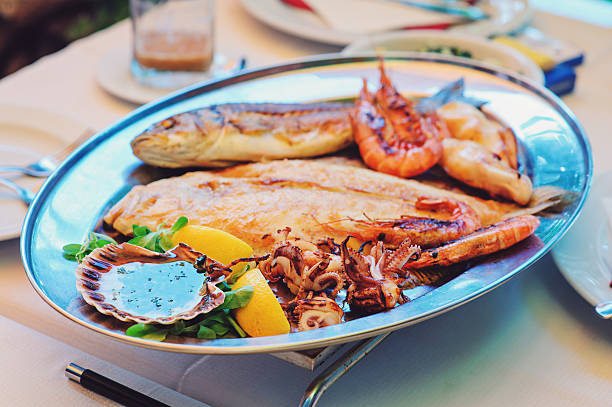
In contrast, the coastal region of Dalmatia is famous for its fresh seafood and Mediterranean flavours. Grilled sardines and octopus are popular street foods, often served with a side of “blitva” (Swiss chard) or “krumpir na leso” (boiled potatoes with olive oil and parsley). The use of olive oil, garlic, and herbs is prevalent in Dalmatian street food, giving it a distinct taste and aroma.
Finally, the eastern region of Slavonia is renowned for its hearty meat dishes and rustic flavours. “Kulen” (cured pork sausage) and “cevapcici” (grilled minced meat) are popular street foods in this region, often served with “ajvar” (red pepper spread) and “kajmak” (clotted cream). Slavonian street food is characterised by its use of smoked meats and strong spices, giving it a robust and savoury taste.
Key Differences in Ingredients, Cooking Methods, and Influences
The differences in Croatian street food go beyond just the types of dishes served. The ingredients, cooking methods, and cultural influences also vary from region to region. For example, Dalmatian street food is heavily influenced by Mediterranean cuisine, with an emphasis on seafood and fresh herbs. In contrast, Slavonian street food is more heavily influenced by Eastern European cuisine, with a focus on hearty meats and smoked flavours.
Additionally, the cooking methods used for each type of street food vary depending on the region. Grilling is a popular way to cook street food in Dalmatia, while Slavonian dishes are often slow-cooked or smoked. The use of traditional cooking techniques passed down through generations is prevalent in Croatian street food, adding to its authenticity and flavour.
In conclusion, Croatian street food is a reflection of the country’s diverse regions and cultural influences. From the hearty meats of Slavonia to the fresh seafood of Dalmatia, each region has its unique specialities that are a must-try for any foodie. Exploring the regional variations in Croatian street food is a delicious way to experience the rich and diverse culinary culture of this beautiful country.



Facebook Comments