 John Myers
Introduction: Danish street food and its popularity
Street food has become increasingly popular worldwide, and Denmark is no exception. Danish street food is known for its delicious and diverse options, ranging from traditional hot dogs and burgers to more exotic dishes from around the world. Street food vendors can be found in almost every city and town in Denmark, and the popularity of this cuisine continues to grow.
Danish street food has become an important part of the country’s food culture, attracting locals and tourists alike. It offers a convenient and affordable way to taste a variety of different dishes from different regions of the world. With so many vendors and food options, it is not surprising that there are regional variations in Danish street food.
Regional variations in Danish street food
Just like any other country, Denmark has regional variations in its street food. Depending on the location, street food vendors offer different types of dishes, reflecting the local cuisine and traditions. While some dishes are popular all over the country, others are only found in specific regions.
The regional variations in Danish street food offer a unique and exciting way to explore the country’s food culture. Each region has its own signature dishes and flavors, making it a perfect opportunity to try something new and different. Whether you are a local or a tourist, exploring the different street food regions of Denmark is a must-do culinary adventure.
A closer look at the different Danish street food regions
The street food scene in Copenhagen is the most diverse and cosmopolitan in the country. Here, you can find an array of international cuisines, including Mexican, Chinese, Korean, and African. Some popular street food dishes in Copenhagen include smørrebrød (open-faced sandwiches), falafel, and the famous Danish hot dog.
In Aarhus, the second-largest city in Denmark, you’ll find a mix of traditional Danish street food and international cuisine. Local specialties include frikadeller (meatballs), pølsehorn (sausage rolls), and æbleskiver (Danish pancakes). Aarhus is also known for its seafood, especially fish and chips.
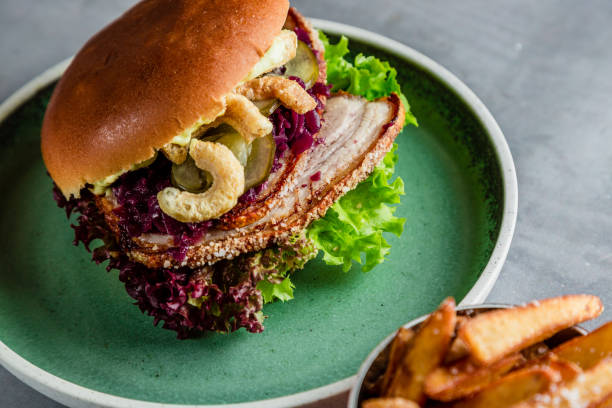
In the western part of Denmark, street food vendors emphasize local ingredients and traditional Danish dishes. Here, you can find specialties like flæskesteg (roast pork), medisterpølse (sausage), and rugbrød (rye bread). The street food scene in this region reflects the rural and coastal traditions of Western Denmark.
Conclusion:
There is no doubt that Danish street food has something to offer for everyone. From traditional Danish dishes to international cuisine, there is a wide range of options to choose from. The regional variations in Danish street food reflect the diversity of the country’s food culture, making it a perfect opportunity to explore and taste the different flavors of Denmark.



Facebook Comments