 John Myers
Introduction: Nigerian Cuisine
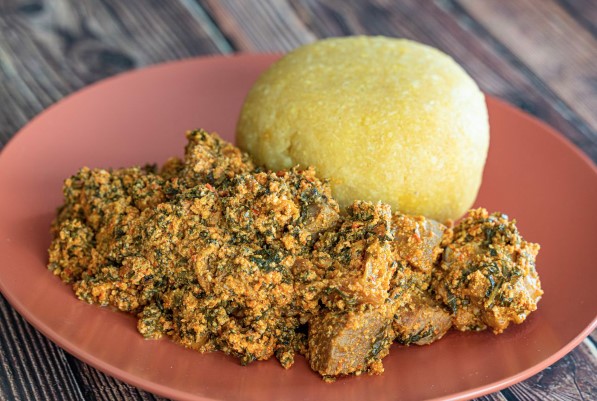
Nigerian cuisine is a blend of various influences, including indigenous, European, and Asian cultures. The cuisine is known for its bold flavors, use of herbs and spices, and diverse ingredients. Nigerian cuisine varies significantly by region, and each region has its unique taste, culinary style, and ingredients. This article will explore the regional variations in Nigerian cuisine.
North Nigerian Cuisine
The cuisine of northern Nigeria is predominantly influenced by Islamic and Arabic culture. The northern cuisine is renowned for its use of spices like cumin, ginger, cloves, and cinnamon. The staple of northern Nigerian cuisine is tuwo, which is a dough-like food made from maize, millet, or sorghum. Tuwo is typically served with soups made with vegetables, meat, or fish. Another popular northern Nigerian dish is suya, which is skewered and grilled meat seasoned with a blend of spices. The northern Nigerian cuisine is relatively less spicy than the southern cuisine.
South Nigerian Cuisine
The cuisine of southern Nigeria is known for its fiery and bold flavors. The southern Nigerian cuisine is predominantly influenced by the Yoruba, Igbo, and Edo cultures. The staple of southern Nigerian cuisine is fufu, which is a dough-like food made from cassava, yam, or plantain. Fufu is typically served with soups made with vegetables, meat, or fish. The southern Nigerian cuisine is known for its extensive use of chili peppers, bitter leaf, and ugu leaf (pumpkin leaves), which add a distinct flavor to the dishes. Some of the popular southern Nigerian dishes include jollof rice, egusi soup, and pepper soup.
East Nigerian Cuisine
The cuisine of eastern Nigeria is predominantly influenced by the Igbo culture. The eastern Nigerian cuisine is known for its unique blend of flavors and ingredients. The staple of eastern Nigerian cuisine is garri, which is a dough-like food made from cassava. Garri is typically served with soups made with vegetables, meat, or fish. The eastern Nigerian cuisine is known for its extensive use of spices like utazi, uda, and ehuru, which add a distinct flavor to the dishes. Some of the popular eastern Nigerian dishes include oha soup, nsala soup, and ofe akwu.
West Nigerian Cuisine
The cuisine of western Nigeria is known for its unique blend of flavors and ingredients. The western Nigerian cuisine is predominantly influenced by the Yoruba culture. The staple of western Nigerian cuisine is amala, which is a dough-like food made from yam or cassava. Amala is typically served with soups made with vegetables, meat, or fish. The western Nigerian cuisine is known for its extensive use of spices like ewe ejirin, ata rodo, and iru, which add a distinct flavor to the dishes. Some of the popular western Nigerian dishes include efo riro, gbegiri soup, and ewedu soup.
Conclusion: Nigerian Cuisine Variations
In conclusion, Nigerian cuisine varies significantly by region, and each region has its unique taste, culinary style, and ingredients. Whether you prefer the bold and fiery flavors of southern Nigerian cuisine or the milder and spiced flavors of northern Nigerian cuisine, there is always something for everyone in Nigerian cuisine. Nigerian cuisine’s diverse range of flavors and ingredients is what makes it one of the most exciting and delicious cuisines in the world.


Facebook Comments