 John Myers
Introduction: Understanding Afghan Culture and Cuisine
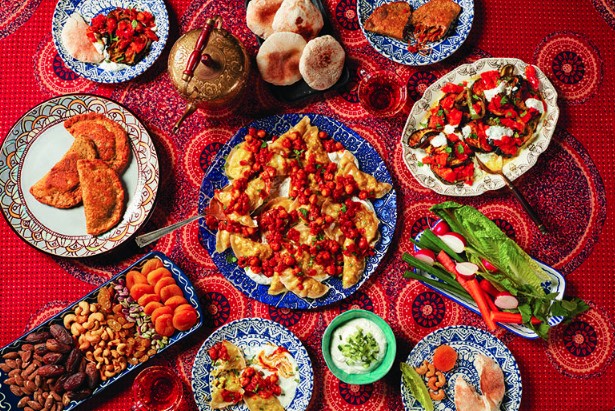
Afghanistan is a country located in South Asia, and its cuisine is influenced by its geographic location and cultural heritage. Afghan cuisine is known for its rich flavors and aromatic spices. Afghan food is largely based on meat and rice, but it also includes vegetables, fruits, and dairy products. Traditional Afghan cuisine is served with bread, and tea is a staple beverage in Afghan households.
The Role of Religion in Afghan Food Restrictions
Islam is the predominant religion in Afghanistan, and it has a significant impact on the food culture. Muslims follow several dietary laws that forbid the consumption of certain foods. For example, pork and alcohol are considered haram (forbidden) in Islam, and Muslims are not allowed to eat or drink them. Additionally, meat that is not halal (slaughtered in accordance with Islamic law) is also prohibited. These restrictions are followed by most Afghans, but non-Muslims are exempted from them.
Meat and Dairy Taboos in Afghan Cuisine
Afghanistan is a predominantly agrarian society, and animal husbandry is an essential part of the economy. However, there are several meat and dairy taboos in Afghan cuisine that vary by region and tribe. For instance, some communities do not eat beef, while others avoid goat or lamb. Moreover, dairy products like cheese and yogurt are popular in Afghan cuisine, but some people refrain from consuming them due to dietary restrictions.
Food Restrictions During Ramadan and Other Festivals
Ramadan is a holy month in Islam, during which Muslims fast from dawn to sunset. It is a time of spiritual reflection and self-discipline. Muslims break their fast with iftar (evening meal), which typically includes dates, water, and other light snacks. During Ramadan, there are several food restrictions, including refraining from eating and drinking during daylight hours. Other festivals, such as Eid al-Fitr and Eid al-Adha, have their own food traditions and restrictions.
The Impact of Regional and Tribal Customs on Afghan Cuisine
Afghanistan is a culturally diverse country, and its cuisine varies by region and tribe. Some regions have a more significant influence on Afghan cuisine than others. For example, the northern part of Afghanistan has a more prominent Uzbek influence, while the eastern part has a more significant Pashtun influence. These influences are reflected in the local cuisine, which includes regional specialties and flavors.
Adapting to Afghan Food Taboos When Traveling or Living in Afghanistan
If you are traveling or living in Afghanistan, it is essential to be aware of the country’s food taboos and restrictions. While many Afghans are hospitable and will offer you food and drink, it is important to be respectful of their dietary customs. If you have any dietary restrictions, it is best to inform your hosts in advance. Additionally, it is advisable to avoid consuming food and drinks from street vendors, as they may not adhere to hygienic standards. Overall, by being mindful of Afghan food taboos, you can have a pleasant and enjoyable dining experience in the country.


Facebook Comments