 John Myers
Introduction: Mozambique’s Food Culture
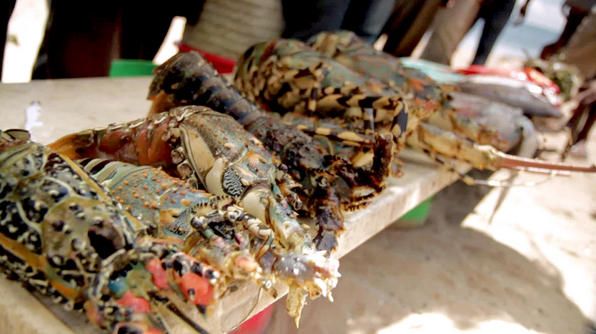
Mozambique is a coastal country located in Southern Africa that has a rich and diverse food culture. The cuisine in Mozambique is heavily influenced by the Portuguese, who colonized the country for over 400 years, and the indigenous tribes such as the Makua, Sena and Yao people. The staple food in Mozambique is maize, which is traditionally served in the form of a porridge called xima, accompanied by stew or grilled meat. However, there are also various seafood dishes that are popular due to the country’s long coastline.
Religious and Cultural Food Restrictions
Mozambique is a predominantly Christian country, with Roman Catholicism being the largest denomination. There are also significant Muslim and indigenous religious communities. Both Muslim and Christian communities have food restrictions. Muslims follow the halal dietary laws, which prohibit the consumption of pork and alcohol, and require animals to be slaughtered in a specific way. On the other hand, Christians are prohibited from eating meat on certain days, especially during Lent and Advent.
Taboos for Muslim and Christian Communities
In addition to food restrictions, there are also taboos in Mozambique for both Muslim and Christian communities. Muslims are prohibited from eating during the daylight hours of Ramadan, which is a month-long fasting period. There are also certain foods that are believed to cause impurity in both communities, such as dog meat and blood. For Christians, there are certain occasions, such as funerals, where it is believed that certain foods, such as chicken, should not be consumed.
Food Restrictions for Pregnant and Nursing Women
Pregnant and nursing women in Mozambique are also subject to food restrictions. During pregnancy, women are advised to avoid certain foods such as raw or undercooked meat, fish, and eggs, as well as unpasteurized dairy products. This is to reduce the risk of foodborne illnesses. During breastfeeding, women are advised to continue avoiding certain foods, such as alcohol and caffeine, as these can be passed on to the baby through breastmilk.
Common Dietary Practices in Mozambique
Apart from food restrictions and taboos, there are several common dietary practices in Mozambique. There is a strong emphasis on communal eating and sharing of food, which fosters a sense of community and togetherness. In rural areas, a lot of people rely on subsistence farming and therefore consume a lot of locally grown vegetables and fruits. Seafood, particularly prawns, crayfish and crabs, is also a popular dish along the coast.
Conclusion: Understanding Mozambique’s Food Culture
Mozambique’s food culture is a reflection of its diverse cultural and religious heritage. There are several food restrictions and taboos that are observed by different communities, which are deeply rooted in their religious and cultural beliefs. Additionally, there are common dietary practices that reflect the country’s reliance on farming and fishing. Understanding these practices is important in appreciating Mozambique’s rich and diverse food culture.


Facebook Comments