 John Myers

Introduction: Traditional Tanzanian bread and pastry
Tanzanian cuisine is heavily influenced by its East African and Indian Ocean neighbors, resulting in a diverse range of dishes and flavors. One aspect of Tanzanian food that is often overlooked is its traditional bread and pastry options. These baked goods provide a unique and delicious way to experience the local culture and cuisine.
Ugali: The staple food of Tanzania
Ugali is a simple but essential component of Tanzanian cuisine. It is made by mixing cornmeal with water and cooking it until it becomes a thick, dough-like consistency. Ugali is typically served as a side dish to accompany meat, vegetables, or stews. It is also common to eat Ugali with your hands, using it to scoop up the other dishes.
Mandazi: The Tanzanian version of doughnuts
Mandazi is a popular snack throughout Tanzania, often sold by street vendors. These fried doughnuts are made from a mixture of flour, sugar, coconut milk, and spices. They are typically eaten for breakfast or as a dessert and can be enjoyed on their own or with a cup of chai tea.
Chapati: The flatbread from the Swahili coast
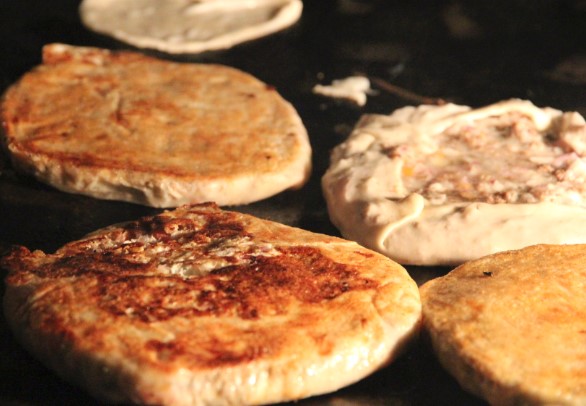
Chapati is a type of flatbread that has its origins in India but has become a staple in Tanzania, especially along the Swahili coast. It is made from a mixture of wheat flour, water, and salt and is cooked on a hot griddle. Chapati is often served with meat or vegetable dishes, and it is also common to use it as a wrap for sandwiches or to scoop up stews.
Mahamri: The sweet coconut bread from Zanzibar
Mahamri is a sweet bread that is popular on the island of Zanzibar. It is made from a mixture of flour, coconut milk, sugar, and spices such as cardamom and cinnamon. The dough is then shaped into triangles and deep-fried until golden brown. Mahamri is typically served with tea or coffee and is a popular breakfast or snack item.
Kaimati: The deep-fried sweet dumplings from the Swahili coast
Kaimati is a deep-fried sweet treat that is popular along the Swahili coast. It is made from a mixture of flour, sugar, yeast, and coconut milk. The dough is shaped into small balls and deep-fried until golden brown. Kaimati is typically served as a dessert or snack and is often sprinkled with sugar or drizzled with honey.

Facebook Comments