 John Myers
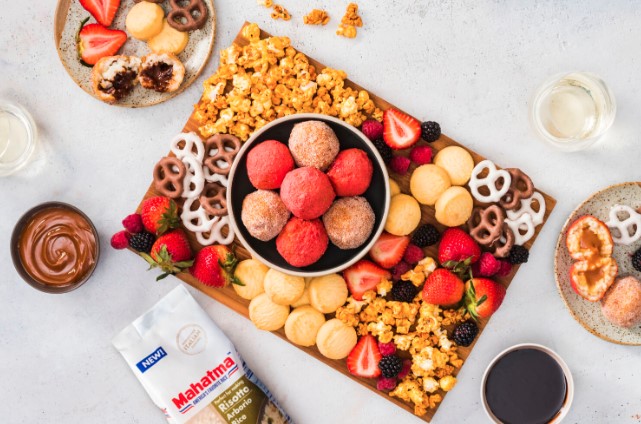
Introduction: traditional desserts and local ingredients
Desserts are the sweet ending to a meal and often represent the cultural identity of a place. Traditional desserts are those recipes that are passed down from generation to generation and are linked to the history and heritage of a region. Local ingredients, on the other hand, are those that are grown or produced in a particular area and are an essential part of that cuisine. Combining traditional desserts and local ingredients is a great way to preserve the cultural heritage of a place and to showcase the diversity of ingredients that are available.
Local ingredients in traditional desserts worldwide
The use of local ingredients in traditional desserts is a common practice worldwide. In Latin America, for example, sweet potatoes, plantains, and coconut are used to make popular desserts like dulce de batata, maduros con queso, and cocadas. In Africa, yams, cassava, and millet are used to make sweet dishes like fufu, moin moin, and millet pudding. In the Middle East, dates, almonds, and pistachios are used to make sweet treats like halva, baklava, and ma’amoul.
Exploring traditional desserts in different regions
Each region has its own set of local ingredients that are used to make traditional desserts. For example, in South Asia, rice, coconut, and jaggery are used to make desserts like payasam, laddu, and halwa. In Southeast Asia, pandan leaves, palm sugar, and coconut milk are used to make desserts like kueh, onde onde, and cendol. In North America, indigenous ingredients like maple syrup and pecans are used to make desserts like pecan pie and maple syrup taffy.
Traditional desserts made with local ingredients in Asia
Asia is a continent with diverse cuisines and a plethora of local ingredients. In India, besan, jaggery, and ghee are used to make traditional desserts like ladoo and mysore pak. In Japan, matcha, red bean paste, and mochi are used to make desserts like matcha ice cream and daifuku. In Thailand, mango, sticky rice, and coconut milk are used to make desserts like mango sticky rice. In China, red bean paste, sesame, and glutinous rice are used to make desserts like tang yuan and sesame balls.
Traditional desserts made with local ingredients in Europe
Europe has a rich culinary heritage, and local ingredients play a significant role in traditional desserts. In Italy, almonds, citrus fruits, and ricotta cheese are used to make desserts like cannoli and cassata. In France, apples, butter, and cream are used to make desserts like tarte tatin and crème brûlée. In Greece, phyllo dough, honey, and nuts are used to make desserts like baklava and kataifi.
Conclusion: preserving traditional desserts with local ingredients
Traditional desserts made with local ingredients are an essential part of a region’s culinary heritage. They not only reflect the cultural identity of a place but also showcase the diversity of ingredients that are available. By preserving traditional desserts with local ingredients, we can keep the culinary heritage alive and support local farmers and producers. So, let’s celebrate the sweet traditions of our regions and explore the world of desserts made with local ingredients.



Facebook Comments