 John Myers

Introduction: Fermented Foods in Mauritanian Cuisine
Fermented foods have been a part of various cuisines for centuries. Rich in probiotics, fermented foods have been gaining popularity in recent years due to their numerous health benefits. Fermented foods are also a crucial component of Mauritanian cuisine. Mauritania is a country located in West Africa with a diverse culinary culture. The Mauritanian cuisine is a unique blend of traditional African and Arab-Islamic influences. In this article, we will explore the history, ingredients, preparation methods, health benefits, and popular fermented foods in Mauritanian cuisine.
History of Traditional Fermented Foods in Mauritania
Fermented foods have been a part of Mauritanian cuisine for centuries. Nomadic tribes in Mauritania used traditional fermentation methods to preserve foods during the hot and arid seasons. Fermented foods were also a staple for the slaves and the poor, as the preservation technique allowed them to store food for longer periods. The traditional fermentation methods in Mauritania involved the use of salt, water, and natural bacteria present in the environment. The fermentation process was carried out in clay jars, which were buried underground or kept in cool places.
Ingredients and Preparation Methods of Fermented Foods
The traditional fermented foods in Mauritania are mainly made from milk, grains, and vegetables. Milk is used to make fermented dairy products like yoghurt, buttermilk, and milk curd. These dairy products are then used in traditional dishes like Thiere, a popular Mauritanian dish made from rice, vegetables, and spiced meat. Grains like millet, sorghum, and couscous are also fermented to make a sourdough-like starter, which is used to make bread and porridge. Vegetables like cabbage, carrots, and turnips are preserved by lacto-fermentation, which involves the use of salt and water to preserve the vegetables and create a sour taste.
Health Benefits of Fermented Foods
Fermented foods are known for their numerous health benefits. The fermentation process creates probiotics, which are beneficial bacteria that promote gut health. Fermented foods also contain vitamins, minerals, and antioxidants that boost the immune system. The fermentation process also breaks down complex carbohydrates and proteins, making them easier to digest. Fermented foods are also known to reduce the risk of certain chronic diseases like type 2 diabetes, heart disease, and obesity.
Popular Mauritanian Fermented Foods and Their Recipes
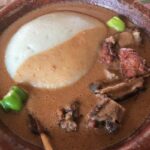
Thiere is a popular Mauritanian dish made from fermented yoghurt and rice. To make Thiere, cook rice in a pot with water until tender. In a separate pot, heat yoghurt with spices like cumin, paprika, and garlic. Add the cooked rice to the yoghurt mixture and simmer for 30 minutes. Serve hot with spiced meat and vegetables.
Another popular Mauritanian fermented food is Achar, a spicy pickle made with vegetables like carrots, turnips, and cabbage. To make Achar, chop the vegetables into small pieces and mix them with salt and spices like chili powder, cumin, and mustard seeds. Place the mixture in a jar and cover with water. Let it ferment for a week and enjoy the tangy, spicy flavor.
Conclusion: The Role of Fermented Foods in Mauritanian Culture
Fermented foods are an integral part of Mauritanian culture. The traditional fermentation methods used in Mauritania have been passed down for generations and are still used today. Fermented foods are not only delicious but also provide numerous health benefits. From Thiere to Achar, fermented foods continue to play a crucial role in Mauritanian cuisine.


Facebook Comments