 John Myers
Introduction: Zimbabwean Cuisine
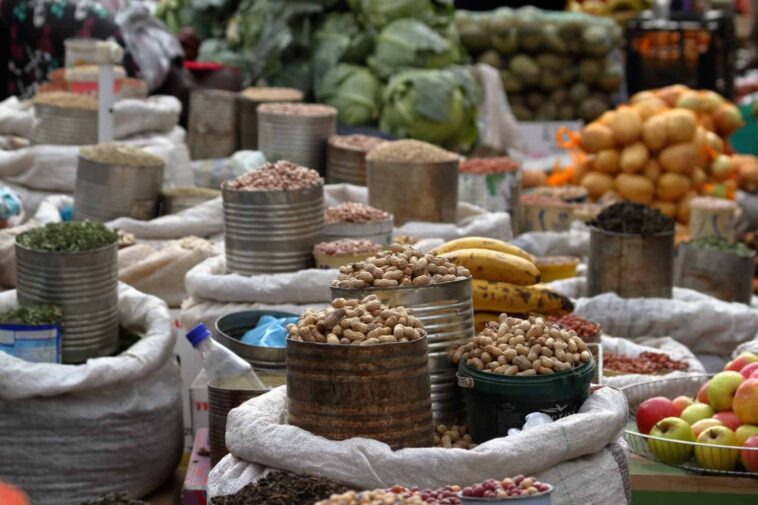
Zimbabwean cuisine is a reflection of the country’s cultural diversity, influenced by indigenous traditions, colonialism, and globalisation. It is characterised by a variety of flavours and ingredients, including grains, vegetables, meats, and spices. The cuisine is often cooked slowly, using traditional methods and utensils, and served in large portions to be shared with family and friends.
The Influence of Geography on Zimbabwean Cuisine
Geography has a significant influence on Zimbabwean cuisine, with the country’s diverse climate and topography affecting the availability of ingredients and cooking methods. In regions with fertile soils, such as the Eastern Highlands, crops like maize, beans, and sweet potatoes are commonly grown and used in dishes like sadza, a staple cornmeal porridge eaten with relishes like meat, vegetables, or sauces. In contrast, regions with hot and dry climates, such as the Matabeleland provinces, rely more on meat and dairy products, including beef, goat, and sour milk.
The North and South Divide in Zimbabwean Cuisine
Zimbabwe is also divided by a North-South culinary divide, with regional differences in ingredients, spices, and cooking methods. In the North, dishes like mutakura, a pumpkin leaf stew, and game meats like warthog and buffalo are popular. In the South, dishes like mazondo, a tripe stew, and dried fish are more common. The North tends to use more chillies and spices, while the South favours milder flavours.
The Impact of Migration on Zimbabwean Cuisine
Migration and trade have also influenced Zimbabwean cuisine, with dishes and ingredients from neighbouring countries like South Africa, Mozambique, and Zambia becoming integrated into local cuisine. This has resulted in new dishes such as chakalaka, a vegetable relish, and shisa nyama, a barbecue-style meat dish.
Traditional Foods and Recipes in Different Regions
Each region of Zimbabwe has its own traditional foods and recipes, passed down through generations. In the Eastern Highlands, dishes like matemba, a smoked fish, and madora, fried mopane worms, are popular. In the Midlands, dishes like muboora, a pumpkin leaf and peanut butter stew, and maputi, roasted corn kernels, are common. The Northern regions also have their traditional dishes, such as nyama ne moyo, beef and offal stew, and bota, a fried doughnut.
Conclusion: The Diversity of Zimbabwean Cuisine
In conclusion, Zimbabwean cuisine is diverse and influenced by various factors, including geography, history, and cultural traditions. Each region has its unique dishes and ingredients, making it a fascinating culinary destination. As the country continues to evolve, so does its cuisine, with new flavours and dishes emerging all the time.


Facebook Comments